Traffic Light Mechanism Adjustments: Prioritizing Vulnerable Groups
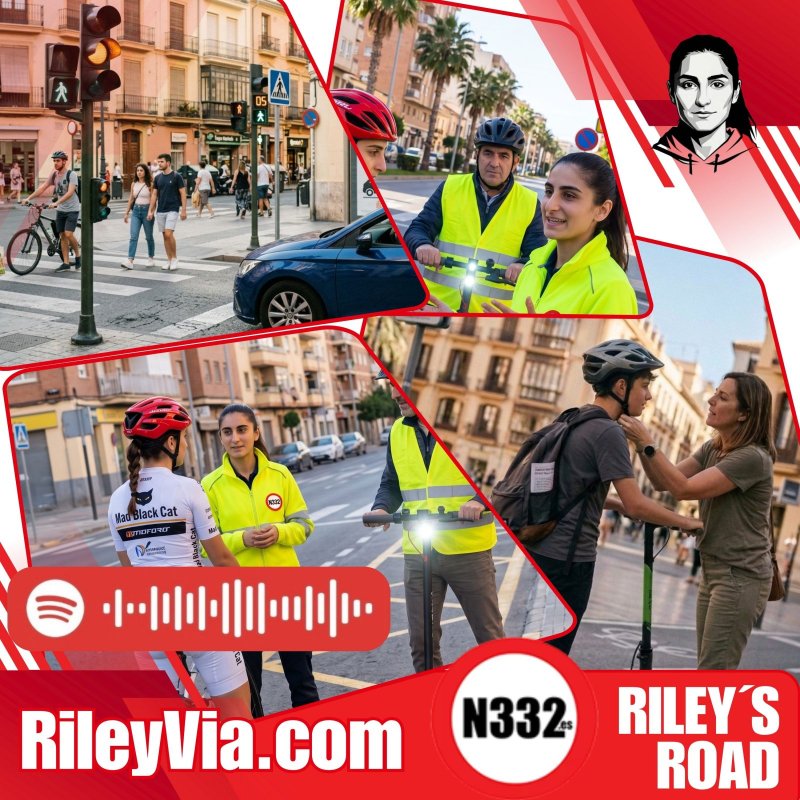
Under Spain’s newly revised General Traffic Regulations, effective October 1, a major update will be rolled out to pedestrian crossing signal systems nationwide. The dangerous previous setup, where a flashing yellow light for vehicles coincided with a green light for pedestrians, will be completely abolished. The new regulations mandate a steady red light for vehicles before transitioning to a flashing yellow phase. This mandatory red light period is designed to provide pedestrians with an absolutely safe window to cross the street, significantly reducing the risk of vehicle-pedestrian collisions and ensuring the safety of vulnerable road users, including pedestrians, cyclists, moped riders, and users of personal mobility vehicles (such as electric scooters).
First Legal Standards for Urban Motorhome Parking
Regarding urban road management, the updated regulations fill a previous legal void in recreational vehicle management by introducing specific parking standards for motorhomes for the first time. According to the new rules, motorhomes parked on public city streets must strictly adhere to vehicle perimeter limits; no windows, awnings, or slide-out extensions may protrude beyond the vehicle’s original exterior dimensions. Furthermore, the law explicitly states that vehicles must rest entirely on their own tires while parked, and it strictly prohibits discharging any wastewater or fluids from the cabin onto the street during the stay.
Establishing the Legal Status of Safe School Routes
Additionally, to enhance the daily commuting safety of minors, this traffic law reform officially incorporates the concept of “safe school routes” into the scope of national legal protection, granting it a clear statutory status. This provision authorizes and requires local authorities at all levels to actively optimize and remodel road networks around schools. By improving traffic infrastructure and providing a safer walking environment, the government aims to encourage and guide school-age children to travel to and from school using eco-friendly and safe methods, such as walking, taking public transit, or using non-motorized vehicles.
