Recently, the regional government of Madrid announced it is preparing the region’s first vacant housing map. This initiative aims to guide long-idle private properties back into the rental market through a series of incentive policies, complementing large-scale affordable housing construction and neighborhood renovation plans to comprehensively address local housing supply pressures.
Developing the Vacant Housing Map and Landlord Incentive Mechanisms
According to the comprehensive housing plan announced in September by the President of the Community of Madrid, Isabel Díaz Ayuso, local governments are coordinating data with municipalities to identify and register long-term vacant homes. Notably, this plan adopts a non-coercive strategy, avoiding punitive measures against owners. For landlords who voluntarily participate in the program, relevant departments will provide rent collection guarantees, free default insurance, post-contract property damage repair insurance, and full-cycle free public legal assistance. In exchange, participating owners must set affordable rents, and priority for these properties must be given to young people under 35 and ordinary working families. The system is currently in the technical preparation stage and is expected to complete the housing registry and open application channels in the coming months.
Launching 3,100 Affordable Rental Housing Units
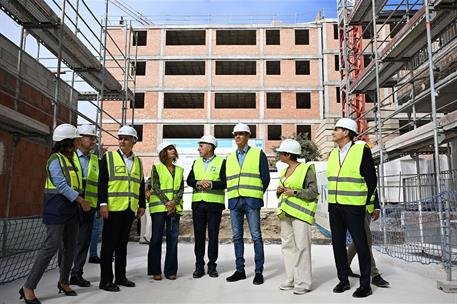
While revitalizing existing properties, the Community of Madrid plans to introduce over 3,100 newly built affordable rental housing units to the market. The significant advantage of these homes is their low cost, with rents up to 30% lower than equivalent market prices. Applicants must meet specific criteria, including being registered residents or having stable employment in the Community of Madrid, committing to using the property as their primary residence, and meeting household total income limits, typically required to be between 3.5 and 5.5 times the Public Multiple Effects Income Indicator (IPREM).
Allocating 450 Million Euros to Advance Old Neighborhood Renovations
To upgrade existing older buildings, the government announced the establishment of the “Madrid Housing Renovation Plan” with a total budget of 450 million euros. This dedicated fund will focus on comprehensive structural neighborhood makeovers and improving building energy efficiency. Within this budget, approximately 33 million euros will be allocated as special funding specifically addressing accessibility issues in old residences, helping buildings lacking barrier-free facilities install elevators, thereby effectively improving living conditions for the elderly and residents with reduced mobility.
Expanding Housing Supply for Young Healthcare Workers and Society Overall
To secure the housing needs of public service personnel, Madrid authorities have specially launched the “VIVE Sanitario” program. The first phase of this project is located around the Infanta Sofía Hospital in San Sebastián de los Reyes, reserving 120 low-rent homes exclusively for young healthcare workers under 35. Furthermore, according to the latest statistics, the broader implementation of Madrid’s “Plan VIVE” has delivered over 6,400 homes to date, 75% of which have been allocated to the youth demographic. Under the government’s long-term plan, the current term will drive the construction of up to 70,000 affordable homes and continuously release construction land capable of supporting 280,000 new homes over the next 15 years, aiming to establish a stable and long-term housing supply system.
