Recent fuel prices in Spain have continued to climb, with the cost of filling up a standard car exceeding 100 euros. Caught in the double bind of international geopolitical impacts and the impending expiration of fuel tax cuts, highly diesel-dependent sectors in Spain, such as transport and agriculture, are facing a severe operational crisis.
Fuel Prices Continue to Climb, Filling a Tank Exceeds 100 Euros
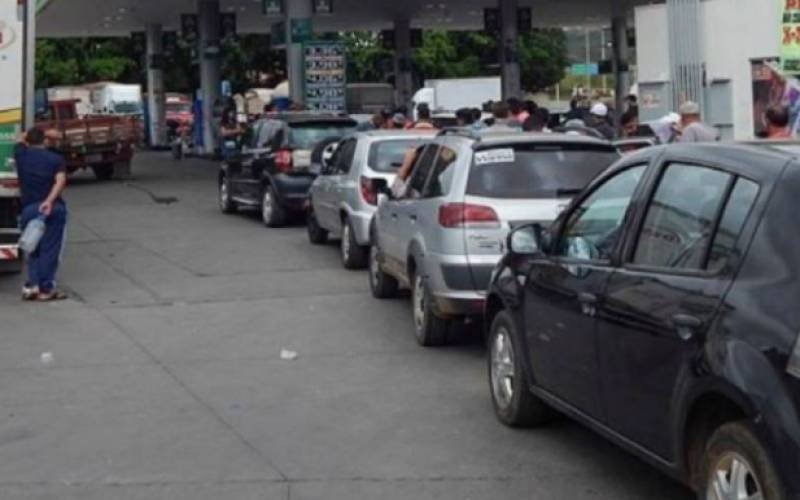
According to the latest data from the EU Weekly Oil Bulletin, the average price of gasoline in Spain has reached 1.866 euros per liter this week, up 2.88% month-on-month, while diesel prices rose by 2.17% over the same period. Driven by the geopolitical situation in the Middle East and tight supply in the international crude oil market, fuel costs are rising. Currently, the cost of filling a standard 55-liter car tank has steadily surpassed the 100-euro mark, significantly increasing daily expenses for regular consumers and businesses.
Fuel Subsidies Nearing Expiration, Transport Sector Brews Strikes
Uncertainty at the policy level is further exacerbating industry panic. Spain’s current fuel tax relief measures are scheduled to officially end on September 30, and the Spanish government has not yet confirmed whether the subsidy will be extended.
The Spanish Confederation of Freight Transport (CETM) has warned that if existing subsidies are canceled, a secondary surge in diesel prices will directly crush many professional transport companies and self-employed drivers. Another major industry association, Fenadismer, has officially requested an urgent consultation meeting with Spanish Economy Minister Carlos Cuerpo. The organization emphasized that if the two sides fail to reach a consensus on a new aid package, the national transport industry is highly likely to take widespread strike action and mobilize protests.
Agricultural Production Costs Surge, Multiple Regions Plan Protests
Impacted by soaring oil prices, the Spanish agricultural sector is also in a predicament. Core agricultural organizations such as the Young Farmers’ Association (Asaja), the Coordinator of Farmers’ and Ranchers’ Organizations (COAG), and the Union of Small Farmers (UPA) point out that the simultaneous rise in the prices of basic production materials like diesel and fertilizers is severely squeezing farmers’ profit margins.
Currently, the cost of filling the tank of a standard heavy tractor is as high as approximately 600 euros. Given that most agricultural machinery relies absolutely on diesel, any minor increase in fuel costs will exponentially translate into higher production costs for agricultural products. Consequently, relevant agricultural operators have begun planning rallies and protests in several major regions of Spain.
High Dependence on Diesel, Economic Operation Faces Tests
Statistics from the Spanish Association of Automobile and Truck Manufacturers (Anfac) highlight the deep dependence of the country’s economy on diesel. Currently, about 60% of passenger cars and over 80% of light commercial vehicles and buses in Spain are still powered by diesel, involving a total of more than 18 million vehicles.
With the approaching policy watershed at the end of September and expectations of bullish international oil prices, transportation and logistics costs across Spanish society may face a new round of shocks. Industry organizations are strongly urging that if the government fails to introduce effective intervention and support policies in a timely manner, some companies may be forced to scale down operations or even face the risk of closure.
