Fresh off their 2026 World Cup victory, the Spanish national team has swiftly outlined its blueprint for the future. The long-term contract extension for head coach Luis de la Fuente, combined with the promotion of young talent, marks the beginning of a new era for “La Furia Roja.”
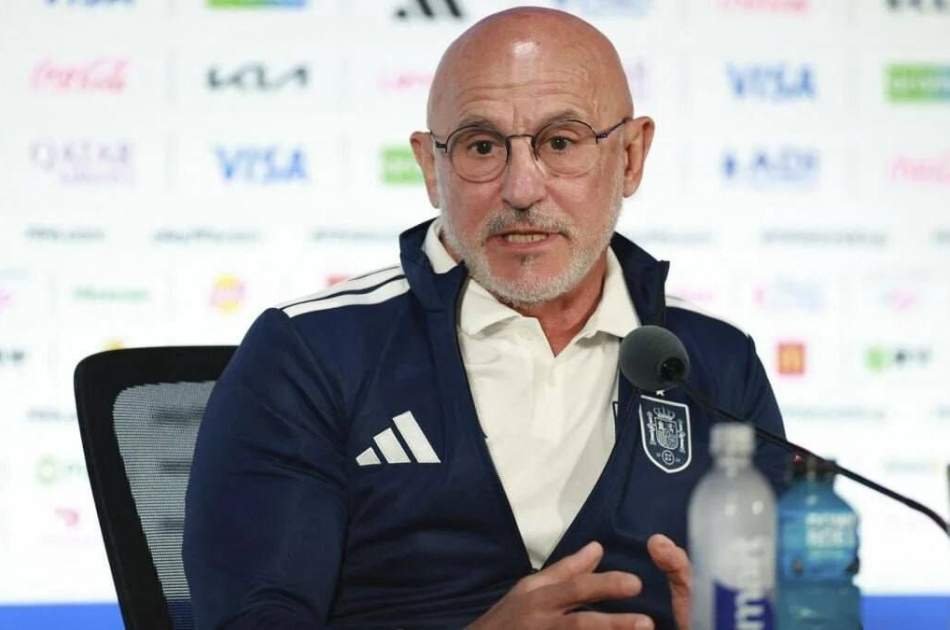
Decorated Coach’s Contract Extended, Securing the Future
According to an official announcement from the Royal Spanish Football Federation’s (RFEF) board on September 21, 2026, the organization has approved a contract extension for national team head coach Luis de la Fuente until 2032. This decision means De la Fuente will remain at the helm for the next three major tournaments: the 2028 UEFA European Championship, the 2030 FIFA World Cup, and the 2032 UEFA European Championship. The move is seen as the ultimate endorsement of his past achievements, having led the team to consecutive victories in the 2023 Nations League, the 2024 Euros, and the 2026 World Cup, returning Spain to the pinnacle of world football. The Federation’s long-term commitment also ensures continuity in the team’s tactical system and development strategy.
Unexpected Squad Change Gives Fresneda Debut Opportunity
While the coaching staff remains stable, an unplanned change has occurred in the player roster. Tottenham Hotspur defender Pedro Porro, originally named in the squad for the upcoming Nations League fixtures, has been forced to withdraw due to an injury sustained while playing for his club. The RFEF subsequently announced the call-up of U21 international Iván Fresneda as his replacement. Fresneda was originally scheduled to train with the U21 squad, coached by David Gordo, but this unexpected promotion gives him his first opportunity with the senior national team. He is set to report to the national team’s training facility in Las Rozas on September 22 to prepare for the upcoming matches.
Efficient Youth System Showcases Talent Pipeline
This personnel change highlights the mature talent pathway between Spain’s various national team levels. The vacancy left by Fresneda in the U21 squad caused no disruption, as the RFEF quickly called up Ángel Ortiz from Real Betis to join the U21s. The process was seamless, as Ortiz already had experience in similar training camps. This smooth transition—from the U21s to the senior team, with the U21 spot then filled by a player from a younger age group—demonstrates the strength and depth of Spain’s football development system.
A New Cycle Begins, New Challenges Await
With the coach’s contract renewed and a new face in the squad, Spain is officially moving on from the joy of its World Cup triumph to focus on the journey ahead. The upcoming Nations League campaign will be their first test, with group stage opponents including England, Croatia, and the Czech Republic. For De la Fuente and his team, the primary task is to maintain the team’s competitiveness at the highest level. For young players like Fresneda, it is a valuable opportunity to prove themselves and a symbol that, even with its established core, Spanish football is already injecting new energy for the future.
