Fuel Prices Surge Across the Board, Exceeding €2 in Some Areas
As of September 2026, fuel prices across Spain have continued to climb, placing significant financial pressure on drivers. According to market data, the average price of Unleaded 95 gasoline has risen to nearly €1.95 per liter, just a step away from the €2 mark. Diesel prices are also at a high. Prices vary between different autonomous communities and gas stations, with the retail price for Unleaded 95 already surpassing the psychological threshold of €2/liter in some locations.
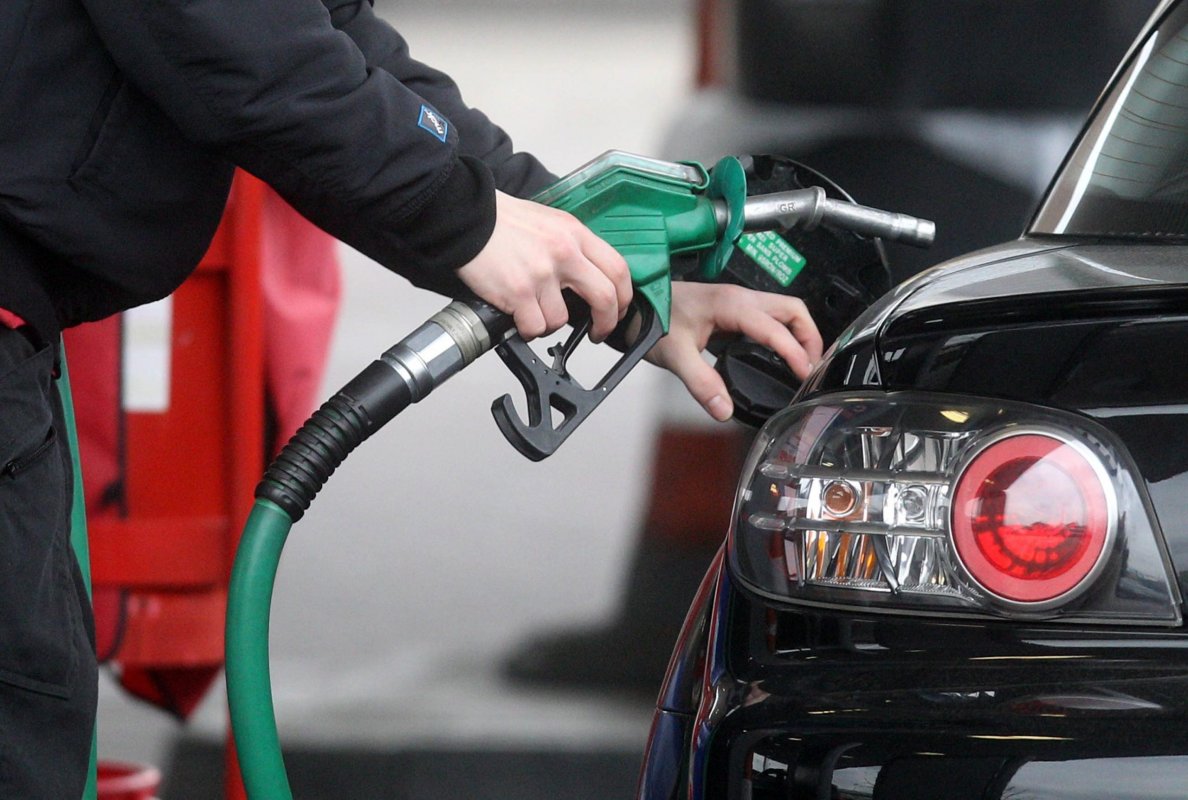
Household Travel Costs Soar, a Full Tank Nears €100
For typical households that rely on private cars for transportation, this round of price hikes translates directly into an increased cost of living. For a standard family car with a 50-liter tank, filling it up at the current price of nearly €1.95/liter costs close to €100. This is a significant increase compared to the previous common cost of €70 to €80. For families who need to commute daily, drop off children, or travel frequently, the monthly fuel expense alone can reach €200 to €300, becoming a substantial financial burden.
International Markets and Macroeconomic Factors are the Main Drivers
This recent surge in Spanish fuel prices is not an isolated event but is closely linked to complex international macroeconomic conditions. Analysts point out that volatility in international energy markets, changes in global crude oil supply, and ongoing geopolitical tensions are the primary factors driving up crude oil prices. These external pressures are ultimately passed down to the consumer, leading to price increases at gas stations across Spain.
Potential Chain Reactions and Future Outlook
Beyond directly affecting drivers, the rise in fuel prices could trigger broader economic chain reactions. In particular, the increase in diesel prices will directly push up operating costs for the logistics and transportation industry. This cost pressure may eventually be passed on to consumers, leading to price increases for some goods. Looking ahead, the future trend of fuel prices in Spain remains uncertain, depending on subsequent changes in international crude oil prices, the supply-demand situation in the overall European energy market, and whether the government will implement any intervention measures. For the majority of drivers, the feeling that “driving is getting more expensive” has shifted from a perception to a tangible financial burden.
