Geographic Distribution and Deep-Sea Harvesting Environment
The Spanish Mediterranean coast boasts a vast and complex marine culinary tradition. Among its diverse seafood, a small echinoderm measuring only a few centimeters in length (commonly known as the sea cucumber) is drawing widespread attention in the gastronomic world. This species primarily inhabits the coastal regions of Catalonia, Valencia, and the Balearic Islands. Unlike common shelled seafood, these creatures typically dwell on the seabed at depths ranging from 50 to 300 meters.
In early Spanish maritime history, this seafood held almost no commercial value. Once caught, fishermen would usually clean them quickly on the deck, using them as a cheap, humble meal to satiate their hunger during long days at sea.
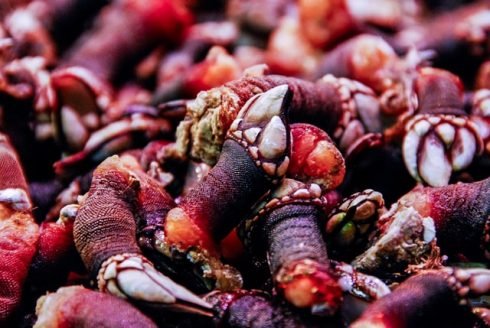
Low Meat Yield Drives Up Market Prices
In recent years, as global high-end dining seeks out unique regional ingredients, the value of this once ‘peasant seafood’ has surged. According to the latest market data, its retail price has skyrocketed to nearly 200 euros per kilogram. Behind this price explosion lies a demanding extraction process and an extremely low meat yield.
During processing, the entire animal is not edible. Processors can only extract five internal muscle fibers, which form the core edible part. This extremely low yield, combined with the difficulties of deep-sea harvesting and scarce natural production, has been catalyzed by strong international demand. Together, these factors have caused a severe supply-demand imbalance, ultimately elevating it to the ranks of luxury ingredients.
The Evolution of Traditional Flavors in Haute Cuisine
Moving from humble fishing boat decks to Michelin-starred restaurants, the preparation of this ingredient still follows the traditional principle of ‘less is more’. To maximally preserve its unique flavor and tender-crisp texture, modern chefs most commonly pan-fry it quickly at high temperatures with garlic and parsley.
Additionally, it is often used as a core ingredient to elevate dishes, incorporated into iconic Spanish recipes like traditional Valencian seafood Paella. However, constrained by high market pricing and distinctly regional supply, this seafood, born from grassroots fishing culture, has now evolved into an exclusive delicacy reserved for a select few high-end diners and gourmands.
