Twelve years ago, 64-year-old Spanish man Tomás Valleste García lost his job after going blind in one eye. He then left Girona and moved alone to settle in Solanell, an abandoned village deep in the Pyrenees. Over the past twelve years, relying on a meager monthly subsidy of 480 euros, he has rebuilt a home from the ruins with his bare hands. This is not just a personal retreat from the world, but a reflection of the severe depopulation and aging crisis facing rural Spain.
A Sudden Turn of Events: Moving to an Abandoned Mountain Village
Tomás’s turning point came at the age of 52. Working as an ordinary clerk, he was fired by his employer following a sudden loss of vision in one eye. During this low point in his life, he visited the semi-ruined village of Solanell. Instead of being deterred by the desolate landscape, he made a life-changing decision: to bid farewell to the city and settle there. Today, he relies on a 480-euro monthly government subsidy to cover his living expenses deep in the mountains.
Self-Taught Builder: Reconstructing Ruins by Hand
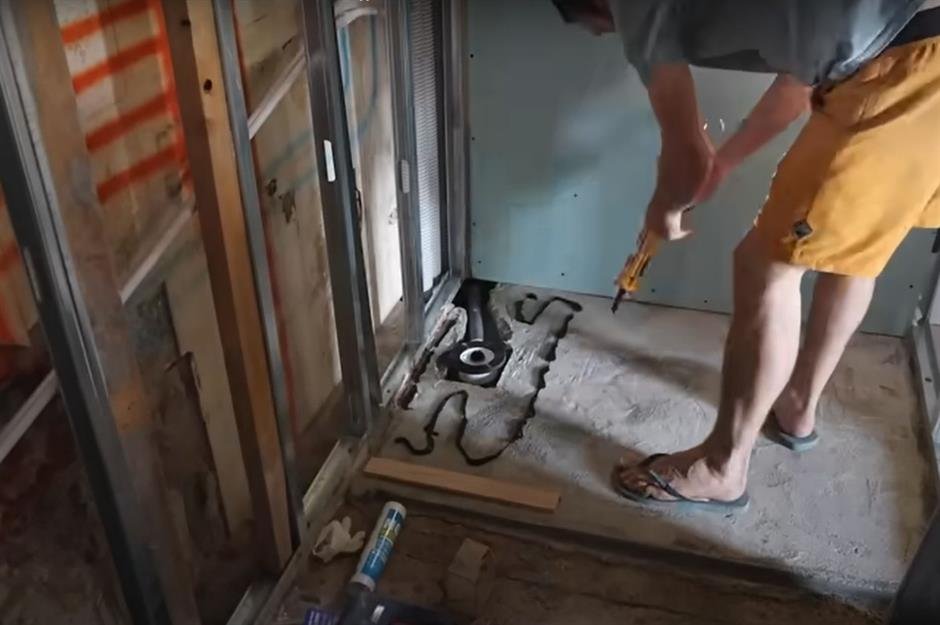
Despite lacking any construction or engineering background, Tomás was not hindered. To restore basic living conditions in the settlement, he took full advantage of internet resources, gradually mastering foundational building skills through online tutorials and on-site observations. Over the years, he personally repaired collapsed stone walls and damaged roofs, slowly improving the surrounding infrastructure. Because Solanell lacks any convenience stores or restaurants, he has to meticulously plan his daily expenses and material reserves. In this rugged environment, so vastly different from modern urban life, he has regained his physical and mental well-being, along with his freedom.
Solitary Living and the Hidden Worries of Rural Aging
During his 12 years in Solanell, Tomás has reflected deeply on “solitary living.” He defines it as an “actively chosen solitude.” Provided he maintains regular contact with friends and family in the outside world, this environment affords him ample space for peaceful contemplation. However, his personal spiritual richness cannot mask broader social concerns. Tomás points out that the local area is facing an extremely severe crisis of low birth rates and aging. According to his observations, up to 18 neighboring villages are at constant risk of total abandonment, with the current permanent population generally over the age of 60, urgently requiring the involvement of younger generations to sustain community vitality.
A Call for a Rational Return to the Countryside
Addressing the increasingly popular trend of “counter-urbanization,” Tomás offers pragmatic advice to those intending to move to the countryside. He emphasizes that newcomers should adopt a mindset of “building a home” rather than simply “escaping reality.” He believes that by integrating modern internet technology, remote mountainous regions have full potential to develop economic projects such as direct sales of organic produce or creating small retreats. However, beyond digitalization, the continuation of rural life ultimately relies on solid physical labor. The old man, who jokingly calls himself the “mayor, police officer, and priest” of Solanell, admits that if he could give one piece of advice to his younger self, it would be to start this mountain life as early as possible.
