In 2026, Spain’s iconic dish, Valencian Paella, faced a historic disruption on the international stage. In two recent top-tier global paella culinary competitions, the highest gold awards were both captured by chefs from Mexico. This phenomenon has sparked widespread attention and reflection within the industry regarding the birthplace of paella losing its competitive edge.
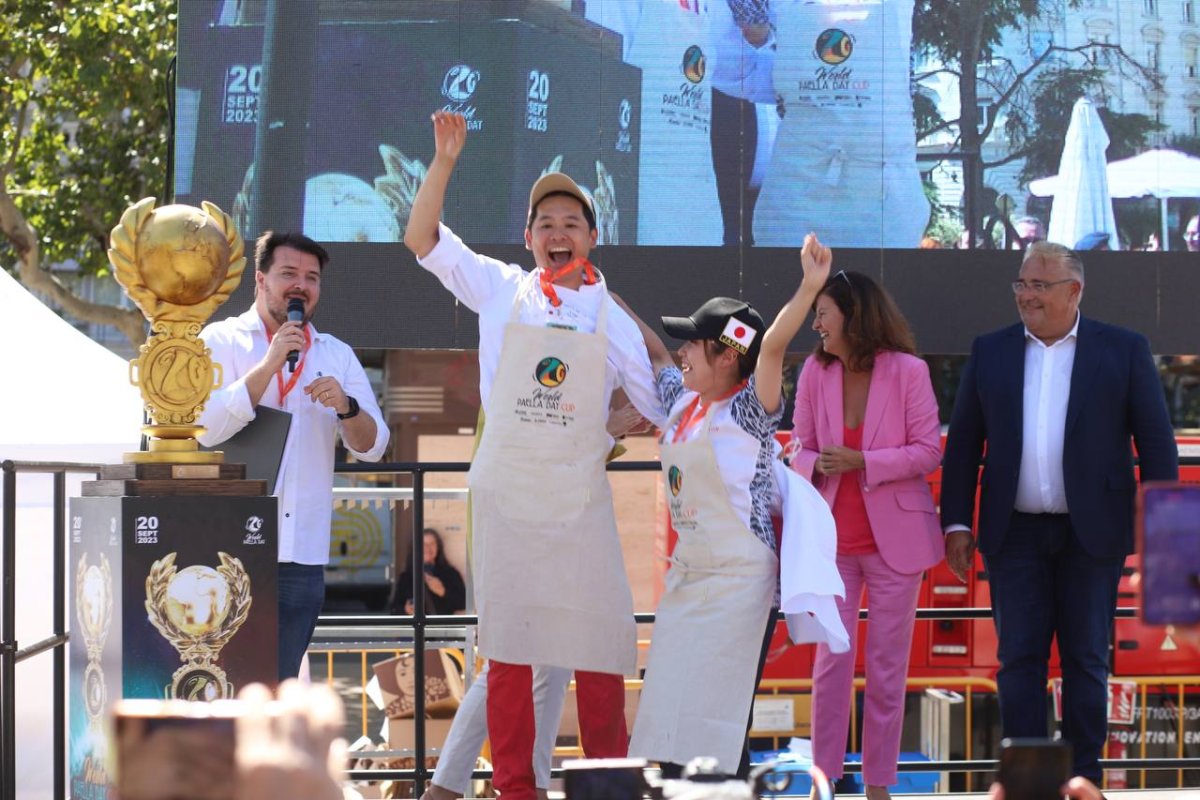
Mexican Contestants Sweep Gold Awards in Two Top 2026 Global Competitions
At the recently concluded 2026 international culinary events, foreign chefs demonstrated overwhelming competitive strength. In the Concurs Internacional de Paella Valenciana de Sueca, Mexican executive chef Jose Carlos Ruiz won the championship with his precise control of the rice’s readiness. He revealed that to achieve perfect standards in the competition, he underwent months of closed-door specialized training. Subsequently, at the 2026 World Paella Day global finals, another Mexican executive chef, Froilan Mujica, stood out among top contestants from Europe, the Americas, and Asia, claiming the gold medal once again.
Competition Data Reveals a Significant Decline in the Birthplace’s Win Rate
Historically, the “loss” of traditional strongholds by local Valencian restaurants is not an isolated incident. Taking the historic Sueca International Contest as an example, in the past 10 editions, chefs representing Valencia have successfully claimed the championship only four times. This is a stark contrast to decades ago when local masters monopolized the gold medals. In the 2026 lineup, the internationalization trend of this event was even more evident: out of 41 contestants, local chefs occupied only 15 spots (including 3 reserved for the host city, Sueca), while the remaining spots were equally divided between 13 contestants from other Spanish provinces and 13 foreign contestants.
Professional Preparation Models Overpower Traditional Restaurant Operations
Addressing the decline of local chefs in the competitive arena, renowned local Valencian culinary scholar and celebrated chef Raul Magraner provided an in-depth analysis. He pointed out that the core issue lies in the internationalization of the competition environment and the vast differences in contestants’ preparation models. Contestants from other provinces and abroad usually have strong team sponsorships, allowing them to step away from daily work and spend months full-time researching and repeatedly practicing the exact standard competition recipe, with a preparation intensity comparable to professional sports clubs. In contrast, local Valencian chefs are tied down by the heavy daily operations of their restaurants, needing to juggle cooking dozens to hundreds of pans of rice with different flavors every day, making it objectively impossible to focus all their energy on a single competition pan type.
