Traffic Congestion Returns Around Urban Schools
As the summer holidays come to an end, students across Spain are officially returning to school. Major cities such as Madrid, Barcelona, Sevilla, and Zaragoza are once again facing severe traffic challenges. During the daily morning and evening rush hours, roads around schools are heavily congested, and legal parking spaces are extremely hard to find. To prevent their children from being late, many parents choose to park their cars directly alongside legally parked vehicles. This temporary parking method, known as “double parking,” is frequently seen around school zones.
Up to 200 Euros Fine for Illegal Parking
Under current Spanish traffic regulations, parking a vehicle next to another legally parked car and blocking its exit is clearly classified as a parking violation. For such “double parking” offenses, law enforcement can issue administrative fines of up to 200 euros. Although paying the fine promptly within the statutory period usually grants a 50% discount, this illegal practice seriously disrupts normal traffic flow and increases road safety risks.
Towing and Impound Fees Increase the Cost of Violations
In addition to direct parking fines, if municipal police determine that an illegally parked vehicle causes substantial obstruction to traffic or poses a safety risk, they have the authority to call a tow truck to forcibly remove the vehicle. In this scenario, the vehicle owner will bear a much higher cost: not only must they pay the parking fine, but they must also fully cover the towing service fee and the vehicle impound fee at the municipal parking lot. Taking Madrid as an example, the daily impound fee after a vehicle is towed to a municipal lot is as high as 19.20 euros. This means that parents who park illegally to save a few minutes of walking could ultimately face financial losses well over 100 euros.
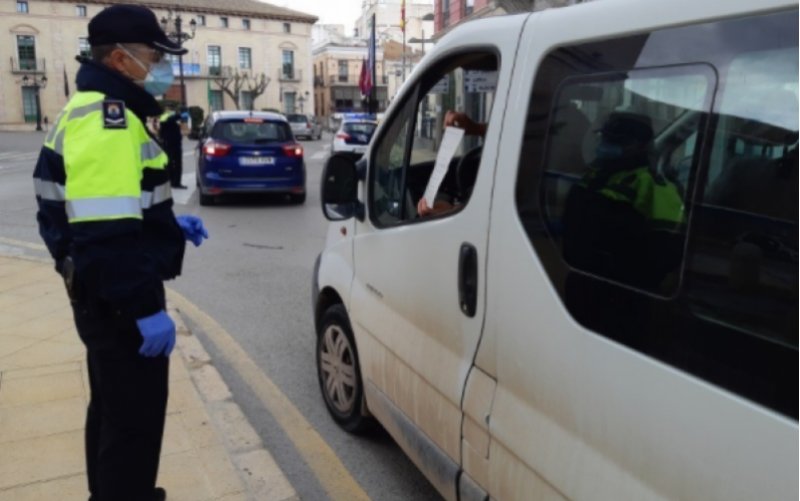
New Traffic Regulations Around Schools Starting in October
In response to increasingly congested road conditions around campuses, the parking service agency EasyPark advises parents to plan their travel routes in advance, allocate plenty of time, try to park in legal spaces near the school, and then walk their children onto the campus. Furthermore, starting October 1, relevant Spanish authorities will further strengthen traffic safety management around schools. Municipal governments have the right to establish low-speed zones, implement traffic restrictions, and designate specific drop-off and pick-up areas for students. Authorities emphasize that regardless of what optimization measures are introduced, “double parking” remains a strictly prohibited and illegal act, and violators will continue to face the corresponding legal penalties.
