1. Rapid Surge in the Basic Shopping Basket
According to the latest market research and economic data, Spanish society is experiencing its most severe cost-of-living crisis in the past 34 years. Over the past twelve months, the overall price of the ‘basic shopping basket’ relied upon daily by residents has broken through the 15% threshold. Among the essential goods included in the key statistical scope, approximately 95% of categories have been hit by varying degrees of price shocks.
2. Drastic Fluctuations in Agricultural and Fresh Produce
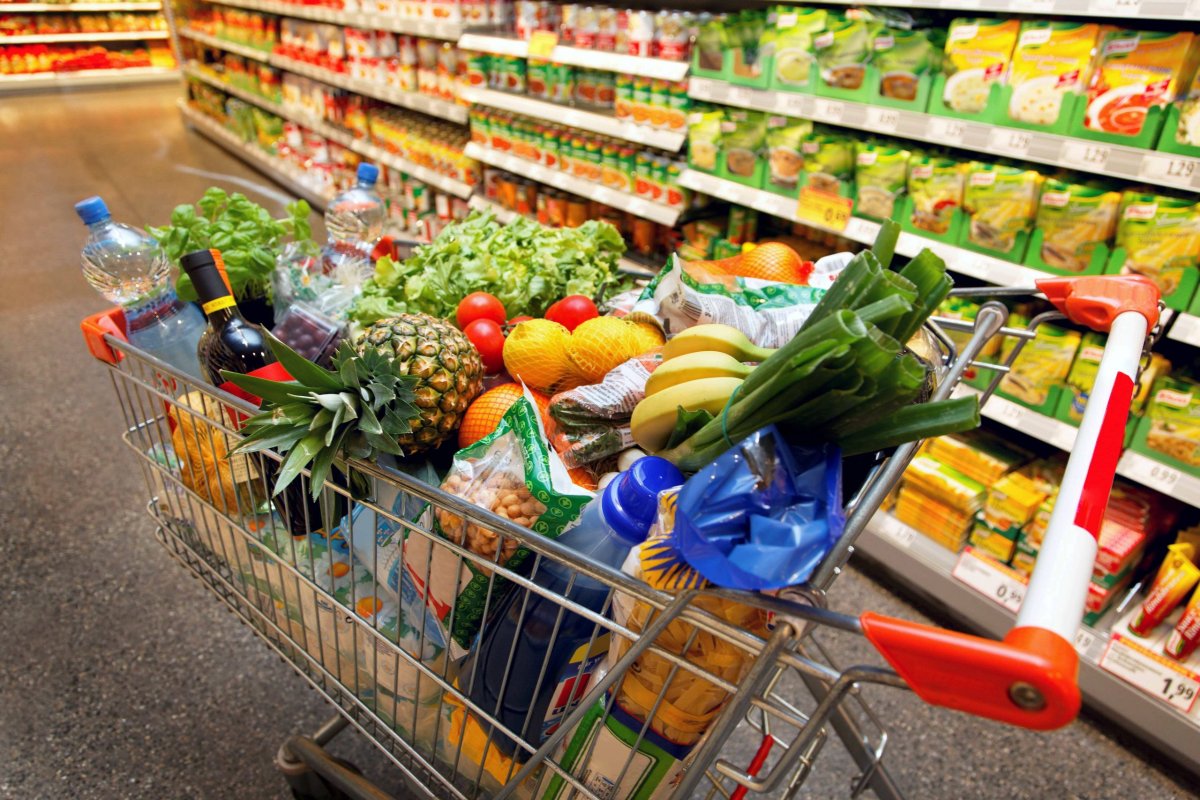
Among various commodities, price anomalies in the food category are particularly prominent. Calculated on an annual cycle, red berries led the gains with a 35.7% increase, the average prices of fresh citrus and green beans rose by over 17% and 15.9% respectively, and eggs, a basic daily protein source, also climbed 12.5%. Focusing on the period from January to August 2026, red berries skyrocketed by a cumulative 44.6%, while potatoes and various aquatic products (including dried, smoked fish, and seafood products) generally maintained an increase of over 5%. However, regulated by seasonal supply and demand cycles, the prices of common fruits and vegetables such as tomatoes, cucumbers, pumpkins, and eggplants experienced a correction of about 8.1%, and average prices of some tropical fruits also fell slightly by 4.4%.
3. Energy Costs Drive Up Overall CPI
Beyond core food items, energy expenses essential for basic household operations, such as fuel, electricity, and gas, also showed a surging trend, further exacerbating the financial burden on the public. According to macroeconomic data released by the Spanish National Statistics Institute (INE), the national Consumer Price Index (CPI) in Spain jumped 4.3% year-on-year in August 2026, directly hitting a peak not seen since February 2023, with a month-on-month growth rate of 0.7%. In sub-sectors, the food and non-alcoholic beverages segment maintained a year-on-year increase of 2.3%.
4. Consumption Downgrade and Public Financial Warnings
Persistent inflation has directly reshaped the final consumption choices of Spanish citizens. Although total meat consumption currently remains largely flat, the expenses borne by households for this have passively increased by 5.7%; when purchasing fresh fish, residents have had to control family budgets by cutting their procurement volume by 5.2%. Relevant socio-economic research reports issue a warning: when factoring in the high food bills along with fixed expenses such as water, electricity, gas, and transportation fuel, approximately 56% of households in major and medium-sized Spanish cities have fallen into a dilemma of financial imbalance, and the difficulty of maintaining their original basic living standards is climbing sharply.
