Expanded Children’s Coverage and Introduction of Pain-Free Nasal Spray
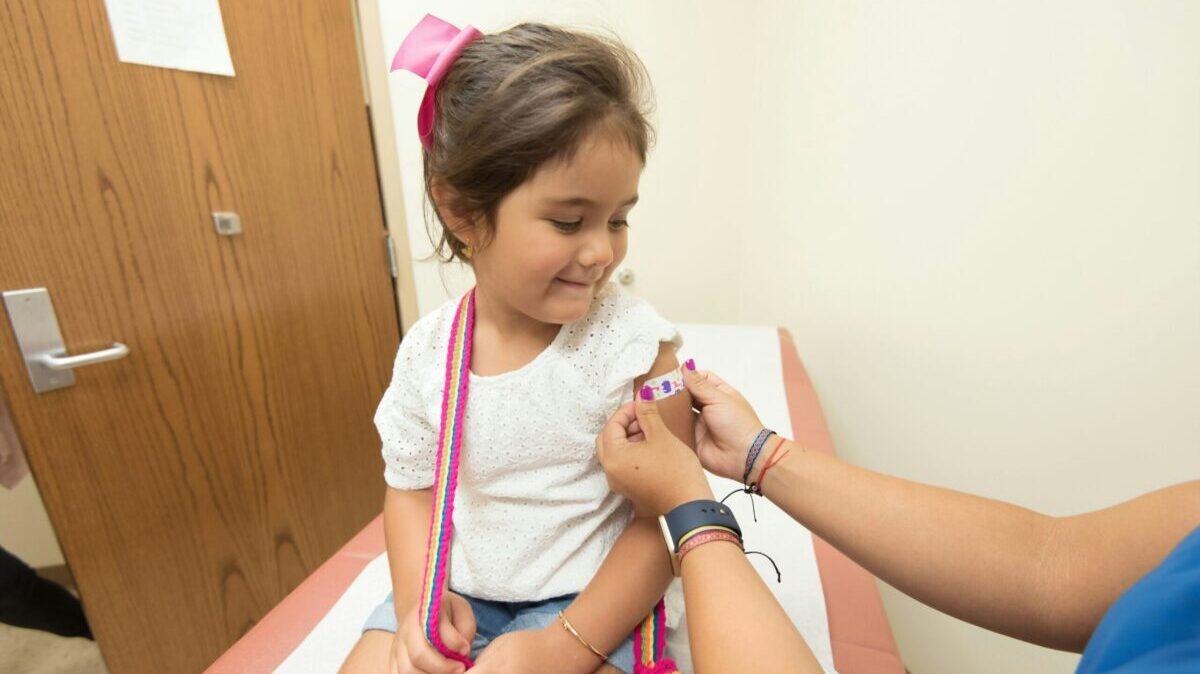
The most significant adjustment in this public health initiative is the expanded coverage of children. Previously, the children’s flu vaccination program primarily targeted infants and toddlers aged 6 months to 4 years and 11 months. This year, the Community of Madrid has officially extended this age limit to 7 years. Health authorities have made differentiated arrangements for infants and children of various age groups: children aged 2 to 7 will be prioritized for the live attenuated virus nasal spray flu vaccine as an alternative to traditional injections, thereby improving pediatric compliance. Meanwhile, infants aged 6 to 23 months, for whom the nasal spray is contraindicated by age, will continue to receive age-appropriate conventional injected vaccines. To this end, relevant institutions in Madrid have allocated approximately 2,503,900 euros to procure 130,000 doses of the pediatric nasal spray flu vaccine, nearly doubling the supply compared to the previous year.
Phased Vaccination Schedule and Dual Approach
This year’s vaccination cycle is set to begin on October 5, 2026, and is scheduled to conclude on January 31, 2027. Major hospitals, community clinics, and health centers under the jurisdiction of the Community of Madrid will adopt a phased opening mechanism. The initial phase of the campaign (the first two weeks) will be open exclusively to the first tier of high-risk groups, primarily including individuals aged 60 and over, as well as children aged 6 months to 7 years. Starting October 13, frontline medical and social welfare workers will be included in the vaccination rollout. Subsequently, on October 19, the campaign will be fully rolled out to cover susceptible populations such as pregnant women, individuals with chronic underlying health conditions, educational center staff, and in-home caregivers. For those eligible for combined immunization, health institutions will offer simultaneous administration of both the flu and COVID-19 vaccines.
Setting Clear Coverage Goals to Sever Community Transmission Chains
To prepare for the winter-spring peak of respiratory infectious diseases, the Community of Madrid has prepared a total of 1,790,000 doses of the flu vaccine this year, an increase of 110,000 doses over the previous year. Public health departments have established specific coverage targets: striving to achieve or exceed a 75% vaccination rate among the elderly over 60 and pregnant women, while pushing the vaccination rate for medical and social workers, as well as children, past the 60% standard. Retrospective epidemiological data reveals that during the peak of the previous flu outbreak, the incidence rate among toddlers aged 0 to 4 topped all age groups, reaching 1,563.55 cases per 100,000 people, far exceeding the regional average of 308.73 cases per 100,000 people. Although the rate of severe hospitalizations following childhood infections did not surge significantly in clinical settings, this demographic acts as a crucial “amplifier” for viral cross-transmission within communities. Boosting vaccination rates among young children aims to build up a herd immunity barrier, in turn protecting vulnerable seniors over 80 from severe complications.
Simultaneous Expansion of Pneumococcal and Other Immunization Programs
Beyond coordinating routine flu and COVID-19 prevention, the Community of Madrid continues to bolster defenses against other critical respiratory infectious diseases. This year, the region will expand the eligible demographic for the pneumococcal vaccine, incorporating more individuals over 60 into the free vaccination list for the first time, to reduce the incidence of severe conditions such as otitis media, sepsis, meningitis, and invasive pneumonia caused by this pathogen. For seniors over 70 who lack a specific vaccination history (or have only received traditional polysaccharide vaccines), clinical guidelines recommend a supplementary dose of a next-generation pneumococcal vaccine to gain more effective and lasting immune protection. Concurrently, routine preventive vaccinations for infant Respiratory Syncytial Virus (RSV) and rotavirus will also proceed systematically as planned at medical centers across all levels.
