Preoperative Imaging Detected Lesion, Systematic Reporting Failure Across Multiple Departments
According to relevant forensic documents, the incident began in July 2021. At that time, the 71-year-old male patient was preparing for cardiac surgery at a local public hospital in Valencia and underwent a routine chest CT scan. The examination report clearly indicated a “solid lesion with irregular spiculated margins” in the upper segment of the lower right lobe of his lung, an imaging feature highly indicative of primary lung cancer.
Although the intensive care unit (ICU) medical records documented this abnormal lung nodule, the cardiac surgery department made no mention of it in the final discharge report. Not only did the attending physician fail to inform the patient and his family of the examination results, but the hospital also did not arrange any follow-up care or refer him to thoracic surgery. Furthermore, the family doctor, who had access to these medical records, also failed to take any action, resulting in the patient missing the opportunity for early intervention while remaining completely unaware of his condition.
Two Years Later, Seeking Medical Care for Skin Patches Reveals Widespread Cancer Metastasis
During the two years of being completely ignored by the healthcare system, the tumor inside the patient’s body grew naturally. It was not until September 2023 that the elderly man noticed unidentified patches on his skin and visited the hospital’s dermatology department, after which he was placed on a waiting list for excision surgery.
During a cervical spine CT scan prior to the dermatological surgery, doctors were shocked to discover that the lung lesion ignored two years ago had evolved into an advanced, massive tumor. A subsequent comprehensive screening confirmed the severity of the condition: the tumor had not only invaded the chest wall but had also metastasized widely to the patient’s pleura, adrenal glands, bones, skin, and muscle tissues, severely threatening multiple organ functions.
Missing the Golden Window for Treatment, Patient Sadly Passes Away Months Later
After being diagnosed with advanced metastasis, the patient’s physical condition deteriorated rapidly, accompanied by severe weight loss, respiratory failure, and intense radiating pain in his cervical spine and right arm. Initially, the medical team could only manage his severe pain through palliative radiotherapy to the cervical spine.
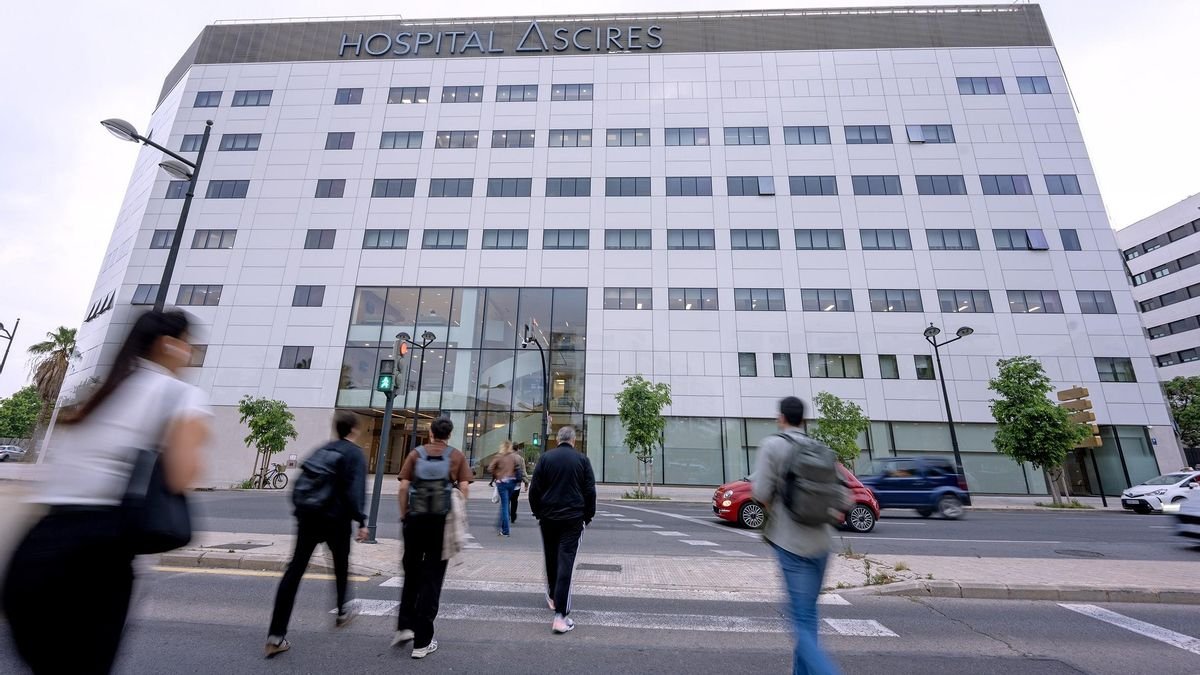
In October 2023, the hospital began administering chemotherapy and immunotherapy to the patient. However, because the disease had already reached an advanced stage, the treatment effects were extremely limited. Follow-up results in January 2024 showed that the patient’s bodily functions were facing complete failure, and his condition continued to worsen. The medical team ultimately had to suspend the chemotherapy regimen and transfer the patient to hospice care. A few days later, the 71-year-old man passed away in extreme agony, two and a half years after his lung lesion was initially detected.
Joint Accountability by Multiple Regulatory Authorities, Official Ruling Awards 64,000 Euros in Compensation
This severe incident of medical delay triggered the intervention of several local health and legal regulatory authorities. The latest ruling published by the Legal Consultative Council of the Valencian Community showed that the health services inspection department determined the hospital’s diagnostic and treatment process completely deviated from current medical protocols, and repeatedly missed opportunities for correction during subsequent follow-up visits, squandering the patient’s two-year window for early treatment.
In addition, the medical forensic report severely criticized the malpractice of the receiving physicians, pointing out that the failure to issue referral orders and take diagnostic measures was the direct cause of the condition deteriorating from an early stage to an incurable advanced stage. The personal injury assessment committee further clarified that due to the severe negligence of the medical institution, the patient was forced to “lose up to a 70% chance of survival.” Based on these investigation findings, authorities officially ruled that the public healthcare system involved must pay 64,000 euros in financial compensation to the victim’s family.
