Energy Price Fluctuations Drive Up Overall Inflation
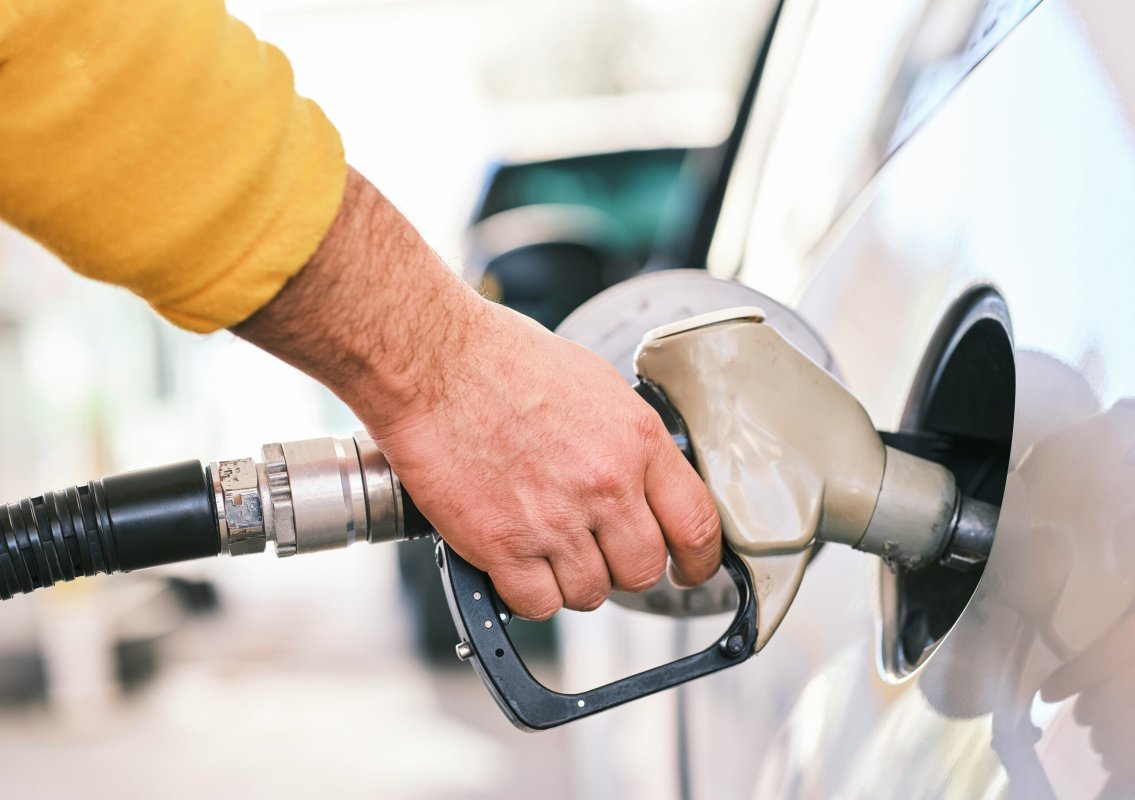
According to the latest report released by the Spanish National Statistics Institute (INE), the significant rebound in the September Consumer Price Index (CPI) is mainly attributed to the continuous rise in the prices of gasoline, diesel, and automotive lubricants. The Ministry of Economy pointed out that the instability in the Middle East has triggered turbulence in the global energy market, directly impacting domestic fuel costs in Spain. In addition, influenced by historical base effects, fuel prices dropped during the same period last year, and this statistical baseline difference has further amplified the year-on-year growth data for September this year.
Core Inflation Shows Signs of Spreading to Other Sectors
The rising costs in the energy market are gradually passing through to broader consumer sectors. Data shows that after excluding highly volatile energy and unprocessed food, the core inflation rate in September remained high at 3.1%. This indicates that the pressure of rising prices is no longer confined to the fuel sector. Price changes in service industries, such as tourist packages, have also contributed to the overall inflation data. The market is concerned that if international energy prices continue to run high, the food and related daily consumer goods industries will face a new round of cost pass-through pressure.
Government Urgently Intervenes in the Natural Gas Market
With autumn and winter approaching, natural gas prices have become a focal point of household expenses. According to previous estimates by the Organization of Consumers and Users (OCU), without external intervention, bills under the regulated natural gas tariff (TUR) could surge by over 50% starting October 1, with the peak reaching as high as 54%. This means that ordinary households relying on natural gas heating would bear an additional expense of about 310 euros per year. To prevent this extreme scenario, the Spanish government urgently approved a new energy plan at the Council of Ministers meeting on September 29, explicitly setting a cap on the increase of the TUR to stop the full transfer of high costs to end consumers.
Subsequent Challenges of the 10 Billion Euro Crisis Response
Facing ongoing energy challenges, the Spanish government has cumulatively invested approximately 10 billion euros in various subsidy and relief programs, covering fuel tax reductions and social electricity bonuses. However, as the previous phased subsidy measures for diesel (a discount of 20 euro cents per liter) and gasoline (a discount of 5 euro cents per liter) gradually expired at the end of September, the government is preparing to launch a new round of anti-crisis plans. In the future, policies will focus more on structural reforms such as the distribution of agricultural subsidies and the reduction of external energy dependency. Against this backdrop, the public still needs to closely monitor the long-term trends of fuel, natural gas bills, and food prices.
