Prices Rise Continuously, Setting New Annual Record
According to the latest data from the EU Oil Bulletin as of September 28, the upward trend in Spain’s fuel prices shows no signs of slowing. The average price of petrol has risen to €1.939 per litre, a 0.62% increase from the previous week. This marks the twelfth consecutive week of price hikes for petrol, setting a new annual high. Since the end of June this year, the cumulative increase in petrol prices has reached nearly 35%.
Diesel prices are also on an upward trend, with the average price reaching €1.934 per litre, a weekly increase of 0.83%, the highest level since mid-July 2022. The brief price drop following the government’s reintroduction of a 20-cent-per-litre subsidy in early September has been completely offset by the recent continuous increases.
The “€100 Tank” Becomes a Reality, Straining Household Budgets
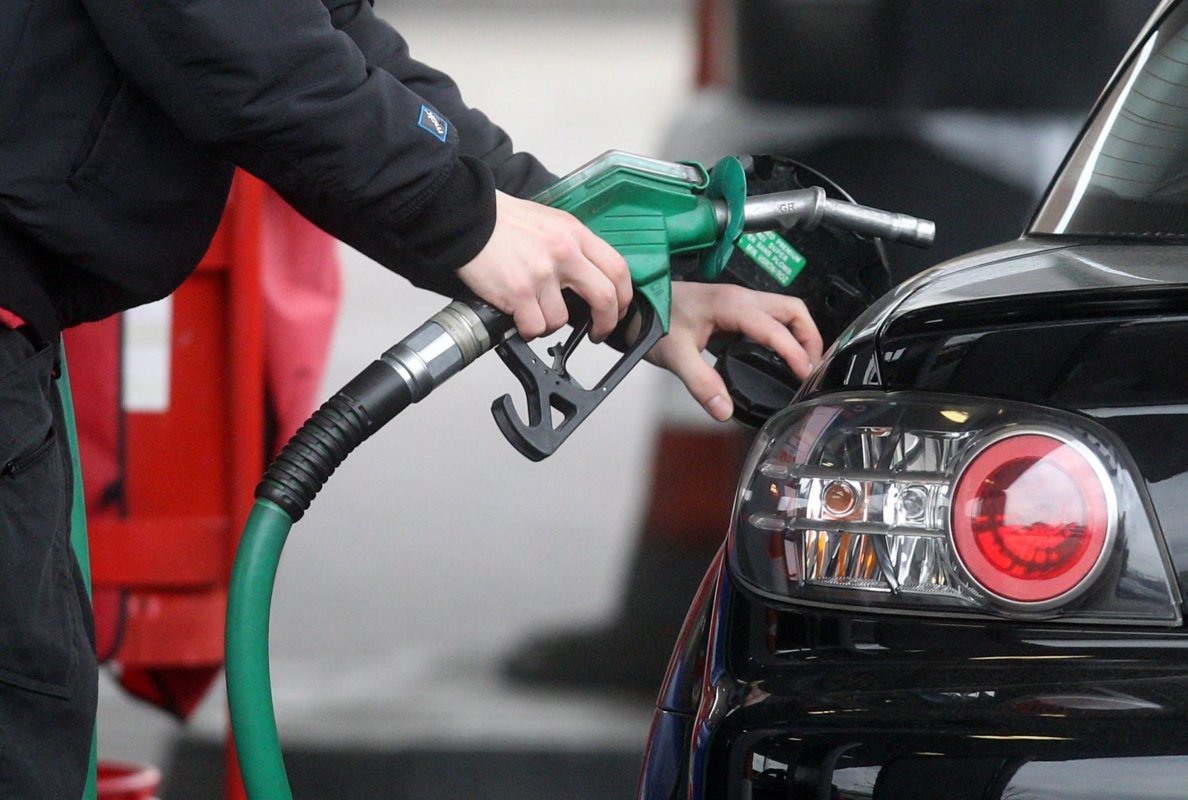
The high fuel prices directly translate into a financial burden for ordinary households. For example, filling a standard 55-litre tank with petrol now costs approximately €106.04, compared to €81.40 a year ago—an increase of nearly €25. Similarly, a full tank of diesel now costs €105.49, up about €28 from €77.55 a year ago. This means the ‘€100 tank’ has become a daily reality for Spanish drivers.
Government Subsidies Adjusted, but Struggle to Offset Price Hikes
To alleviate pressure on the public, the Spanish government has adjusted its fuel subsidy policy. From October, the hydrocarbon tax rebate for petrol will increase from 5 cents to 20 cents per litre, aligning with the discount diesel has received since September. However, the subsidy scheme is degressive: it will drop to 13 cents per litre in November and further to 6 cents in December. Although the policy includes an automatic safeguard clause that can restore the subsidy to 20 cents if prices rise by more than 15%, the current high prices have significantly diminished the subsidy’s effectiveness.
Historical Highs and Market Context
Although current fuel prices are high, they have not yet reached the historical peaks set in July 2022, when petrol hit €2.141 per litre and diesel reached €2.1 per litre. The final retail price of fuel is the result of a complex system, influenced not only by international crude oil prices but also by tax policies, raw material and logistics costs, and the profit margins of petrol stations. Furthermore, there is typically a time lag in the transmission of crude oil price changes to the pump prices at petrol stations.
