To alleviate the economic pressure from persistently high energy prices, a new series of anti-inflation measures introduced by the Spanish government officially took effect on October 1, 2026. The relevant Royal Decree was published in the Official State Gazette (Boletín Oficial del Estado) on September 30, aiming to reduce the energy expenditure burden on households and businesses through temporary intervention.
Enhanced Fuel Subsidies, Phased Out by Year-End
The most direct impact on consumers from the new measures is the adjustment of fuel tax relief. Starting October 1, consumers of unleaded gasoline and diesel will receive a 20-cent tax discount per liter when refueling. This is a significant benefit for gasoline car owners, as the discount in September was only 5 cents per liter. Diesel will maintain its previous 20-cent discount level.
According to the government’s plan, this subsidy is temporary and will be gradually reduced by the end of the year. The schedule is as follows: in November, the fuel discount will be lowered to 13 cents per liter; in December, it will be further reduced to 6 cents per liter. However, the decree includes a safeguard mechanism, granting the government the authority to maintain a higher subsidy level if international oil prices rise significantly again.
Conditional Tax Reductions for Electricity and Natural Gas
For electricity and natural gas, the government has not directly lowered tax rates but has established a conditional trigger mechanism. According to the regulation, if the price increase in the relevant wholesale energy markets exceeds 15% in September, the government will reactivate the tax relief policy in November.
At that time, the Value Added Tax (VAT) on electricity could be reduced from the standard 21% to 10%, and the Special Tax on Electricity could be drastically cut from 5.1% to 0.5%. Similarly, natural gas used for home heating and some other fuels may also be included in the VAT reduction to address potential spikes in energy bills during the winter.
Controlling Residential Gas Prices to Stabilize Household Expenses
To prevent sharp fluctuations in the international natural gas market from being directly passed on to consumers, the government has limited the adjustment margin for the regulated tariff for natural gas (TUR). In the routine price update on October 1, the increase in the raw material cost component was capped at 35% above the June level. In the next adjustment on January 1, 2027, the increase cap will be tightened to 15% relative to the October level.
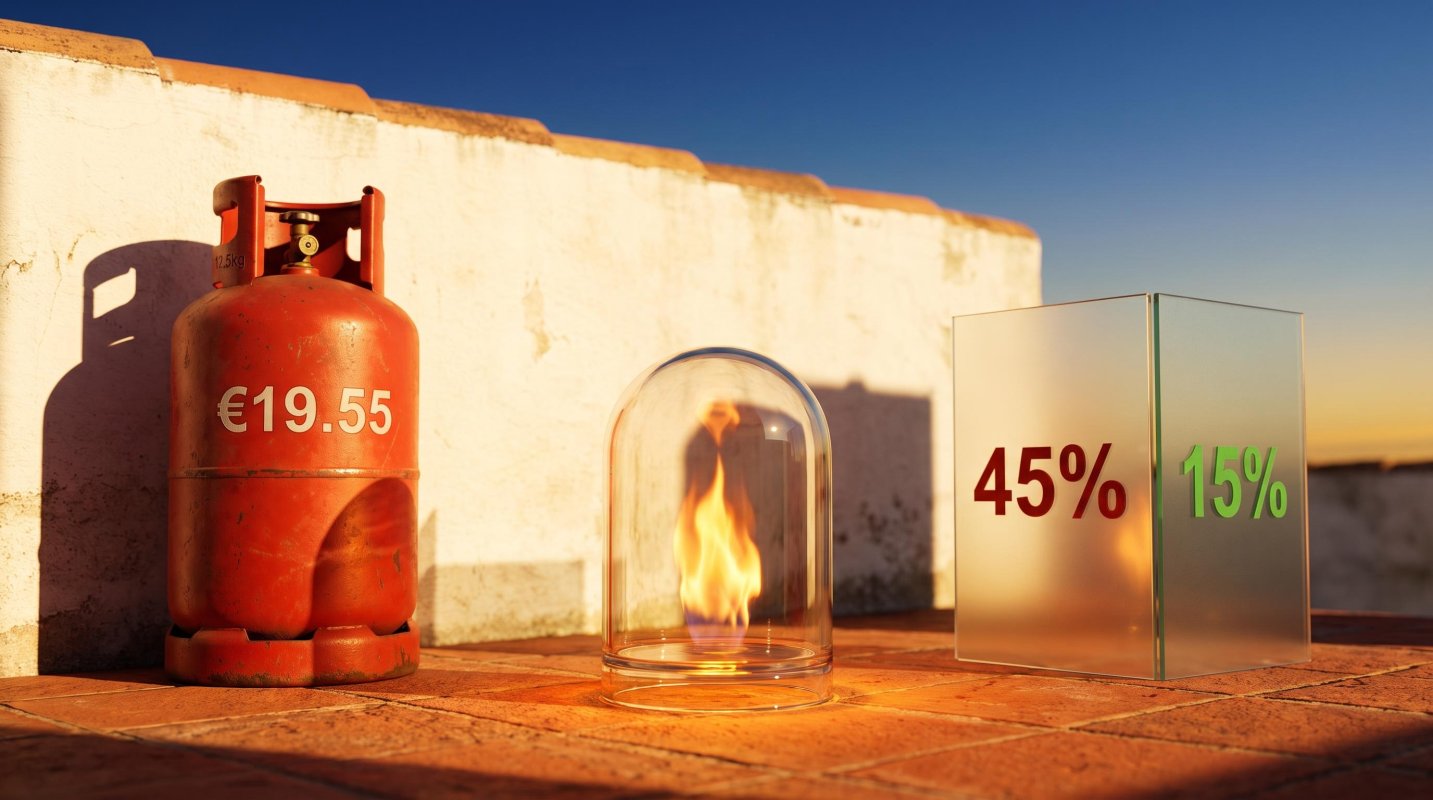
Furthermore, the government has extended the price cap on bottled butane. The maximum retail price for a standard 12.5 kg butane cylinder is locked at €19.55, and this measure will remain in effect until June 30, 2027.
Extending Sector-Specific Aid Amidst High Inflation
This round of measures comes against a backdrop of persistent inflationary pressure in Spain. Official data shows that in August 2026, the country’s overall inflation rate reached 4.3%, with transport prices rising by 9.5% year-on-year. Preliminary data for September indicates the inflation rate climbed to 4.9%.
In light of this, the government has decided to extend the aid program for specific sectors most affected by fuel prices, such as transport, agriculture, livestock farming, and fishing, until December 31, 2026. The Spanish government emphasizes that all measures are temporary arrangements, and their future continuation will depend on international energy prices, domestic inflation trends, and developments in the Middle East.
