Compact Structure Adapted for Small Urban Apartments
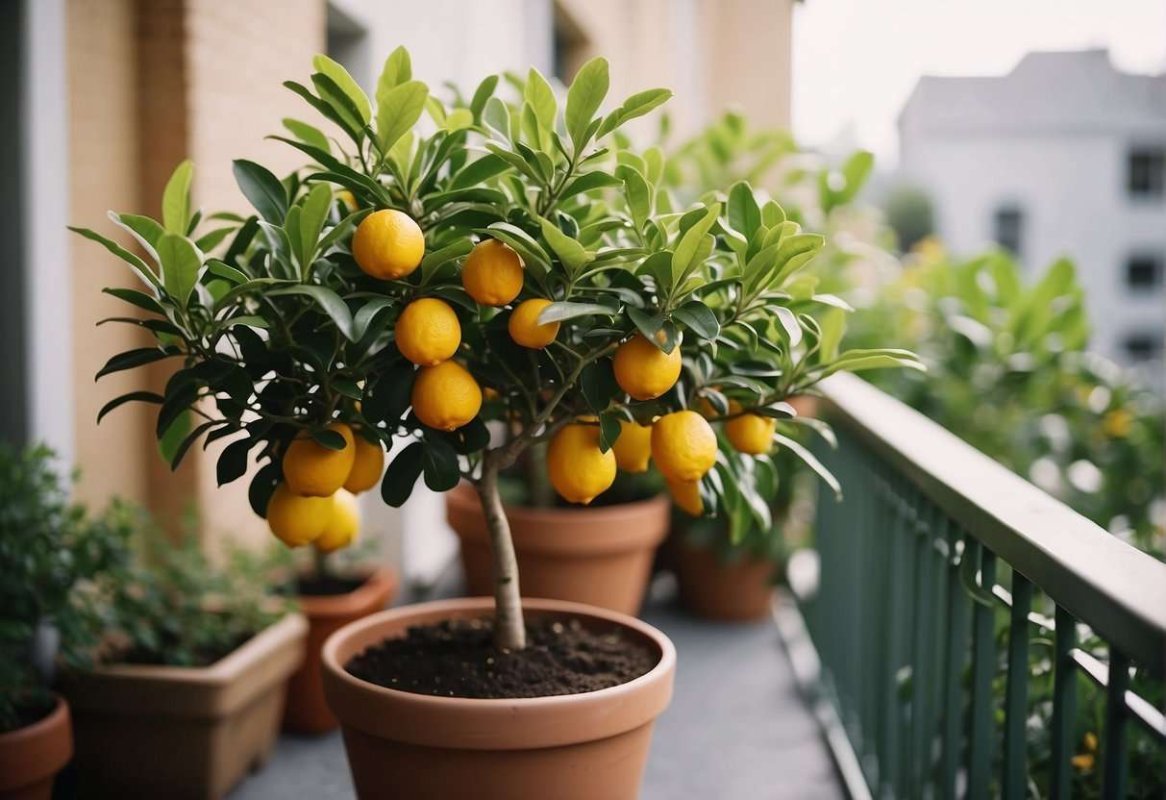
Driven by the growing trend of naturalizing private living spaces, dwarf lemon trees, typically kept between 1 and 3 meters in height, demonstrate excellent space utilization. From Madrid penthouses to Mediterranean residential balconies, this tree species has become the core choice for urban dwellers looking to create miniature orchards. Its compact growth structure not only provides evergreen ornamental value year-round but also perfectly matches the limited living areas of modern cities.
Non-Invasive Roots Eliminate Structural Hazards
For many urban homeowners, the potential damage to buildings caused by plant roots is a major pain point. Numerous technical analyses of the dwarf lemon tree confirm that this species features a significantly non-invasive root structure. This means its roots will not damage the foundation of a house or lift balcony tiles during growth, effectively relieving owners of long-term concerns. In addition, this fruit tree boasts excellent environmental adaptability, allowing for direct planting in courtyard soil while also thriving healthily in large potted containers.
Year-Round Fruiting Mechanism in the Iberian Peninsula Climate
High economic cost-effectiveness is a key factor behind the popularity of dwarf lemon trees. Under the mild climate conditions of the Iberian Peninsula, this tree species can achieve uninterrupted fruiting for 12 months. This characteristic is attributed to its unique staggered blooming mechanism: the concentrated blooming period in spring provides abundant fruit yield for the summer, while subsequent blooming in summer and autumn ensures a winter lemon supply. Growers only need to take appropriate frost protection measures during severe cold snaps in inland areas to maintain the tree’s stable year-round yield.
Scientific and Strict Daily Maintenance Standards
Despite its strong adaptability, maintaining the healthy growth and high yield of a dwarf lemon tree requires adhering to strict plant management guidelines. Regarding lighting, it is essential to ensure the tree receives 6 to 8 hours of direct sunlight daily. During hot summer periods, irrigation frequency must be correspondingly increased to meet the plant’s transpiration needs. For nutritional supplementation, specialized fruit tree fertilizers rich in key elements such as nitrogen, potassium, and iron should be applied regularly. Meanwhile, growers need to conduct daily monitoring and timely intervention for common pests and diseases like aphids and scale insects to ensure the sustainable operation of their urban balcony orchards.
