To legally operate a business in Spain, applicants generally face two distinct official pathways: the “Entrepreneur Visa” established under the Entrepreneurs Act, and the “Self-Employed Residency” (Autonomo) intended for regular individuals. Some applicants often confuse the two, but their underlying approval logic and target demographics are completely different.
Entrepreneur Visa Pathway: Focus on Innovation and Job Creation
According to Article 98 of Spain’s Entrepreneurs Act (Ley 2/2009), the Entrepreneur Visa is primarily aimed at projects with innovative attributes. Its approval authority belongs to a special evaluation unit under the Spanish Ministry of Labor and Social Economy.
Compared to traditional business visas, the most significant feature of the Entrepreneur Visa is its “emphasis on the project over capital reserves.” The law does not set an absolute minimum financial threshold; the core of its approval lies in a logically detailed business plan. The evaluation panel primarily examines whether the project possesses innovation in technical or business dimensions, and whether it can create actual local jobs.
Regarding residency rights, the initial Entrepreneur Visa is valid for 1 year, and subsequent renewals can grant a residence card for up to 3 years. A significant advantage of this pathway is that it supports simultaneous family applications. When the main applicant submits their case, their spouse and minor children under 18 can be included. Once approved, family members are directly granted the right to work legally in Spain. Furthermore, holding this visa and legally residing in Spain for 4 years and 2 months allows for the transition to a 5-year long-term residency (permanent residency).
Self-Employed Residency Pathway: Focus on Business Implementation and Stable Operations
The Self-Employed Residency (Autonomo), on the other hand, is a universal pathway for ordinary sole proprietors, with approval authority delegated to provincial immigration offices (Extranjeria). The core logic of this route is to verify the practical feasibility of establishing the business.
Applying for this residency involves strict prerequisites: the applicant must first obtain a Spanish Foreigner Identity Number (NIE) and complete tax registration with the Tax Agency (AEAT). In terms of financial standards, applicants must prove they have sufficient funds to cover the project’s operational costs for the initial 3 to 6 months, as well as their personal living expenses for the same period. The government typically uses 100% of the Public Multiple Effects Income Indicator (IPREM) for the current year as the baseline reference for living expenses.
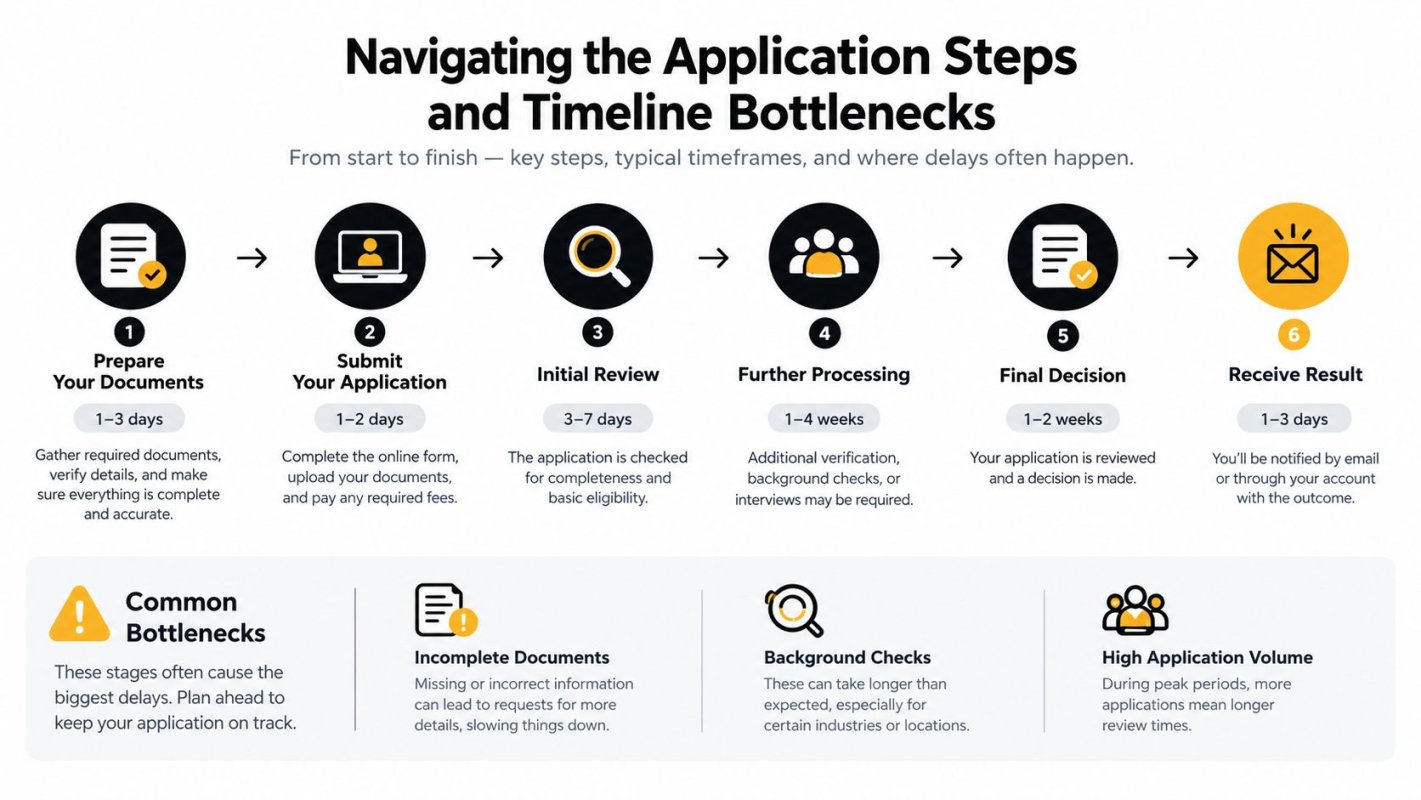
During the approval stage, provincial offices prefer asset-light or individual service-oriented projects, whereas asset-heavy industries face a relatively higher difficulty in passing. Once approved, the applicant is required to obtain comprehensive public and supplementary commercial health insurance. The initial visa is valid for 1 year and can be renewed for up to 2 years. It is worth noting that during the renewal process, authorities will strictly inspect actual business bank statements and social security payment records; shell companies will face the risk of rejection.
Common Application Pitfalls and Avoidance Guide
Regarding the two pathways mentioned above, applicants need to guard against the following frequent misconceptions during the practical submission process:
First, avoid misapplying the application logic. If a business plan for a Self-Employed Residency heavily emphasizes technological innovation, it is highly likely to be outright rejected because it does not align with the provincial office’s evaluation focus.
Second, prioritize documentation proving your funding chain. In a self-employed application, if you state that the startup capital comes from family support, you must simultaneously provide an official, legally binding letter of guarantee; otherwise, this will create hidden risks during the renewal stage.
In addition, Entrepreneur Visa holders must strictly fulfill their business commitments. If the subsequent actual operational status deviates significantly from the business plan submitted during the initial review (for example, promising to hire 5 people but actually employing zero), they will face severe questioning and may even lose their eligibility during the renewal evaluation.
Finally, applicants should remain rational and be wary of any marketing campaigns in the market claiming “100% guaranteed approval for the Entrepreneur Visa.” The relevant departments conduct a substantive review of the project’s innovation, which cannot be bypassed by simply piling up documents.
