Spain’s E-commerce Continues to Expand with Cross-Border Consumption Deficit
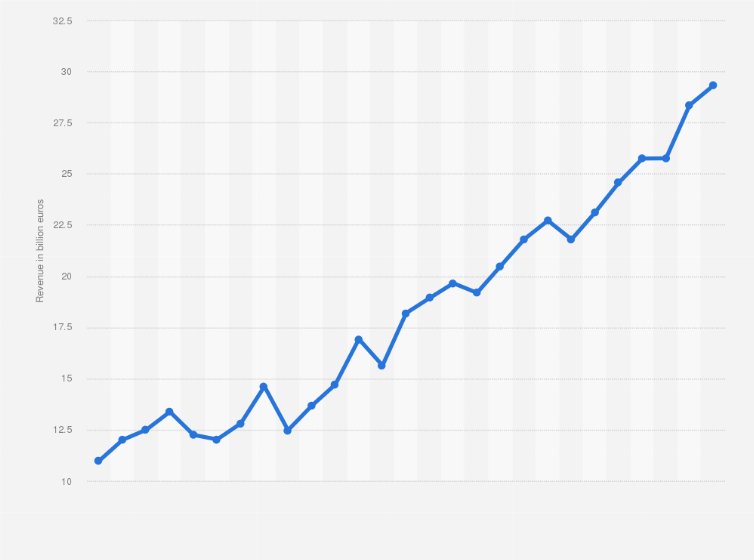
According to statistics from the Spanish National Markets and Competition Commission (CNMC), Spain’s e-commerce market showed strong growth momentum in the first quarter of 2026. Total transactions reached 29.643 billion euros during this period, a 15.1% increase year-on-year, with over 549 million completed transactions, marking a 16% increase. By industry, tourism remains the core engine driving online consumption, with travel agencies and tour operators contributing 8.7% of total sales, while the air transport sector accounted for 6.4%.
However, the country’s e-commerce market is experiencing significant capital outflow. In the first quarter, Spanish consumers spent a staggering 16.604 billion euros on foreign platforms, accounting for 56% of total e-commerce transactions, with over 90% of these funds flowing to other EU member states. In contrast, international consumers spent only 3.833 billion euros on Spanish websites. This “outward-oriented consumption” structure indicates that despite the massive size of the domestic e-commerce market, there is still room for improvement in attracting international consumption.
Local Food Inflation Intensifies, Significant Poultry Pricing Differences Among Major Retailers
Amidst macroeconomic fluctuations, the daily grocery costs for Spanish residents continue to climb. Monitoring results from the Spanish National Statistics Institute (INE) and the Organization of Consumers and Users (OCU) show that the average price of a basic household shopping basket nationwide has increased by 1.8% year-on-year, with certain fresh produce categories experiencing particularly prominent price hikes. The average price of chicken, a core protein source on dining tables, has risen by 3.8% compared to the same period last year.
Market research indicates significant divergence in the pricing strategies of major mainstream supermarket chains. For a whole chicken, Alcampo’s price is as low as 5.58 euros, whereas Carrefour prices the same product at 8.75 euros, revealing a striking price gap. Regarding portioned meat, the price of chicken breasts at Carrefour and Mercadona remains around 3.80 euros, while Alcampo prices similar products at over 8 euros. This phenomenon reflects highly polarized cost pass-through and pricing mechanisms at retail terminals during a period of supply chain pressure.
Extreme Climate Devastates European Water Systems, Severely Restricting Energy Supply and Inland Shipping
Europe faced severe climate tests this summer, with prolonged heatwaves and droughts leading to a sharp drop in water levels across multiple core river systems. EU climate change services confirmed that the flow volumes of 12 major European rivers dropped to their lowest levels in nearly three decades. This ecological anomaly directly impacted the fundamental logic of regional economic operations.
Water shortages primarily struck Europe’s energy grid. Nuclear power plants and thermal generators, which heavily rely on abundant water sources for system cooling, were forced to operate at reduced capacity, while hydroelectric power output also shrank significantly due to depleted water flows. Meanwhile, inland shipping, the industrial artery of Europe (such as the Rhine waterway), suffered a heavy blow. Cargo ships, unable to travel fully loaded due to draft restrictions, directly drove up single-trip transportation costs, forcing numerous industrial enterprises to shift their logistics demands to roads or railways, further exacerbating the overall inflationary pressure on the regional supply chain.
Business Adjustments and Public Governance: Multinational Corporate Restructuring and the UK Prison Crisis
Amid the global wave of consumer downgrading, multinational giants are accelerating the contraction of their operations. The latest quarterly financial report shows that sportswear brand Nike’s revenue dropped 4.3% year-on-year to 11.213 billion dollars, with net profit down 2%. Notably, revenue in the Asian market plummeted by 26%. To counter the earnings decline, the company announced the launch of a new round of global business restructuring and job cuts starting in 2027, refocusing funds on core product research and development as well as direct-to-consumer business segments.
In the realm of public governance, the UK is facing a severe infrastructure saturation crisis. Because prison capacities in England and Wales reached critical limits, the UK justice system officially activated an emergency intervention mechanism on October 1, releasing an initial batch of approximately 700 inmates before their sentences were completed. Under the new regulations, some offenders who have served only one-third of their sentences can reintegrate into society. Although this move frees up execution space for the backlog of judicial sentences, it has also sparked deep concerns within local communities regarding deteriorating public safety and systemic governance failures.
