Sales Decline Driven by High Prices, Not Chinese Competition
In recent years, the recovery of the European automotive market has encountered a severe bottleneck. Statistics show that current annual new car sales in Europe have dropped by approximately 3 million units compared to pre-pandemic levels. Addressing this market downturn, Dacia’s global head made her stance clear during an interview at the presentation of the new Striker model in Milan, Italy. She pointed out that the current sales decline in the European auto market cannot be blamed on the influx of Chinese automakers; the real issue lies in the continuous rise of car prices, while consumers’ actual incomes have failed to grow at the same pace.
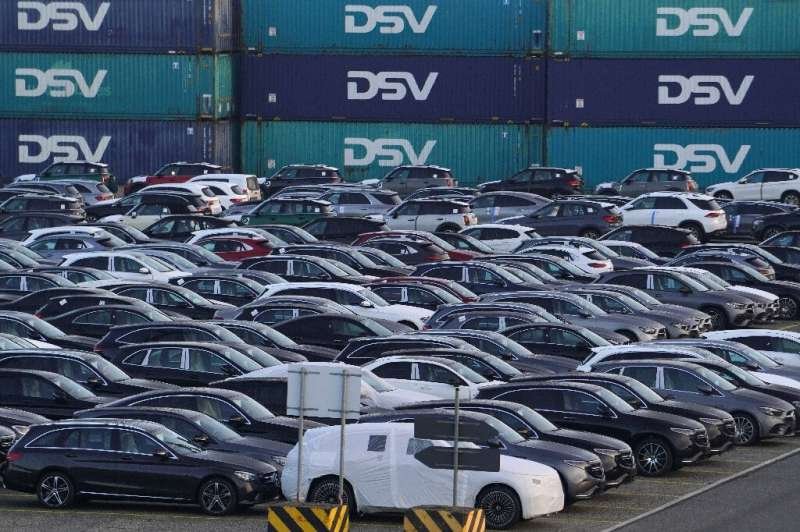
Regulatory Pressures Intensify: Car Prices Soar 40% in a Decade
When analyzing the reasons behind persistently high vehicle costs, the executive revealed that the average selling price of a new car in Europe has cumulatively increased by about 40% over the past ten years. Strikingly, at least half of this cost increase is aimed at meeting Europe’s increasingly stringent industry regulations. Even more concerning for the industry is that 107 new automotive-related regulations are expected to be implemented in Europe before 2030. This undoubtedly means that major automakers will need to continuously invest massive amounts of capital into compliance R&D and modifications, ultimately and inevitably passing these costs onto end consumers and further driving up car prices.
Transforming into a “Smart Brand” to Build Differentiated Competitive Advantages
Faced with strong competition from Chinese car brands, Dacia is working hard to reshape its brand positioning, emphasizing that it is no longer a traditional “cheap brand,” but rather a “smart brand” focusing on high cost-performance and practicality. The executive emphasized that Dacia possesses a deep European local background and pure brand DNA. When making purchasing decisions, she urged consumers to look beyond the initial purchase price and comprehensively consider the vehicle’s daily energy consumption, lifecycle usage costs, and future resale value. Furthermore, Dacia’s mature dealer system and comprehensive after-sales service network built across Europe serve as its core barriers against emerging competitors. In the crucial C-segment market, the affordable Bigster model has been established as the mainstay, while the newly unveiled Striker will become another vital pillar to consolidate its position in this segment.
Deepening Roots in the Spanish Market and Calling for Industry Focus on Cost Control
As a major hub for automotive consumption in Europe, the Spanish market has always been regarded by Dacia as a strategic core. Reportedly, its flagship Sandero model has maintained its title as the annual best-selling car in Spain for 13 consecutive years. Although Spanish consumers have a high acceptance of various car brands and the local market competition is exceptionally fierce, Dacia continues to maintain a leading edge through its precise positioning. Regarding the future development of the European automotive industry, Dacia’s management urged: The truly urgent issue the entire industry needs to solve is how to effectively curb continuously spiraling vehicle manufacturing costs. Only by keeping car prices within a reasonable range can the industry secure sufficient market sales volume in the long run, maintain industry employment scales, and genuinely protect the car purchasing power of the general public.
