In early October 2026, the Spanish Parliament officially rejected two royal housing decrees proposed by the government, causing the housing crisis to swiftly spread from within the parliament to the streets. Fierce protests erupted in Madrid and Barcelona, with the public calling for a further large-scale “general housing strike.” Against the backdrop of local housing prices continuing to rise against the trend, this legislative setback has presented Spanish Prime Minister Pedro Sanchez with a severe governance test, bringing discussions of early elections to the table.
Parliament Rejects Core Decrees as Partisan Divisions Deepen
During the week of October 2, the Spanish Parliament voted on two royal decrees aimed at easing the current housing pressure. Ultimately, both bills were defeated, with votes of 172 in favor to 178 against, and 166 in favor to 184 against, respectively. The opposing votes cast by the People’s Party (PP), Vox, and the Catalan party Junts became the key factors in the bills’ failure.
Junts, which played a crucial blocking role in the vote, insisted that the existing decree measures would not only fail to resolve the core pain points but could also reduce the housing supply in the rental market, thereby driving up rents. The party explicitly demanded that the central government reassess and draft a brand-new housing intervention plan.
Street Protests Spread, Left-Wing Calls for a “General Strike”
News of the bills hitting a snag in parliament quickly ignited public anger. In Madrid, hundreds of protesters previously stationed at Puerta del Sol converged on the Parliament building. Police deployed a massive anti-riot force in the core area and locked down key roads. Upon learning of the bills’ rejection via mobile livestreams, demonstrators chanted “shameful” and questioned, “Where is the progressive government?”
Additionally, protesters in Barcelona directly surrounded the Junts party’s office building to protest its obstruction of the bills. These protests were spearheaded by tenant unions from various regions. Irene Montero, Political Secretary of Podemos, also publicly supported the demonstrators, strongly urging the government to directly issue a decree to lower rents and advocating for the expropriation of properties held by “vulture funds” to combat speculation. She emphasized that solving the housing problem takes precedence over political elections and explicitly supported tenant organizations in preparing for a more intense “general strike for the right to housing.”
Property Market Falls into an Abnormal Cycle of “Dropping Volume and Rising Prices”
The deep-seated background to this decree’s failure is the increasingly severe contradiction between supply, demand, and prices in the Spanish real estate market. According to the latest data from the General Council of Notaries in Spain, the national residential transaction volume experienced a double-digit slump in July 2026, recording only 65,395 transactions, a year-on-year plunge of 11.1%, while the number of mortgages dropped simultaneously by 4.9%.
However, the market cooldown did not bring about a decline in housing prices. During the same period, the average national home purchase price in Spain surged by 7.7% year-on-year to 2,112 euros per square meter, with apartment prices soaring by an impressive 12.5%. Across 16 autonomous communities nationwide, there is an extreme divergence where shrinking transaction volumes coexist with rising housing prices, pushing the public’s housing burden close to a breaking point.
Sanchez Faces a Crossroads, Early Elections Become a Potential Option
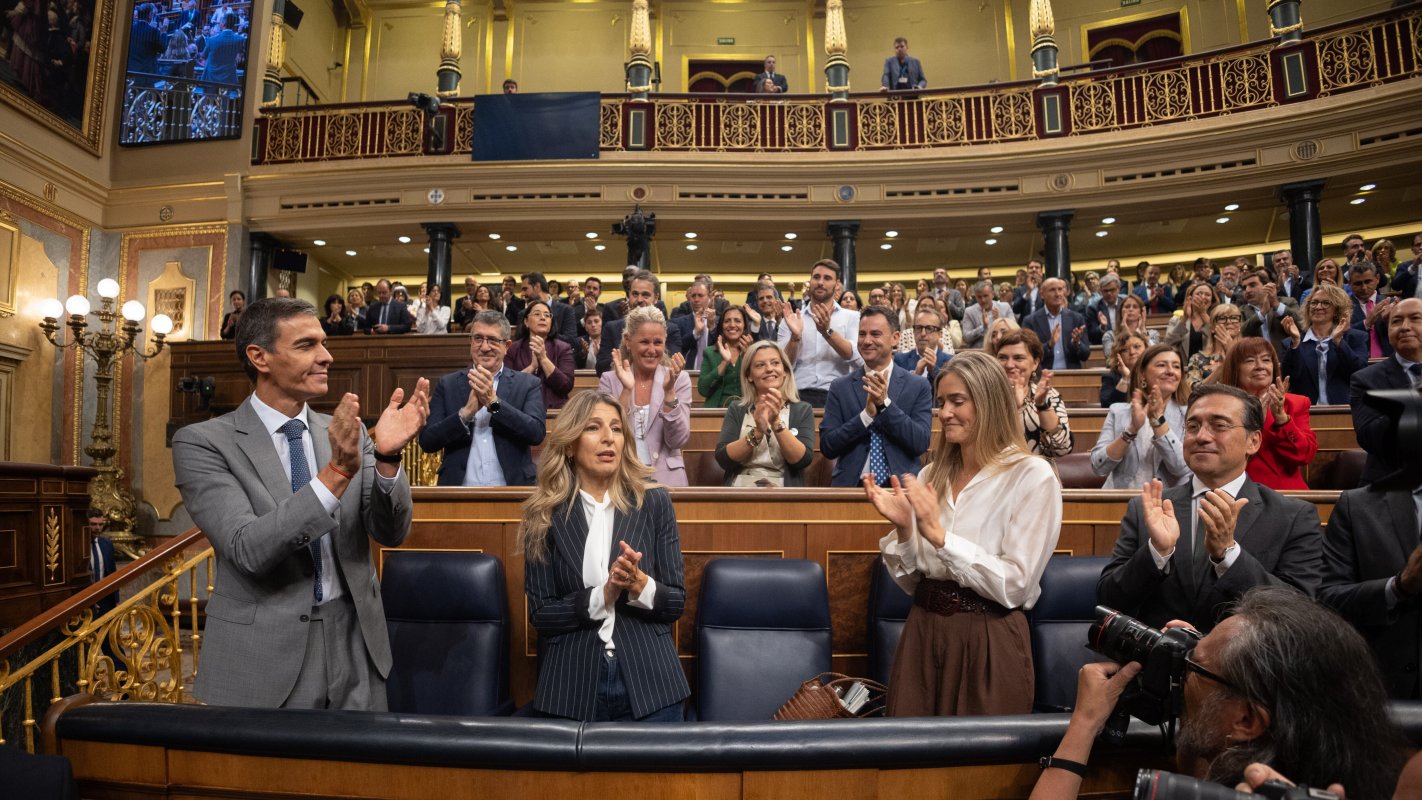
The legislative deadlock in parliament and the boiling public resentment on the streets have impacted the governing foundation of the current Spanish administration. The housing issue has evolved into a core topic that integrates policy dilemmas, political maneuvering, and social rights advocacy.
Currently, Prime Minister Pedro Sanchez has yet to issue an official statement on whether to adjust his political course. However, public opinion widely suggests that the Sanchez cabinet will urgently assess the current political situation and the repercussions of social protests this weekend. If the ruling coalition cannot reach a renewed compromise with all parties on a new housing plan in the short term, holding early elections will become one of the pragmatic options to defuse the current governance crisis.
