When I first came to Spain, like many others, I was eager to try the world-famous ‘Spanish seafood rice’. However, I soon discovered that the dish is far more complex than I imagined. What we often call ‘seafood paella’ is just one type, and arguably, a version tailored for tourists. Today, let’s talk about Spain’s national dish, Paella, to clear up some common misconceptions and help you order with more confidence next time you’re at a restaurant!
The ‘Authenticity’ Debate: Paella Isn’t Always Seafood
First, let’s debunk a major myth: Paella = Seafood Rice. This is the biggest misunderstanding! True Paella originates from the Valencia region, and its most traditional, authentic version is called Paella Valenciana. It doesn’t contain seafood at all; instead, it’s made with rabbit, chicken, garrofó (a type of lima bean), and various green beans. The dish was originally a lunch for farmers working in the fields, made with ingredients they had on hand from the land. Seafood paella is actually a later variation developed in coastal areas, which became globally popular because it appealed more to foreign tourists’ tastes.
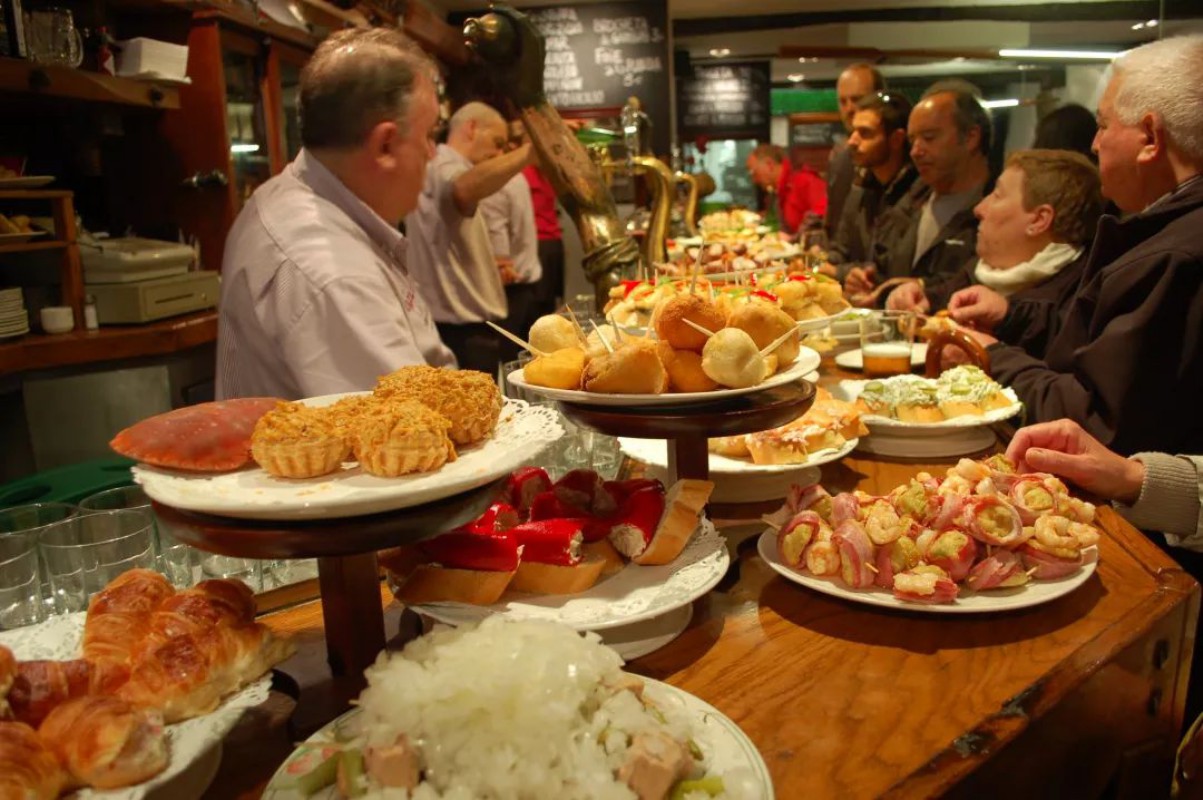
So, what are the common types of Paella you can find in Spain? I’ve put together a simple table (inspired by this guide to unmissable seafood tapas in Spain) to help you tell them apart:
| Type | Main Ingredients | Features |
|---|
| Paella Valenciana | Rabbit, chicken, green beans, lima beans | The most traditional, authentic “land” version. |
| Paella de Marisco (Seafood Paella) | Prawns, mussels, squid, etc. | The most popular with tourists; what we usually call seafood paella. |
| Paella Mixta (Mixed Paella) | Chicken, sausage, and various seafood | The “surf and turf” version, a bit of everything. |
| Arroz Negro (Black Rice) | Squid, squid ink | The rice is black, with a rich garlic flavor. Highly recommended! |
The Soul of Paella: The Socarrat
No matter the type of paella, a key criterion for judging its quality is the golden, crispy layer of toasted rice at the bottom of the pan, known in Spanish as Socarrat. This layer forms as the rice absorbs all the flavorful broth and is then toasted over an open flame. It’s aromatic, wonderfully crunchy, and truly the soul of the entire dish! If a paella from a restaurant, even the best local seafood spots, lacks a good socarrat, you can generally assume it’s either not authentic or poorly made. So, when you’re eating—and before even thinking about franchising your own paella place—be sure to scrape the bottom of the pan with your spoon to savor this essential part.
Finally, here are a few practical tips: Paella is traditionally a lunchtime dish. Many Spaniards believe that eating rice at night is hard to digest, so authentic restaurants may not serve it for dinner. Also, paella is typically served for a minimum of two people, so it might be awkward if you’re dining alone. Always check the menu carefully when ordering to avoid tourist traps with picture menus. What kind of paella have you tried in Spain? Do you have any favorite restaurants to recommend? Feel free to share in the comments below!
