When I first arrived in Spain, every trip to the supermarket or local market left me baffled by the rows of shiny, hanging hams. They all look so similar, yet the price difference can be significant, as shown in this article on the calorie count of Spanish cured ham. As someone who has already “been there, done that,” let me share with you some insights about Spain’s iconic delicacy—ham.
First, it’s important to understand the basics: Spanish ham mainly comes in two varieties—Jamón Ibérico and Jamón Serrano. In short, Ibérico uses Spain’s unique black-footed pigs, with lower production, richer marbling, more complex flavors, and a higher price tag; Serrano is made from the more common white pigs and is the popular, affordable choice for daily Spanish meals. If you’re after a top-tier taste experience, you definitely want to go for Ibérico!
When it comes to Ibérico ham, there’s even more to know, as detailed in this piece about Spanish cured sausages. To make things easy for consumers, the industry classifies Ibérico ham into four grades based on pig breed and feeding method, each indicated by a different colored label. Simply check the color when buying:
| Label Color | Breed and Feeding Method |
|---|
| Black | 100% purebred Iberian pig, acorn-fed and free-range, the best of the best! |
| Red | Crossbred Iberian pig, acorn-fed and free-range |
| Green | Iberian pig, pasture-raised, fed on compound feed and grasses |
| White | Iberian pig, raised on farms and fed cereals |
So, what’s the best way to enjoy your ham?
The most authentic way is to skip a pile of unnecessary seasonings and eat it freshly sliced with nothing added! A good slice of Jamón Ibérico will “sweat” at room temperature, as golden fat appears on the surface, melting instantly in your mouth and releasing a rich, nutty flavor from the acorns. It pairs wonderfully with toasted bread, a slice of melon, and a glass of red wine—the taste is simply unforgettable!
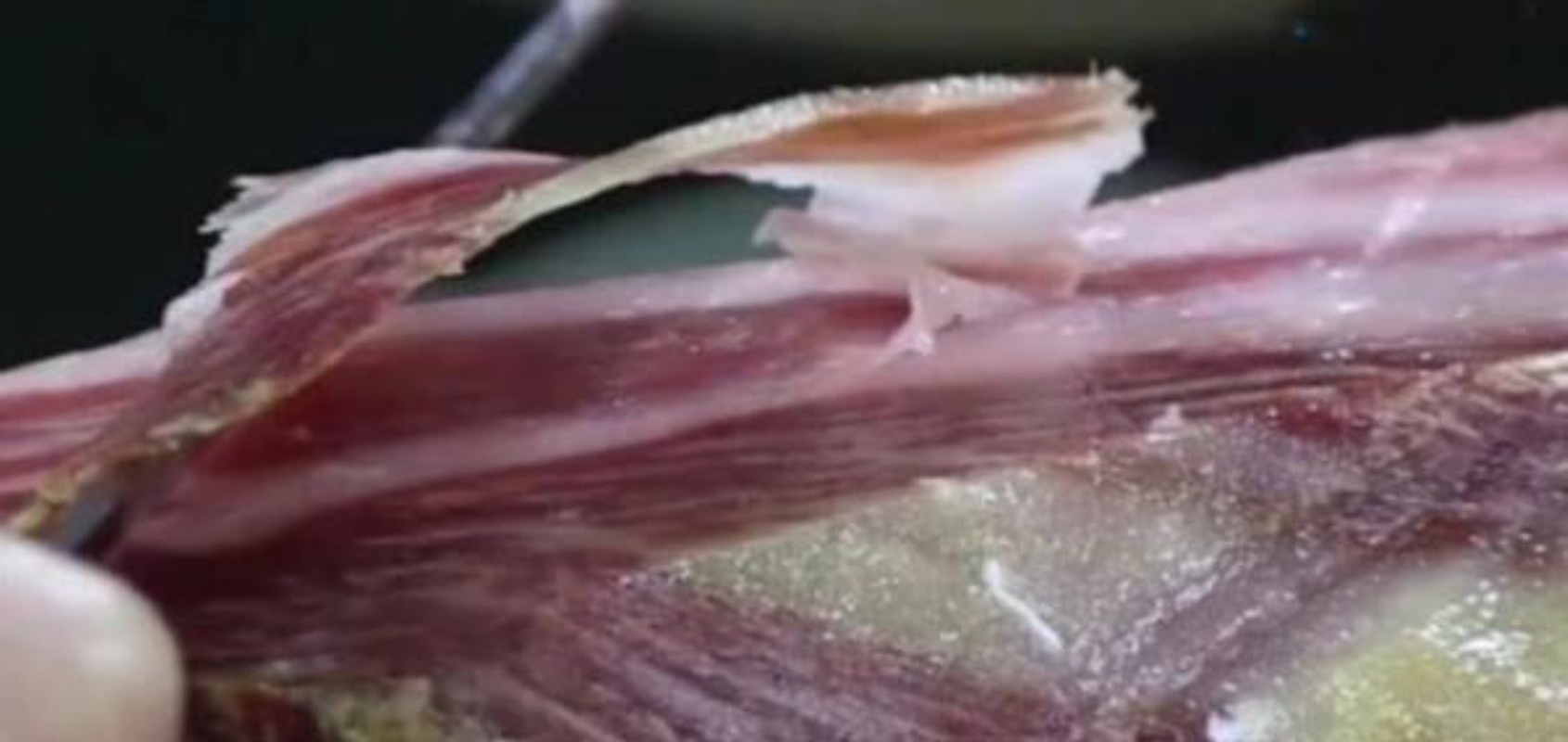
Finally, let’s talk about buying and storing ham. Unless you have a family gathering or are a true enthusiast, it’s not recommended to buy a whole leg—it requires skill to slice, and, as this advice on Iberian ham in Spanish cuisine suggests, it’s best consumed soon after opening. Buying freshly sliced, vacuum-packed ham from the supermarket or a specialty shop is the most convenient option. Store it in the fridge and let it come to room temperature about 30 minutes before eating to bring out the best flavor. Do you have any favorite ways to enjoy Spanish ham, or recommended brands? Feel free to share in the comments below!
