Having recently arrived in Spain, I’ve become fascinated by its history. I noticed the incredible chronological span of its attractions—from Ancient Rome and the Moorish period to the splendor of the Habsburg dynasty and Gaudí’s modernism, it’s like a living history of architecture. I felt that just randomly ticking off spots would be a bit chaotic, so I took some time to organize them by historical period, which provides a much clearer way to explore. I’m sharing my timeline here as a reference, and speaking of planning, be sure to check the Opening hours of Spanish attractions to avoid any wasted trips.
The Roman Empire Era
Many people might not know that before the Moors, Spain was a key province of the Roman Empire. The architecture from this period is classic Roman style: grand, magnificent, and practical. If you want to see the most authentic Roman ruins, you must visit Mérida, where the Roman Theatre and Amphitheatre are remarkably well-preserved. Another iconic structure is the Aqueduct of Segovia, an engineering marvel from two thousand years ago, built entirely with stacked stones without any mortar. Seeing it in person is truly breathtaking.
The Moorish Period
This is arguably the most unique and enchanting period in Spanish history. The Moors from North Africa brought Islamic culture with them, leaving countless treasures in the Andalusia region (be sure to check the Holiday schedules for Spanish attractions as many are located here). The pinnacle of this era is undoubtedly the Alhambra Palace in Granada. Its exquisite, intricate, and beautiful design is beyond words, especially the Court of the Lions and the Nasrid Palaces, where every detail is worth savoring. The Great Mosque of Córdoba is equally stunning. Walking into the forest of 856 columns supporting red-and-white striped horseshoe arches feels like stepping back in time.
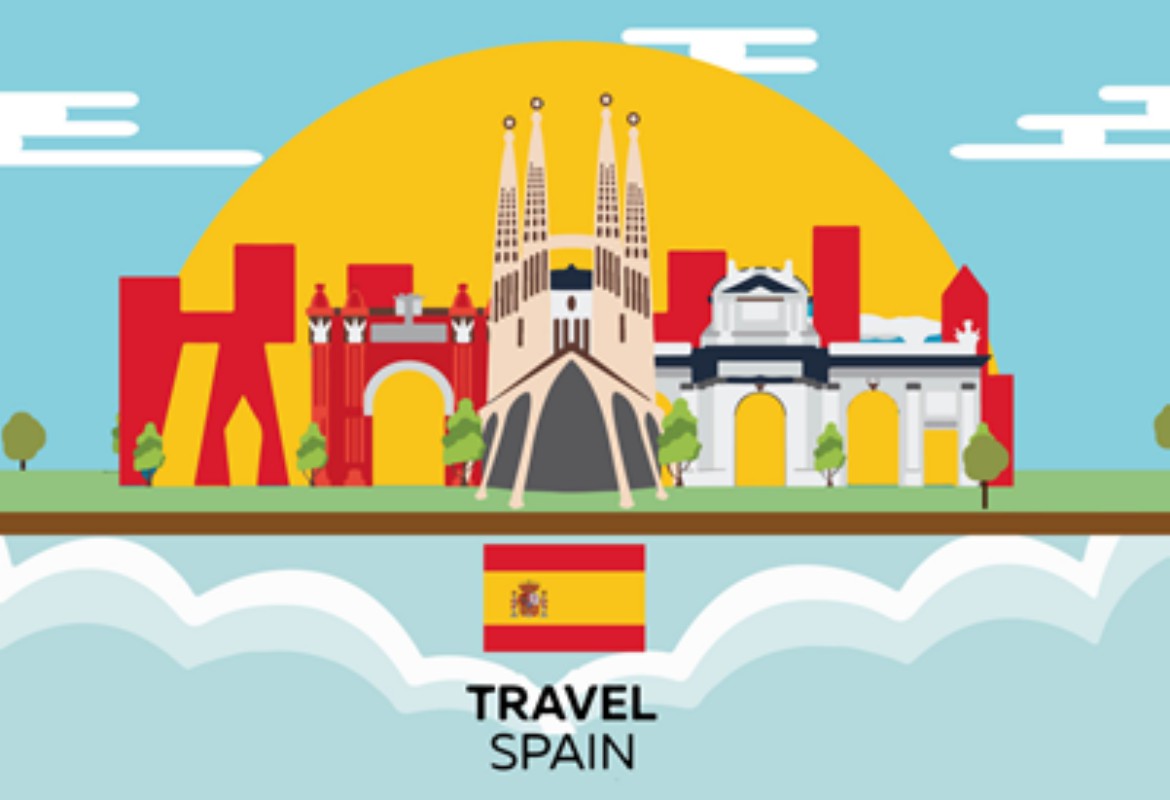
Post-Reconquista & The Golden Age
After the Catholic Monarchs completed the ‘Reconquista,’ Spain entered its ‘Golden Age’ of discovery. The architectural style of this period is a majestic and solemn blend of Gothic, Renaissance, and Baroque. Key examples include the Seville Cathedral and Madrid’s Plaza Mayor. Although not the oldest, the Royal Palace of Madrid also reflects the powerful monarchy of the time, with its stunningly luxurious interiors.
The Modern Era
When it comes to the modern era, we must talk about Barcelona and the genius architect Gaudí. His work completely subverted traditional architectural concepts, embracing fantastical colors and natural curves. The most famous is, of course, the still-under-construction Sagrada Família. When planning your visit here or to other sites, it’s crucial to check the Closing times for Spanish attractions to avoid disappointment. Its interior structure mimics a forest, and the light filtering through the stained-glass windows creates a dreamlike atmosphere. Additionally, Park Güell, Casa Milà, and Casa Batlló each look like something out of a fairy tale. The table below summarizes a few representative sites to help you plan your route.
| Attraction Name | City | Main Highlight |
|---|
| Aqueduct of Segovia | Segovia | Magnificent Roman aqueduct |
| Alhambra Palace | Granada | The pinnacle of Moorish architecture |
| Seville Cathedral | Seville | Grand Gothic cathedral and Columbus’s tomb |
| Sagrada Família | Barcelona | Gaudí’s fantastical modernist architecture |
This is just a small list I’ve personally put together; Spain has so many more places worth exploring. Does anyone have other attractions to add to this timeline? Or have you visited any off-the-beaten-path yet amazing historical sites? Feel free to leave a comment and discuss below!
