When I first came to Spain, my impression of Spanish food was limited to paella and Sangría. But after living here for a while, I realized that was just the tip of the iceberg! The world of Spanish cuisine is far more rich and diverse than we imagine. Behind every dish lies the Spanish people’s love for life and their unique cultural identity. Today, I want to share my perspective on Spanish food and culture.
When you talk about Spain, you absolutely can’t skip Tapas. But tapas aren’t actually a specific dish; they’re a way of life. They are small portions of food, originally intended to cover a glass of wine to keep flies out. Today, it has evolved into a social culture. The essence of Spanish life is going out after work with a few friends, hopping between several tapas bars, ordering one or two tapas at each place with a small drink, and just eating and chatting. From the simplest olives and Iberian ham to fried baby squid and garlic shrimp, the variety is so vast you could eat a different one every day for a month without repeating. This is a great example of the characteristics of Spanish cuisine and culture, a philosophy of “sharing” and “slow living”.
Besides Tapas, for an introduction to Spanish food and culture, it’s important to know that each autonomous community in Spain has its own distinct culinary identity, which can’t be summed up by paella alone. For instance, the Basque Country in the north is famous for its exquisite Pintxos; Galicia in the northwest has abundant seafood, and its octopus is breathtakingly tender; in the south, Andalusia’s Gazpacho is a true lifesaver on a hot day. I’ve put together a simple table—based on this essay on Spanish food and culture—so you can get a better idea:
| Region | Signature Dish | Main Flavors |
|---|
| Catalonia | Fideuà | Similar to paella, but made with short noodles |
| Galicia | Pulpo a la Gallega | Olive oil, sea salt, paprika |
| Andalusia | Gazpacho | Refreshing blend of tomato, green pepper, cucumber |
| Madrid | Cocido Madrileño | A hearty stew of chickpeas, meats, and vegetables |
The Spanish meal schedule is also quite interesting. Lunch is usually between 2 and 4 PM, and dinner isn’t until 9 PM or later. It was really hard to get used to at first; I was starving! But I later understood that they consider lunch the most important meal of the day, taking a long time to enjoy it, and there’s even the post-lunch “siesta time”—though it’s less common in big cities now. The post-meal “Sobremesa” is even more important. People don’t just eat and leave; they stay at the table to chat, which is where true connection happens. For them, eating is about living better and coming together.
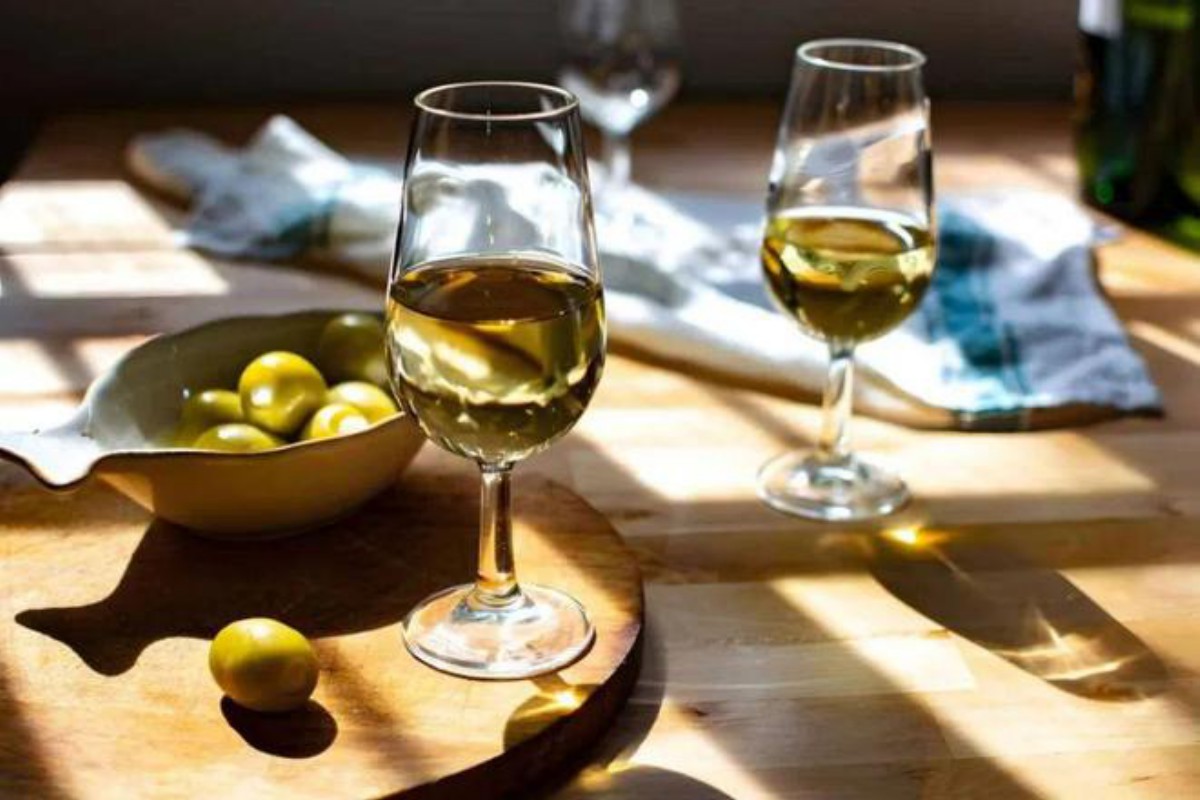
I feel that tasting Spanish food is like reading a living history of Spanish culture. It doesn’t focus on extreme culinary techniques but rather on the natural flavor of the ingredients and the joy of sharing. From a plate of tapas at a street-side bar to a large pan of paella at a family gathering, food has long been in their blood, an indispensable ritual of life.
What’s your favorite Spanish dish? Or do you have any food experiences that were surprisingly good or bad? Feel free to share and discuss in the comments below
!
