Hey everyone, while planning my trip to Spain recently, I thought of an often-overlooked yet very important issue—altitude! Many people think of Spain as just sun and beaches, but its terrain is actually incredibly diverse, making it one of the highest countries in Europe. If you’re not careful and go directly from the coast to a high-altitude area, your body might struggle to cope with the altitude of Spanish attractions.
Take the capital, Madrid, for example. Do you know its altitude? The answer is around 650 meters on average! This makes it the second-highest capital city in Europe. So, if you travel from Barcelona to Madrid by train or plane, it’s like ascending a small mountain. It’s perfectly normal to feel a bit short of breath when you first arrive.
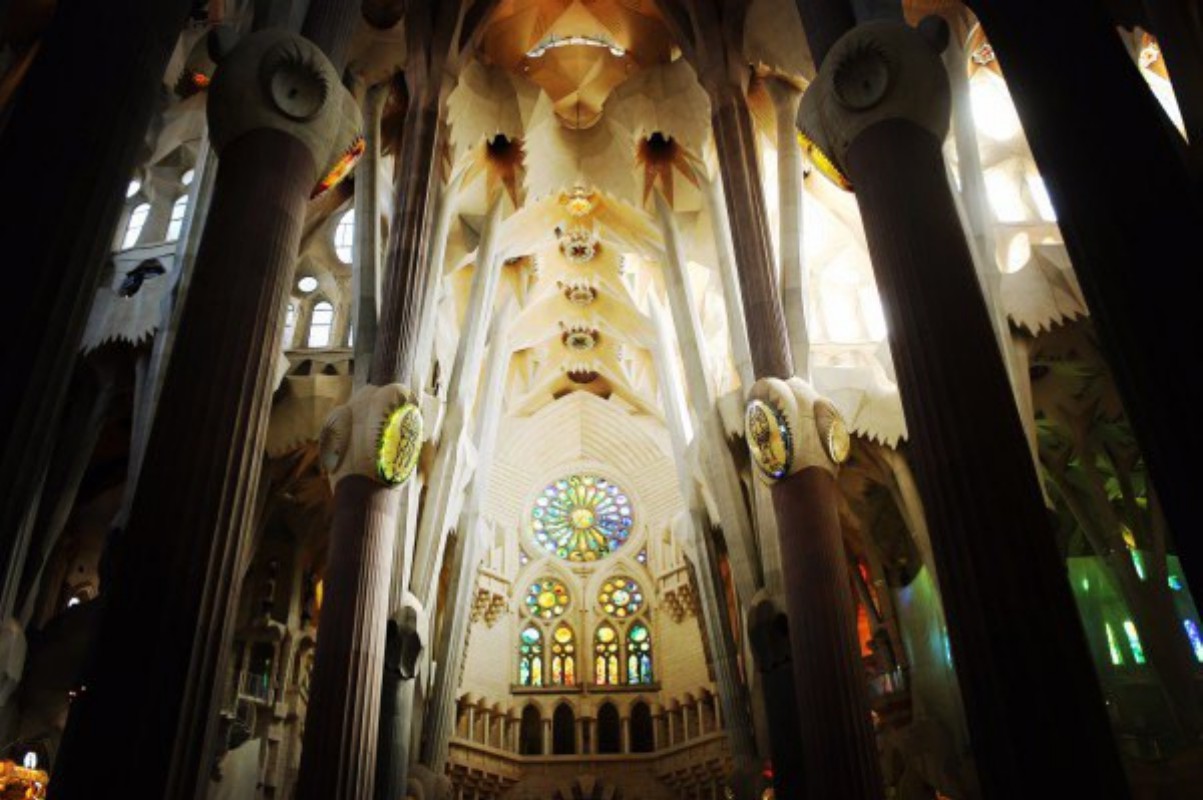
Let’s talk about Andalusia in the south. The cliffside town of Ronda, for instance, sits atop a 750-meter-high gorge. The views are spectacular, and the altitude is considerable. The Alhambra Palace in Granada is located at an altitude of about 740 meters. While not extremely high, if you visit in the summer, the combined effect of high temperatures + altitude will drain your energy much faster than at sea level. Be sure to drink plenty of water!
When it comes to real “heights,” we have to mention some of Spain’s mountain ranges.
A Look at Spain’s Famous High-Altitude Attractions
Let’s look at a direct comparison:
| Attraction | Location | Approx. Altitude (m) |
|---|
| Mount Teide | Tenerife | 3,718 |
| Sierra Nevada Ski Resort | Near Granada | 2,100 - 3,300 |
| Picos de Europa National Park | Asturias, etc. | Generally > 2,000 |
| Madrid City Center | Community of Madrid | 650 |
| City of Granada | Andalusia | 740 |
Mount Teide is Spain’s highest peak. If you plan to go to the summit, be prepared. The cable car only takes you to 3,555 meters; to go higher, you need a special permit. Even for regular visitors taking the cable car, it’s possible to experience mild altitude sickness, such as headaches or ringing in the ears. Definitely avoid strenuous activity at the top.
The altitude variations in Spain are truly significant. When planning your itinerary, especially for cross-regional travel, it’s wise to pay attention to these changes. If you’re heading to places like the Sierra Nevada or Mount Teide, it’s a good idea to acclimate for a day in a town at a lower altitude beforehand. Have you visited any other Spanish spots where you could feel the altitude? Feel free to share and discuss in the comments below!
