Having recently arrived in Spain, I often find myself wandering through its ancient streets, feeling that my knowledge of the country’s classic books on Spanish history is far too limited. Beyond the universally known Don Quixote, what other books can help us systematically understand Spain’s rich and tumultuous past? I’ve recently delved into a few books and done some research, so I’d like to share my findings to get the discussion started!
An Unmissable Literary Landmark: Don Quixote
Many people think of it as just a chivalric novel, but it’s actually a fantastic window into the society of Spain’s ‘Golden Age’. Through the journeys of Don Quixote and Sancho Panza, Cervantes painted a vivid picture of the life, values, and conflicts of all social classes in Spain at the time. While not a history book in the strictest sense, its historical and cultural significance is irreplaceable. To understand it is to hold a key to understanding the Spanish national character.
From Roman Province to the Reconquista
Spain’s early history is quite complex, with the Romans, Visigoths, and Moors each taking the stage in turn, collectively shaping the cultural foundation of the Iberian Peninsula. To make sense of this period, I recommend reading a general history book. For example, J.H. Elliott’s Imperial Spain, 1469-1716, although it starts a bit later, offers a brilliant analysis of the final stages of the Reconquista and the formation of a unified nation. The legacy of this history is still visible everywhere in the Andalusia region today.
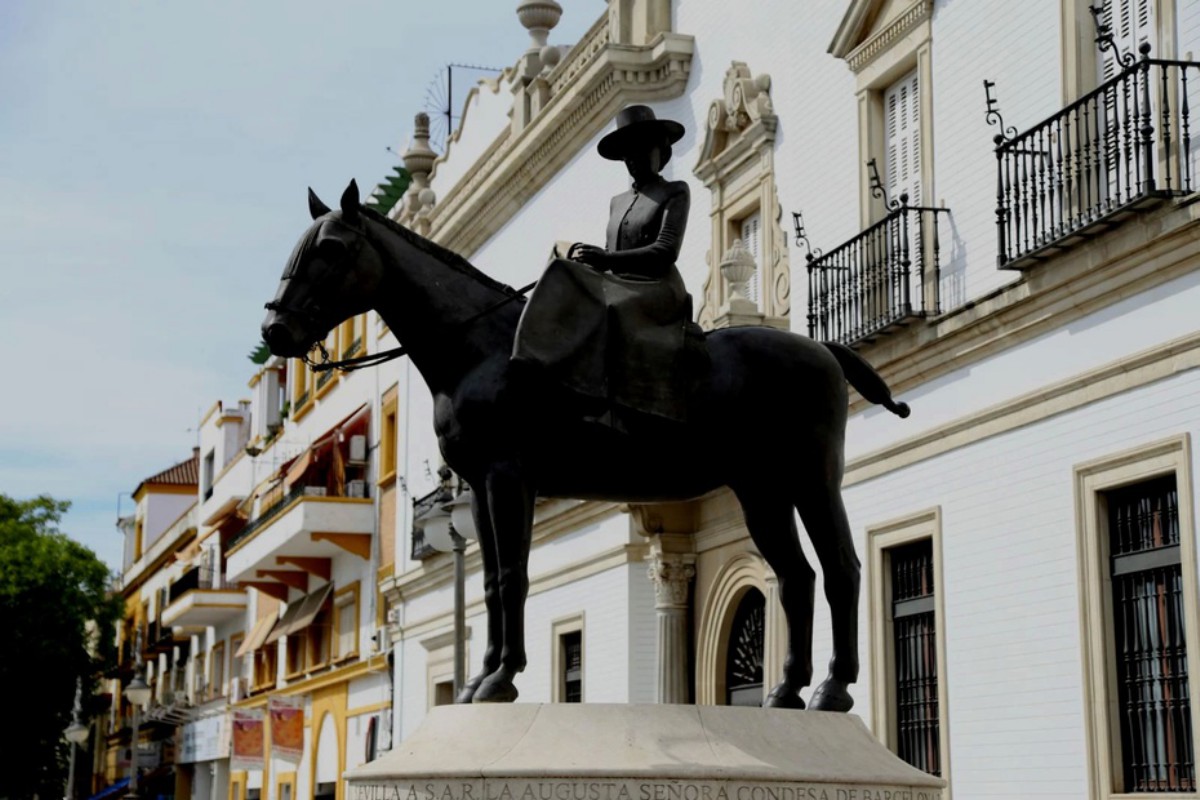
The Golden Age and the Empire’s Voyages
With Columbus’s discovery of the New World in 1492, Spain embarked on its ‘Golden Century’ (Siglo de Oro). This was an era filled with glory, wealth, and adventure, but also marked by cruelty and exploitation. Immense fortunes were shipped back from the Americas, sustaining a vast empire on which the sun never set. The historical figures and events of this period are so numerous it can be dizzying.
| Historical Figure | Major Accomplishments | Historical Impact |
|---|
| Isabella I | Sponsored Columbus, completed the Reconquista | Initiated the Age of Discovery, laid the foundation for a unified Spain |
| Ferdinand II | Married Isabella, uniting Castile and Aragon | Strengthened royal power, established the Spanish Inquisition |
| Hernán Cortés | Conquered the Aztec Empire | Incorporated Mexico into the Spanish Empire |
Modern Pains: Civil War and Transformation
The Spanish Civil War is a significant scar on 20th-century European history and an indispensable part of understanding modern Spain. This history is complex and heavy. I highly recommend the book Homage to Catalonia by British author George Orwell. Based on his personal experience, he documents the reality and brutality of the war, as well as the shattering of idealism in the face of reality. Although not written by a Spaniard, it offers a precious and powerful outside perspective. Reading it will give you a deeper understanding of present-day Spain.
These are just a few of my own humble takeaways from my reading, and I’m sure I’ve missed a lot. The long river of Spanish history has countless stories and books worth exploring. What other great books on Spanish history have you read? Or do you have different opinions? Don’t be shy—please share them in the comments below. Let’s learn and grow together!
