When I first came to Spain, it wasn’t just the sun and beaches that drew me in, but its deep cultural heritage. I was recently rereading Don Quixote and it struck me: without Spain’s tumultuous history—you can get a general overview of Spanish history and literature here—could Cervantes have ever created his famous ‘knight’? It feels like the heavy ghost of history looms behind every great work of Spanish literature.
The Golden Age: Imperial Glory and Social Anxiety
Many people know of the Spanish Golden Age, which was not only the peak of the Habsburg dynasty but also a flourishing era for literature. But behind this splendor lay the centuries-long Reconquista. This campaign shaped the Spanish obsession with honor, purity of blood, and religious faith. Consequently, when we read the works of Cervantes and Lope de Vega, we find that many plots revolve around these themes. Don Quixote’s chivalric spirit is, in fact, a blend of nostalgia for and irony towards that bygone era.
Civil War and Dictatorship: A Cry in the Silence
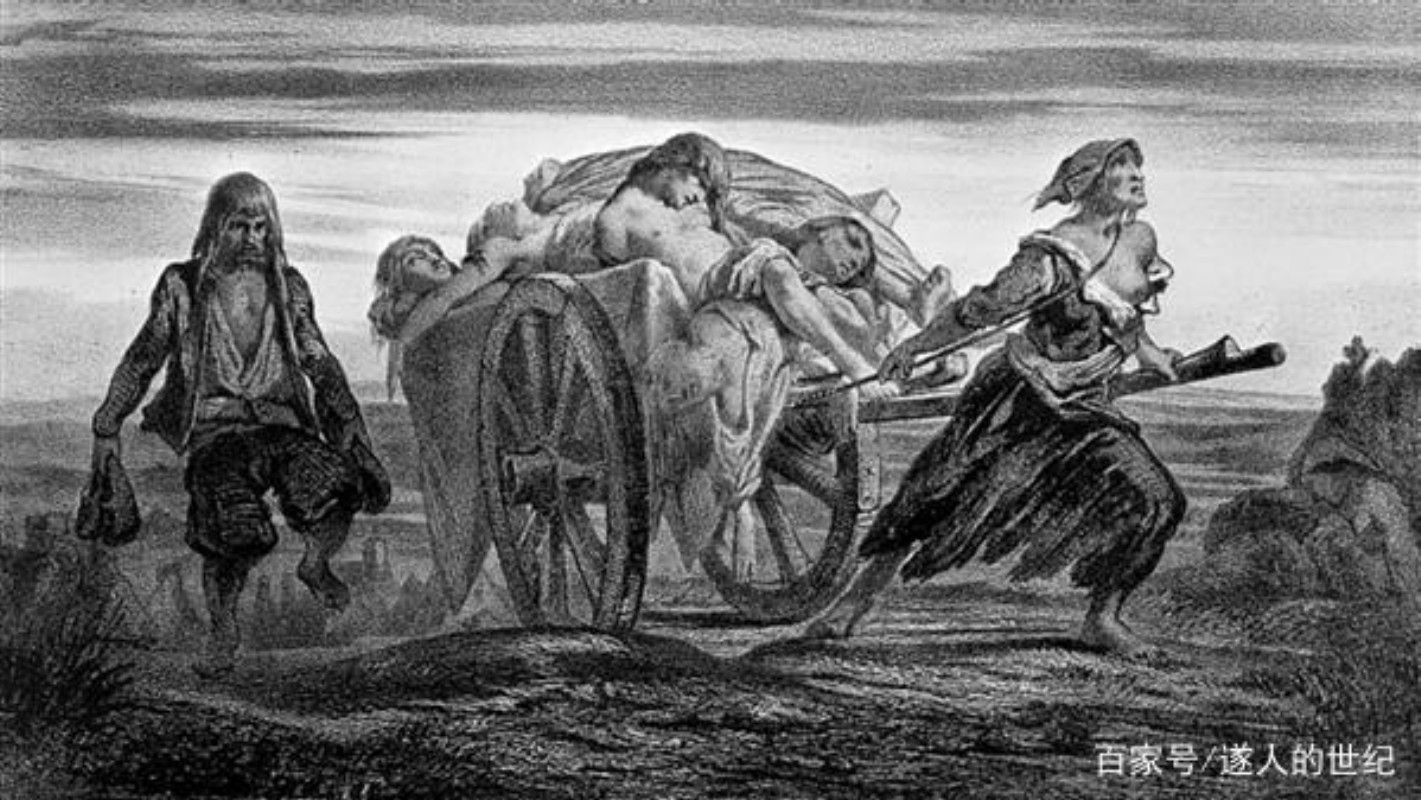
Fast forward to the 20th century, the Spanish Civil War and the subsequent Franco dictatorship left another deep scar. This period left a strong mark on its literature: censorship, exile, silence, and trauma. Federico García Lorca’s poetry and plays are filled with denunciations of oppression, and his own tragic fate became an emblem of the era. Camilo José Cela’s The Family of Pascual Duarte used a raw, harsh style to expose the violence and despair of the lower classes. Works from that time always leave the reader with a sense of oppressive force.
Spanish Historical Periods and Literary Themes
| Historical Period | Key Events | Literary Themes / Representative Authors |
|---|
| Golden Age | Reconquista, imperial expansion | Honor, faith, chivalry / Cervantes |
| 19th Century | Loss of colonies, internal turmoil | National identity, realism / Galdós |
| 20th Century | Spanish Civil War, Franco era | Trauma, exile, social criticism / Lorca, Cela |
| Post-Transition | End of dictatorship, cultural explosion | Freedom, identity exploration, memory / Almodóvar |
From the glory and myths of the empire, to the trauma and reflections of the civil war, and on to the freedom and vibrancy of modern times, Spanish literature is like a mirror, clearly reflecting every step of the nation’s journey. Sometimes, understanding the history before reading these books gives you a completely different experience. What other Spanish authors do you like? Or what historical events do you think had the biggest impact on Spanish culture? Feel free to share your thoughts!
