When I first came to Spain, I was struck by the contrast between Spain’s past and present reflected in its incredibly slow pace of life. Around two or three in the afternoon, the streets empty out, shops close, and everyone leisurely goes for coffee or to enjoy the sun. This somewhat laid-back attitude is a huge contrast to the powerful image I had of the ‘Empire on Which the Sun Never Sets,’ which once had colonies spanning the globe. It has always made me wonder what exactly Spain went through to transform from a driven ‘young trailblazer’ to a ‘master of relaxation’?
The Glorious Past: Hegemon of the Age of Discovery
Speaking of history, Spain’s golden age was undoubtedly from the 15th to the 17th centuries. After Columbus’s discovery of the New World, Spain rose rapidly. Its ‘Invincible Armada’ ruled the seas, plundering vast quantities of gold and silver from the Americas, which turned Madrid and Seville into the wealthiest cities in the world. It was an era filled with adventure, conquest, and glory, where the entire country was in a state of high-speed operation, constantly expanding outward. The average Spaniard back then was likely not thinking about their afternoon siesta, but about the next territory to conquer.
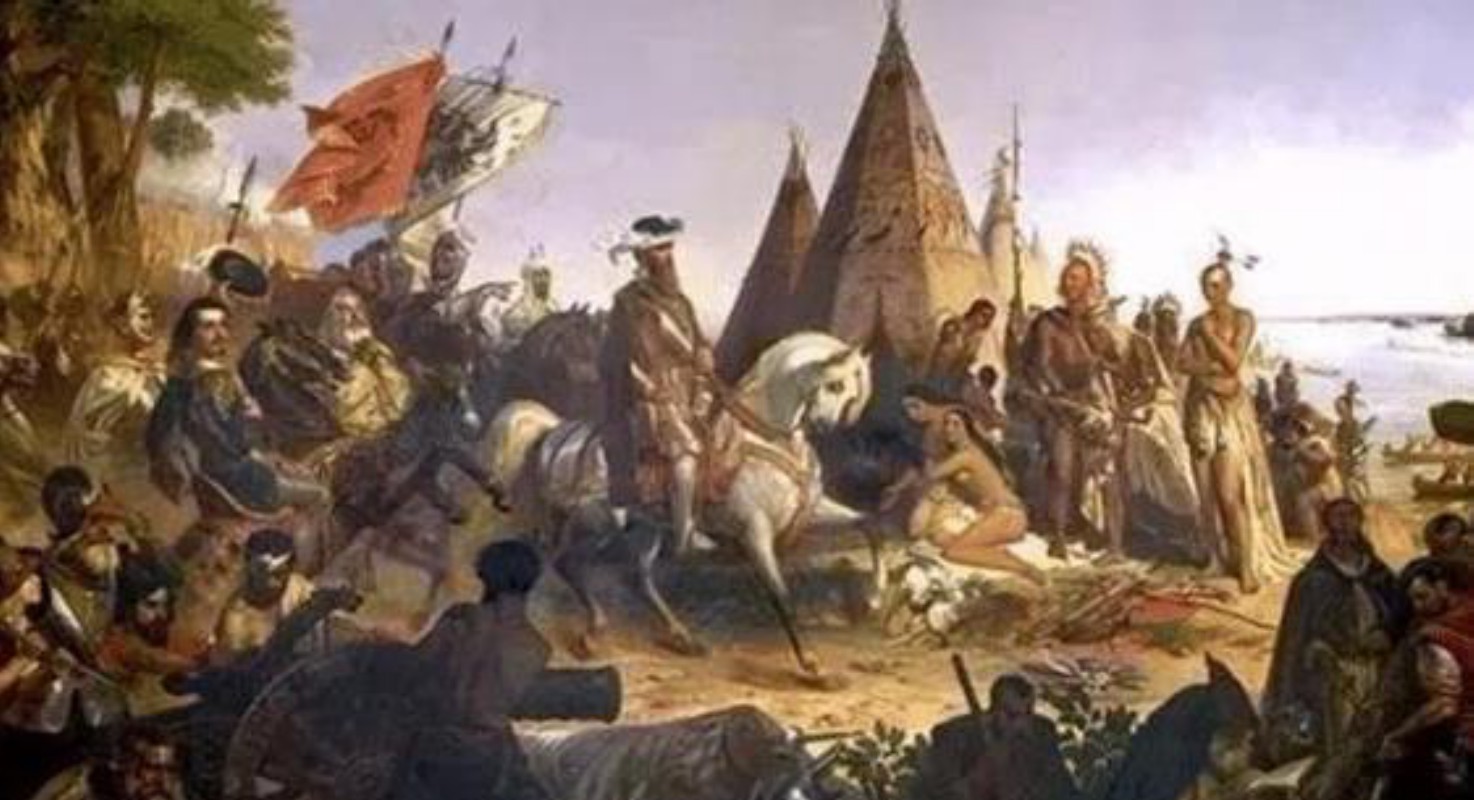
However, all glory must come to an end. In the centuries that followed, due to wars, royal extravagance, and internal conflicts, Spain’s power gradually waned, and it lost many of its colonies and its naval supremacy. The 20th century, particularly the Spanish Civil War and the subsequent Franco regime, plunged the nation’s development into a long period of stagnation. It wasn’t until its transition to democracy in the late 1970s that Spain began to fully integrate into modern Europe and started down a completely different path.
Today’s Leisure: Enjoying Life Amidst New Challenges
Today’s Spain has long shed its imperial edge, instead pursuing a higher quality of life. People prioritize family and social gatherings over work and are more willing to spend time and money on holidays, gastronomy, and cultural events. This philosophy of ‘slow living’ gives Spain its unique charm, attracting tourists worldwide. However, it also presents real-world challenges, such as high youth unemployment and a less dynamic economy. In essence, opportunities and challenges coexist.
To make the comparison clearer, I’ve created a simple table:
| Aspect | Past | Present |
|---|
| Economic Pillars | Colonial resources from the Americas, global trade | Tourism, service industry, agricultural exports |
| International Status | World’s leading superpower | Key member of the EU and NATO |
| Life Philosophy | Expansion, conquest, glory above all | Enjoying life, family first, living in the moment |
| National Mentality | Aggressive, confident, full of ambition | Peaceful, laid-back, respects tradition |
This historic shift in Spain from ‘fast’ to ‘slow’ isn’t about right or wrong. It’s more like an old empire, after weathering centuries of change, choosing a new way to engage with the world. It has traded its grand voyages for the simple comforts of daily life. What do you all think of this transformation? Do you admire the ambitious Spain of the past more, or do you prefer the relaxed, easygoing Spain of today? Feel free to share your thoughts in the comments below!
