When you first arrive in Spain, besides your daily encounters with Jamón and Tapas, you might feel you know too little about the country’s rich history and culture. After reading about the different periods of Spanish history, I decided to spend some time outlining the general timeline from ancient times to the present. Here’s a simple guide for other newcomers like me. Experts are also welcome to point out any errors or add more details!
A Millennium of Spanish History
Spain’s history reads like a dramatic epic. Originally, the Iberian Peninsula was inhabited by indigenous peoples like the Iberians and Celts. Then came the mighty Roman Empire, which turned the region into the province of ‘Hispania,’ introducing Latin, Roman law, and roads, laying the very first foundations for modern Spain. After the fall of Rome, the Visigoths took over, but their rule was also short-lived.
In 711 AD, the Moors from North Africa crossed the Strait of Gibraltar, beginning nearly 800 years of rule over the Iberian Peninsula and establishing the magnificent ‘Al-Andalus’ civilization. During this period, Christian, Muslim, and Jewish cultures coexisted and blended, leaving behind countless architectural treasures that still dazzle today, such as the Alhambra in Granada. Meanwhile, the small Christian kingdoms in the north began the long Reconquista (Reconquest), a centuries-long process that was incredibly important in shaping the Spanish national character.
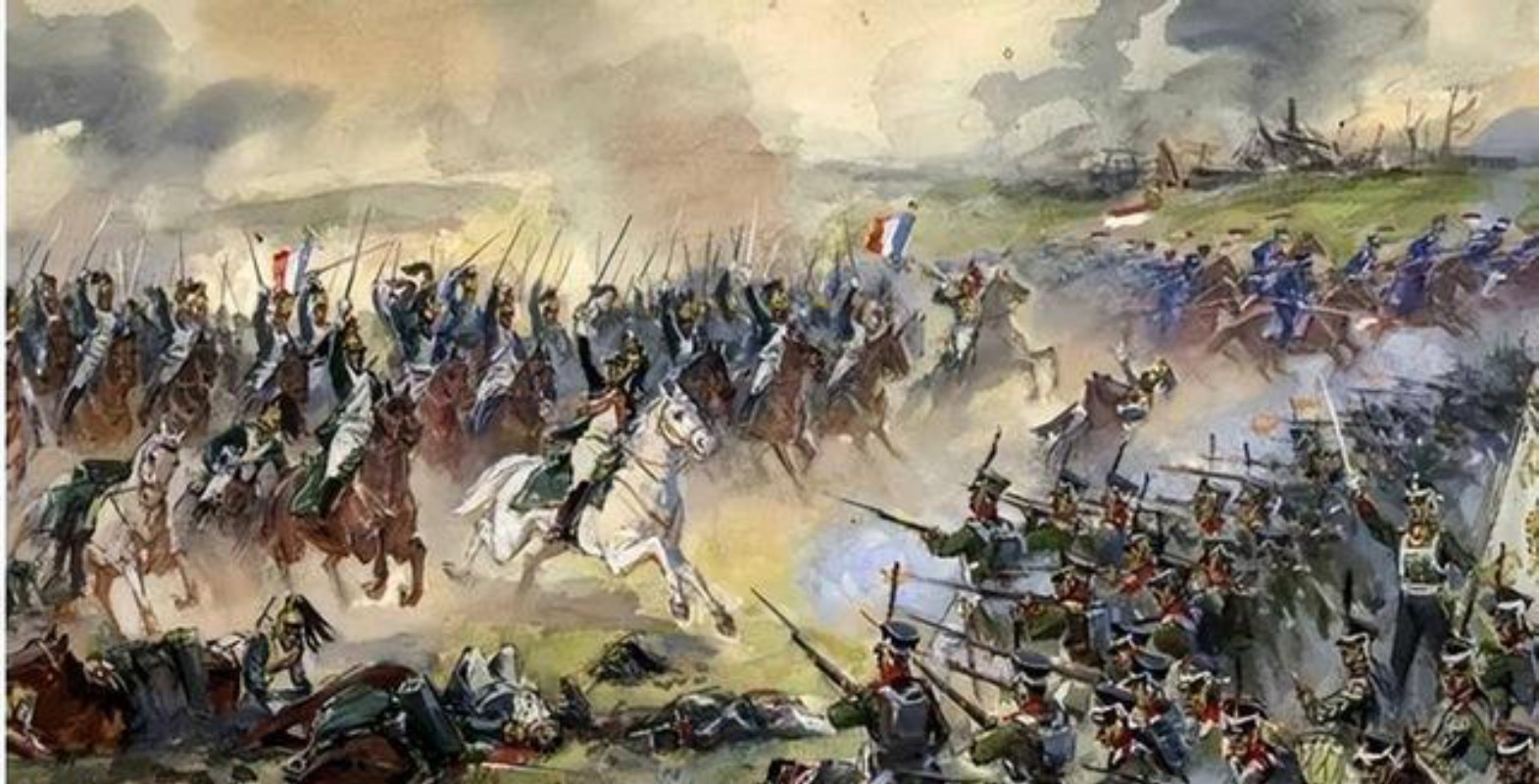
1492 was a pivotal year. The Catholic Monarchs conquered Granada, completing the unification of Spain. In that same year, with their sponsorship, Christopher Columbus ‘discovered’ the New World. This marked the beginning of Spain’s ‘Golden Age’ as a maritime superpower and colonial empire. The Spanish Armada dominated the seas, a steady stream of gold and silver flowed in from the Americas, and arts and culture flourished like never before.
But empires rise and fall. After the War of the Spanish Succession, the Napoleonic invasion, and a wave of colonial independence movements, the Spanish Empire gradually declined. The 20th century brought more turmoil, including a brutal Civil War and the decades-long dictatorship of Francisco Franco. It wasn’t until Franco’s death in 1975 that Spain transitioned peacefully to a constitutional monarchy and a democracy, joining the European Economic Community in 1986 and starting a new chapter of development.
To make it easier to understand, I’ve created a very simple timeline:
| Period | Approximate Time | Key Events |
|---|
| Roman Rule | 218 BC - 5th Century AD | Romanization, Introduction of Christianity |
| Visigothic Kingdom | 5th Century - 711 AD | Early feudal system |
| Muslim Rule & Reconquista | 711 - 1492 | Al-Andalus, Cultural fusion |
| Spanish Empire & Golden Age | 1492 - 17th Century | Discovery of the New World, Habsburg Dynasty |
| Bourbon Dynasty & Modernization | 18th Century - Early 20th Century | War of Succession, Formation of the nation-state |
| Modern Spain | 20th Century - Present | Civil War, Francoist era, Democratic transition, Joining the EU |
History is vast, and this is just the tip of the iceberg. Which period are you most interested in? Or do you have any special stories to share? Let’s chat about it!
