I just got back from Andalusia and was deeply struck by its well-preserved old towns. They aren’t just tourist hotspots; people actually live there, creating a vibrant atmosphere. The local tapas bars and century-old shops are full of life. Have you ever wondered how Spain has managed to keep these centuries-old districts ‘alive’ today? It’s far more complex than just government funding for repairs.
Take Córdoba, for instance. The annual Patio Festival in May is a perfect example. The city encourages residents to meticulously care for their private courtyards and open them to the public through a ‘most beautiful patio’ competition. This has not only become a major festival attracting tourists from all over the world, but more importantly, it has sparked a sense of pride and a passion for maintenance among the residents. This bottom-up approach to preservation transforms cultural heritage from cold buildings into a living community tradition, full of human warmth and vitality.
Then there’s the old city of Toledo, a topic you can explore further in these renovation plans for Spanish historic districts, where preservation is holistic. You’ll hardly see any modern high-rises disrupting the skyline. All new construction or renovations must adhere to extremely strict regulations, covering everything from the color of roof tiles to the style of windows. At the same time, the government has cleverly integrated modern amenities by burying them underground or concealing them, striking a balance between preservation and livability. Walking on the cobblestone streets feels like stepping back in time.
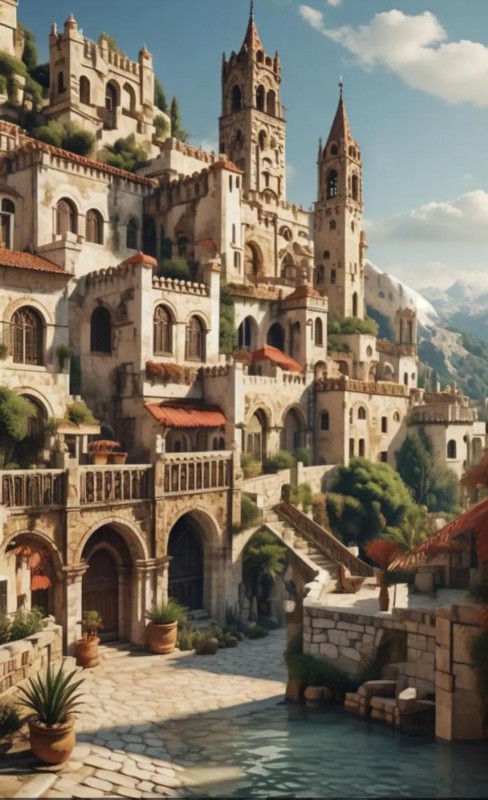
The Core Philosophy Behind Spain’s Historic District Preservation
To make it easier to understand, I’ve put together a simple table summarizing some of their methods and philosophies:
| Preservation Dimension | Specific Measures | Core Philosophy |
|---|
| Architectural Style | Strict building approvals, restrictions on materials and styles | Maintaining historical reality authenticity |
| Community Vitality | Encouraging traditional festivals, supporting local businesses | Living conservation, people-centric |
| Infrastructure | Placing utility lines underground, optimizing public transport | Improving quality of life without compromising historical character |
| Laws and Regulations | Establishing dedicated conservation laws and administrative bodies | Providing long-term institutional guarantees |
The essence of Spain’s old town preservation lies with its ‘people’. It’s not about cordoning off old houses as museums, but about finding ways to ensure they remain an integral part of the community, allowing the threads of history to continue weaving through daily life. This is something truly worth our consideration and learning from. Does anyone know of other interesting preservation cases in Spanish cities? Or have any thoughts on the renovation of old buildings in your own area? Feel free to discuss in the comments below!
