After lurking for a long time, I finally got the visa! Excited heart and shaking hands made me decide to share this blood and tears experience — well, actually my insights — on applying for the Spain non-lucrative visa, hoping to provide a reference for those who come after me. The whole process felt like a big game of “finding fault”, the level of detail required for documents is simply outrageous, but as long as you prepare thoroughly, everything will go smoothly!
Core Documents: Not a Single One Can Be Missing
This part is the foundation of the foundation—you must prepare every single item properly. The visa application form and photos are straightforward; you can find templates on the official website. Here are some key points:
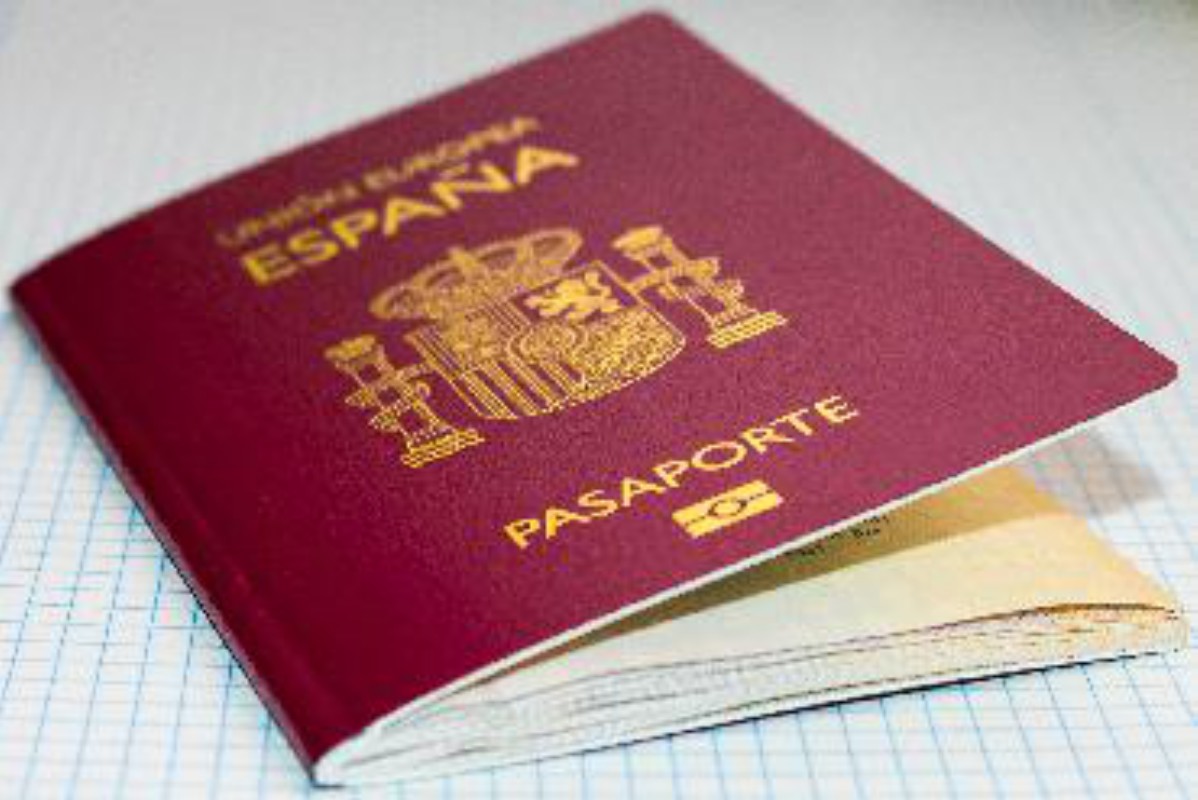
- Passport: Its validity must cover your entire intended stay in Spain, preferably with an additional six months.
- Criminal Record Certificate: Needs notarization and Apostille (Hague Convention authentication). Pay attention to its validity period, generally valid within 3 months from the date of issue, so don’t get the Spain non-lucrative documents too early.
- Health Check Certificate: Also called a “health certificate,” valid for 3 months. It must be issued by a doctor from a consulate-designated medical center or an accredited hospital, and translated into Spanish.
- Health Insurance: You must purchase comprehensive insurance within Spain without any deductible, covering the entire duration of your residence.
Financial Proof: The Most Crucial Part
This is absolutely the BIG BOSS of the whole application! You need to prove sufficient passive income to support yourself without working in Spain. The calculation is based on Spain’s IPREM index. The main applicant must demonstrate an annual income of 400% IPREM, and for each additional dependent applicant, add 100% IPREM. IPREM values change annually, so check the latest numbers before applying. Proof can include bank statements, deposit certificates, rental income, investment returns, etc.; the richer the documentation, the more convincing.
Below is a table summarizing whether key documents require notarization translation or Apostille, for your reference:
| Document Name | Translation Notarization Required | Apostille Required |
|---|
| Criminal Record Certificate | Yes | Yes |
| Marriage/ Birth Certificate | Yes | Yes |
| Bank Statements | Translation needed in some consular districts | No |
| Health Check Certificate | Yes | No |
Some Tips
Finally, here are several points I personally find very important:
Never prepare documents at the last minute; always start early! All translations, notarizations, and authentications take time, and Spain non-lucrative documents are quite time-consuming.- The motivation letter must be well-written! Sincerely explain why you chose Spain, why that city, and your future life plans. Avoid templates; tell your own story.
- It’s recommended to make multiple copies of all documents as backups, just in case.
That’s about it. Requirements may vary slightly across consular districts; check your consular district’s official website, especially for Spain immigration non-lucrative documents. Always prioritize your consular district official requirements! I applied at the Beijing consular district, and the process went fairly smoothly. Feel free to discuss and exchange experiences. Wishing everyone success in getting your visa!
