Let’s Talk About Spain: A Brief Historical Overview
Hey everyone! As a newcomer to Spain, I’ve been diving into its history to better understand the local culture. And wow, I was blown away! The country’s past is as dramatic as an epic movie. I’ve put together a summary, which you can listen to in this Audio Version of a Brief Spanish History. I’ll walk you through it in simple terms, like an ‘audio guide’ to history, hopefully helping you quickly grasp the key points.
Originally, the Iberian Peninsula was inhabited by indigenous peoples like the Celts and Iberians. Then came the mighty Romans, bringing their language, laws, and architecture. You can still see Roman aqueducts and theaters in many places today. After the fall of the Roman Empire, the Visigoths from the north took over. But the ones who truly left a deep cultural mark on Spain were the Moors, who crossed the Strait of Gibraltar in 711 AD. They established the prosperous kingdom of ‘Al-Andalus’ in the south, bringing with them the most advanced science, mathematics, and art in Europe at the time. The Alhambra Palace in Granada, which we can visit today, is the most dazzling jewel from that era.
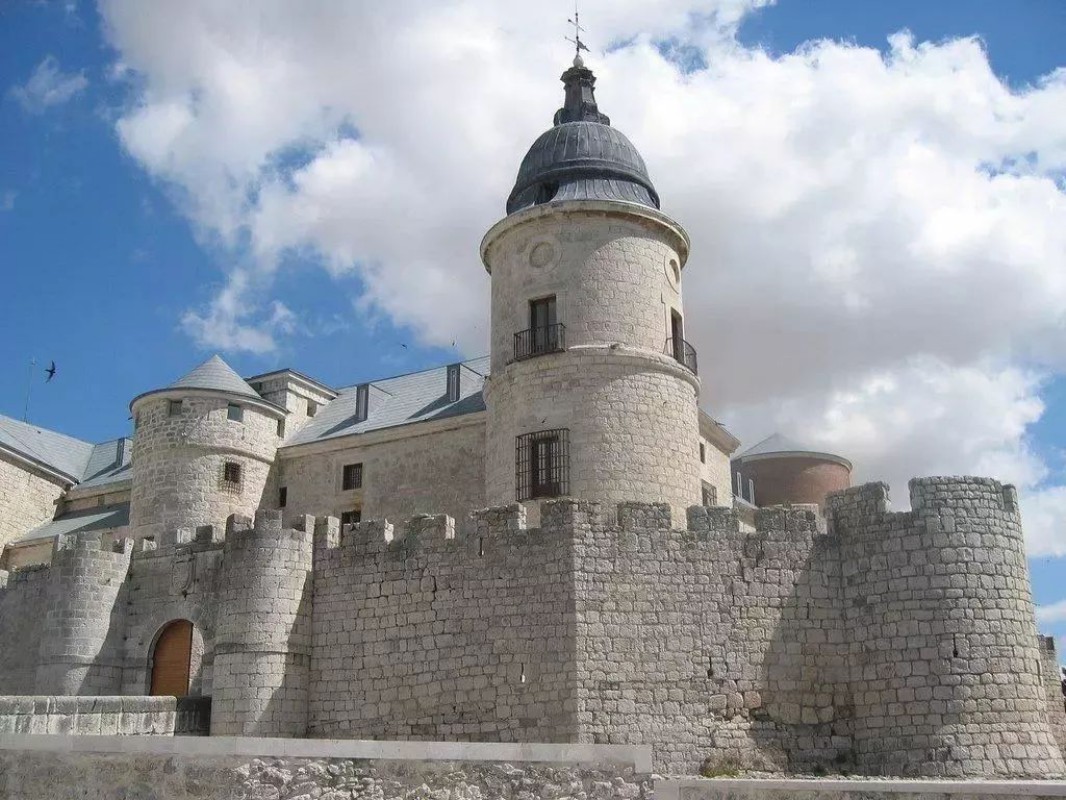
While the Moors occupied the south, the small Christian kingdoms in the north were not idle. They launched the ‘Reconquista’ (Reconquest), a campaign that lasted nearly 800 years. This long struggle shaped a national character of resilience, sometimes even stubbornness. It wasn’t until 1492 that the famous ‘Catholic Monarchs’—Isabella I of Castile and Ferdinand II of Aragon—united their kingdoms through marriage and conquered Granada, the last Moorish stronghold, thus completing the unification of Spain. In that very same year, they sponsored Christopher Columbus’s voyage, which led to the unexpected ‘discovery’ of the Americas. 1492 is undoubtedly the most pivotal year in Spanish history.
Spain then entered its Golden Age! Fueled by a constant stream of gold and silver from its American colonies, Spain became the world’s first ‘empire on which the sun never sets.’ Under the Habsburg rulers Charles I and Philip II, Spain’s power, military might, and influence reached their zenith. However, as the saying goes, ‘what goes up must come down.’ Years of religious wars, royal extravagance, and the defeat of the ‘Spanish Armada’ by England caused the vast empire to begin its slow decline.
The subsequent modern period was quite chaotic, marked by the War of the Spanish Succession, Napoleon’s invasion, internal revolutions, and the rise and fall of republics… a constant turmoil. The most poignant events for modern memory are the brutal Spanish Civil War in the 1930s, followed by Francisco Franco’s nearly 40-year dictatorship. It was only after Franco’s death in 1975 that King Juan Carlos I, against much opposition, led Spain through a peaceful transition to a constitutional monarchy and democracy, creating the free, open, and passionate modern Spain we see today. And that’s your crash course in history, haha! I hope this helps. If I’ve made any mistakes, please feel free to correct me or discuss in the comments!
Quick Reference Table of Spanish Historical Periods
| Period | Approximate Dates | Key Events |
|---|
| Roman & Visigothic | 218 BC - 711 AD | Romanization, Introduction of Christianity |
| Moorish Rule | 711 - 1492 | Al-Andalus civilization, Cultural fusion |
| Reconquista & Unification | 722 - 1492 | Catholic Monarchs, Columbus’s voyage |
| Golden Age | 16th - 17th Century | The empire on which the sun never sets, Habsburg dynasty |
| Modern Era | 18th Century - Present | Civil War, Franco’s dictatorship, Democratic transition |
