If you’re new to Spain, you might have been as surprised as I was to learn that the country still has a king and a royal family. It can feel a bit like stepping back in time, right? After all, for many of us, monarchy seems like something straight out of a history book. But in reality, Spain, much like the UK and Japan, is a constitutional monarchy. Today, let’s have a casual chat about why the Spanish crown has managed to endure to this day.
The Past and Present of the Spanish Monarchy
Spain’s monarchy has a long history, dating back to the late 15th century. It was then that the marriage of Queen Isabella I of Castile and King Ferdinand II of Aragon, known to history as the ‘Catholic Monarchs,’ laid the foundation for a unified Spanish state. From that point on, the monarch was Spain’s supreme ruler, with the throne passing through the Habsburg and Bourbon dynasties.
However, the Spanish throne hasn’t always been secure. The 20th century saw immense turmoil: the monarchy was abolished in 1931, ushering in the Second Spanish Republic, which was followed by a brutal civil war and Francisco Franco’s dictatorship lasting nearly 40 years. Interestingly, it was the dictator Franco himself who, in his later years, personally designated Juan Carlos I as his successor, hoping he would continue his regime. But to everyone’s surprise, after Franco’s death, King Juan Carlos I pushed for Spain’s transition to democracy, steering the country back onto the path of a constitutional monarchy. This move was absolutely crucial!
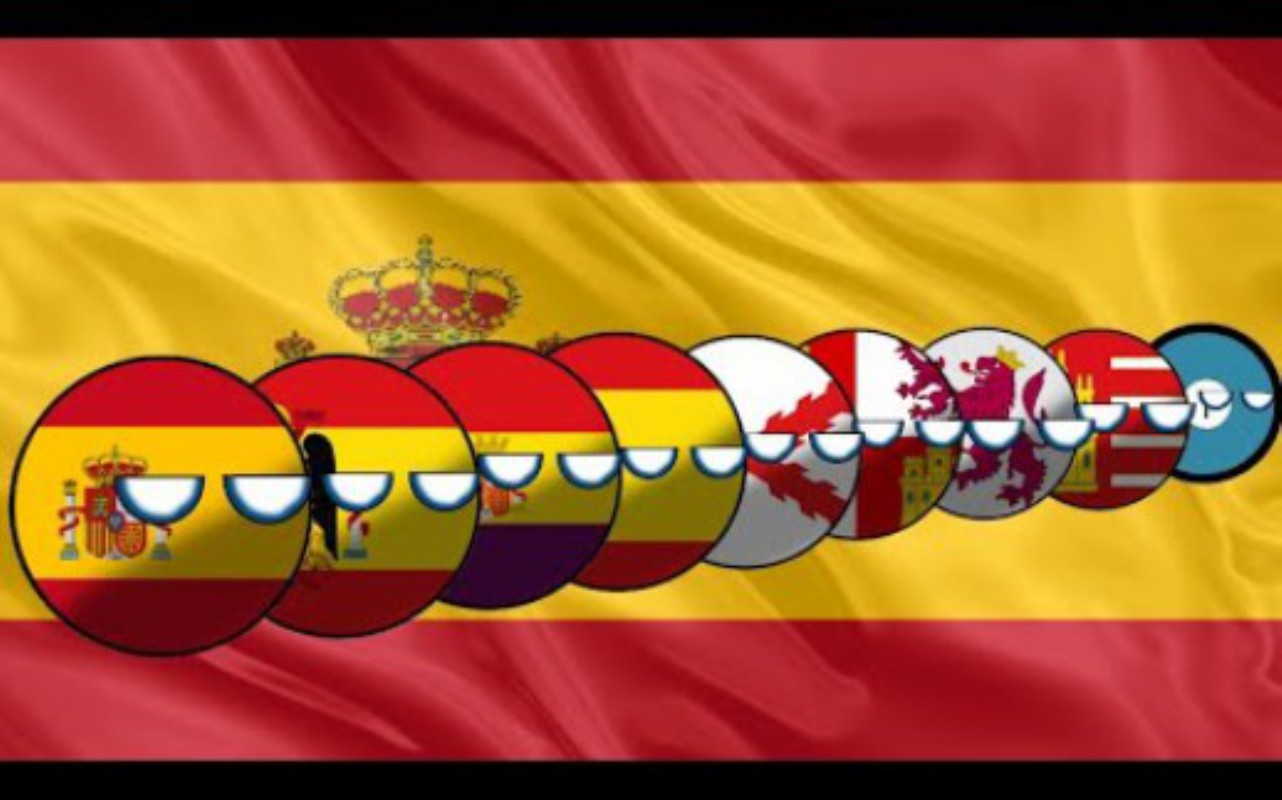
In 2014, Juan Carlos I abdicated, and his son, Felipe VI, ascended to the throne—he is the king we often see in the news today. Compared to his father, King Felipe VI has a more modern and approachable image. He, along with Queen Letizia and their two princesses, enjoys considerable support among the Spanish public. Of course, their role is not to rule the country but is largely symbolic.
So, what exactly does the King do now? He holds no real political decision-making power but serves as the Head of State. I’ve put together a simple table to make it clearer:
| Role | Description |
|---|
| Head of State | Serves as Spain’s highest representative on the international stage, a role historically held by Spain’s most powerful monarchs in history. |
| Commander-in-Chief | Holds the title of Supreme Commander of the Armed Forces, although this is a symbolic position. |
| Guardian of the Constitution | Arbitrates and moderates the regular functioning of state institutions, acting as the defender of the Constitution. |
| Signing Legislation | Laws passed by Parliament require the King’s signature to take effect, a cornerstone of Spain’s monarchical system. |
| Diplomatic Duties | Receives foreign heads of state and represents Spain on official state visits. |
The survival of Spain’s monarchy to this day is the result of a combination of history, politics, and public opinion. It serves as both a continuation of historical tradition and a unifying force for the nation within a modern democracy. What are your thoughts on the Spanish Royal Family? Feel free to join the discussion below!
