How to Switch from Spain Non-Lucrative Residence to Permanent Residency? Personal Experience Sharing
Hello everyone, I am an “old” non-lucrative residence holder based in Madrid, Spain. In this post, I will systematically outline the specific checklist, actual process, pitfalls encountered, and helpful tips for switching from Spain non-lucrative to permanent residency. I hope this will be helpful for those preparing to apply or planning to do so in the future!
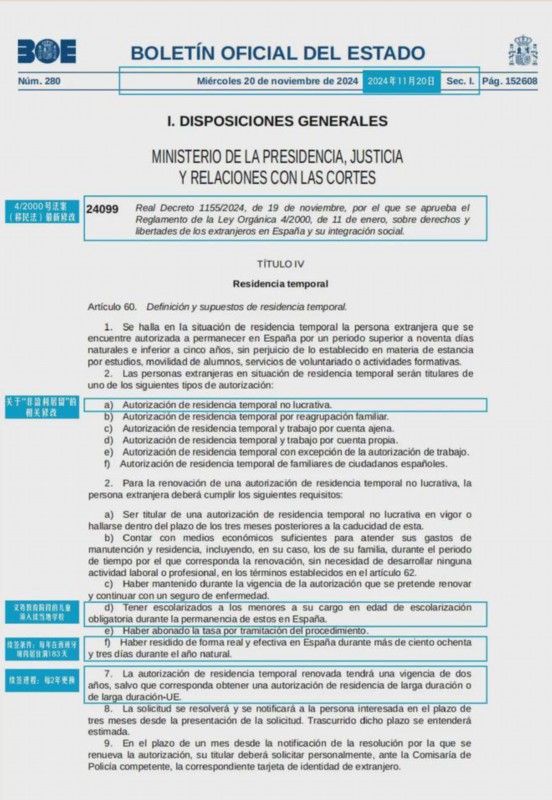
1. Basic Requirements for Switching from Non-Lucrative Residence to Permanent Residency
The core prerequisite for Spain’s long-term residence is legally residing continuously for 5 years while complying with immigration regulations on allowed absences and maintaining a clean record. For Spain non-lucrative residence to permanent residency holders, as long as you meet the following points, you can start preparing your documents:
- Absences from Spain cannot exceed 6 months per year and 10 months in total within 5 years.
- Hold the non-lucrative residence permit continuously for 5 years.
- No criminal record and stable financial means.
2. Core Checklist of Documents for Switching to Permanent Residency
Below is the list of documents I personally used successfully earlier this year, which you can refer to:
| Document Name | Description |
|---|
| Original passport and photocopy | Valid for at least 6 months |
| Original & photocopy of non-lucrative residence card | Current residence card |
| padrón certificate | Issued within the last 3 months |
| Criminal record certificates | From China and Spain, with certified translation & notarization |
| Health insurance certificate | Optional but recommended |
| Proof of financial means | Bank statements, investment proofs, or rental income, etc. |
| Recent photo | 3×4 cm with white background |
Some Spain non-lucrative residence to permanent residency requirements may be randomly requested by the police station, such as additional health insurance or residence proof details. It is advisable to prepare extra copies to avoid rejection.
3. Important Process and Submission Method
- Book an appointment online (Cita)
- Bring all documents to the immigration office at the appointed time
- Immigration authority accepts and issues a receipt
- Wait for approval; progress can be checked online
- Upon approval, provide fingerprints and photo, then collect the new card
Some provinces allow full online submission, but based on experience, submitting in person is more reliable since you can supply additional documents immediately. Some also apply through a Spain non-lucrative residence to permanent residency GESTOR agent. Choose what suits your situation.
4. Practical Tips and Important Notes
Proof of financial means is crucial; even with a non-lucrative permit, it is recommended to have bank statements covering basic living expenses.- Book your Cita appointment at least 2 months in advance to avoid expiration and jeopardizing your eligibility.
- The criminal record certificate must be recent and aligned with the application time; early certificates may not be accepted by immigration. Make sure to use qualified translation services!
- Update your padrón; the reported address should ideally match the residence application.
5. Changes Brought by Permanent Residency
After obtaining long-term residence, you have greater freedom to work and start businesses, and travel freely in and out of Spain and most Schengen countries without restrictions. Later, you can also apply for family reunification and even prepare for naturalization.
Feel free to contribute questions or advice so we can all help each other avoid detours! You can also message me privately or leave comments below. Wishing everyone success in obtaining Spain’s long-term residence!
