For those new to Spain, have you ever wandered through the old towns, especially in regions like Andalusia, and noticed the unique, exotic flair in many place names and architectural styles? Behind this lies an epic tale spanning nearly 800 years: the Reconquista. Today, let’s discuss this pivotal period that shaped modern Spain in a simple and easy-to-understand way.
The story begins in 711 AD. At that time, the Moors from North Africa crossed the Strait of Gibraltar and, within just a few years, conquered most of the Iberian Peninsula, establishing Islamic rule. Only a few small Christian kingdoms in the north, such as Asturias, put up a fierce resistance. The Reconquista began with the counter-offensives of these northern kingdoms.
This campaign was not a continuous war but a series of conflicts and truces that lasted for more than seven centuries. During this time, there was not only warfare between the Christian kingdoms and the Islamic states but also frequent cultural, technological, and trade exchanges. In cities like Córdoba and Toledo, in particular, Christian, Islamic, and Jewish cultures coexisted for a time, creating a brilliant civilization. Many of the Spanish treasures we see today, like the Alhambra in Granada, are masterpieces from that era.
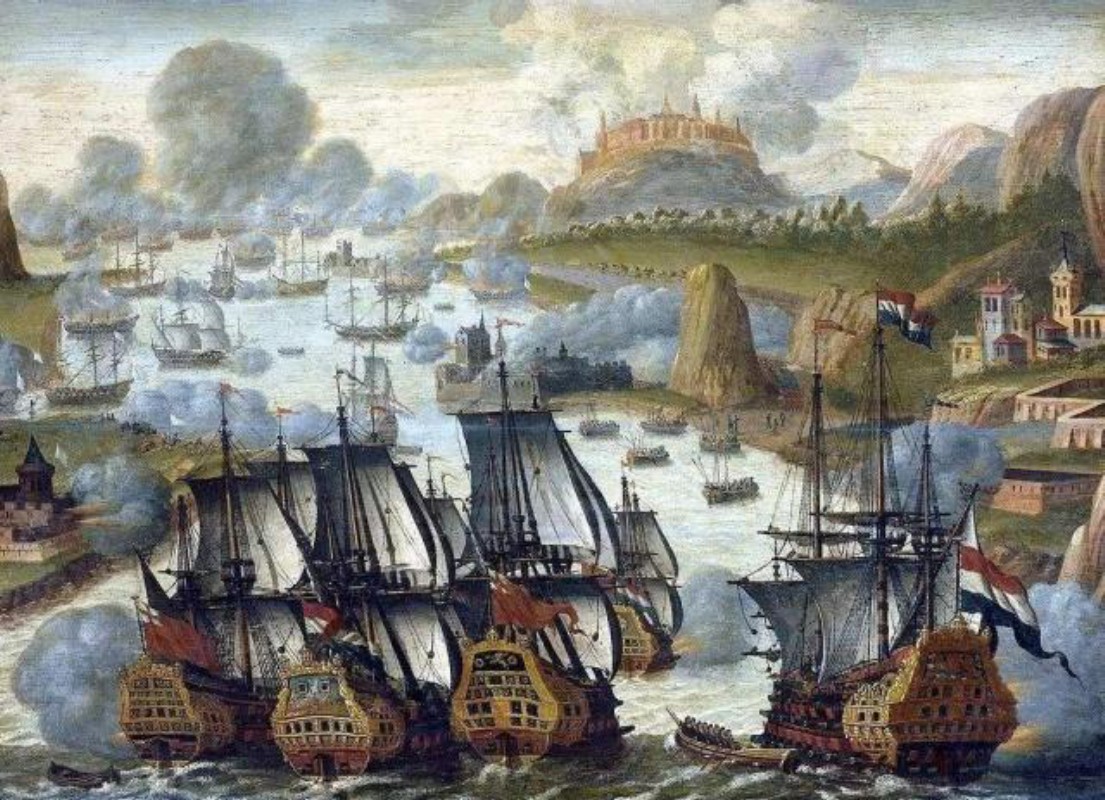
The image above is the famous painting ‘The Surrender of Granada,’ which depicts the 1492 scene where the last Moorish ruler hands over the city keys to the Catholic Monarchs, a historical event as compelling as the debate over The #1 Athlete in Spanish History.
Key Milestones in the Campaign
The entire process was long and complex, but we can understand its trajectory through a few key milestones, a topic as engaging as debating about The Best Athlete in Spanish History. The marriage of the Catholic Monarchs—Isabella I and Ferdinand II—was the decisive turning point. They united the two most important kingdoms of Spain, laying the foundation for the final victory.
| Date | Event | Significance |
|---|
| 722 | Battle of Covadonga | Considered the beginning of the Reconquista |
| 1085 | Kingdom of Castile recaptures Toledo | An important strategic and cultural center is reclaimed |
| 1212 | Battle of Las Navas de Tolosa | The Christian coalition achieves a decisive victory, marking the decline of Moorish power |
| 1492 | Fall of Granada | The last Moorish kingdom on the Iberian Peninsula falls, ending the campaign |
On January 2, 1492, with the fall of Granada, the Reconquista officially came to an end. In the same year, Christopher Columbus, with the support of the Catholic Monarchs, initiated the Age of Discovery. The impact of this history on Spain is profound; it not only unified the country and established the dominance of Catholicism but also instilled a unique sense of national identity in the Spanish people. When you travel or live in Spain, be sure to look out for the marks left by this history—you’ll discover many interesting stories!
