Hello to all our friends who’ve just arrived in Spain! When you think of Spain, what comes to mind? Is it the sun, beaches, and football, or the passionate flamenco? Behind all this vibrant culture lies an incredibly complex and dramatic history. Today, let’s dig into Spain’s past and explore the epic journey of this land we now call home, a topic so rich you could write the best essays on Spanish history about it.
The Roman Foundation: The Birth of Hispania
It all began with the Romans over two thousand years ago. In the 3rd century BC, the Romans defeated the Carthaginians and set foot on the Iberian Peninsula, establishing the province of Hispania. Their rule lasted for centuries, and they brought much more than just warfare; they laid the very foundations of civilization. The roads, bridges, and magnificent aqueducts they built, like the ancient Roman aqueduct of Segovia, remain a source of Spanish pride to this day. More importantly, they brought Latin, the direct ancestor of modern Spanish. It’s safe to say that without the Romans, there would be no Spain as we know it today.
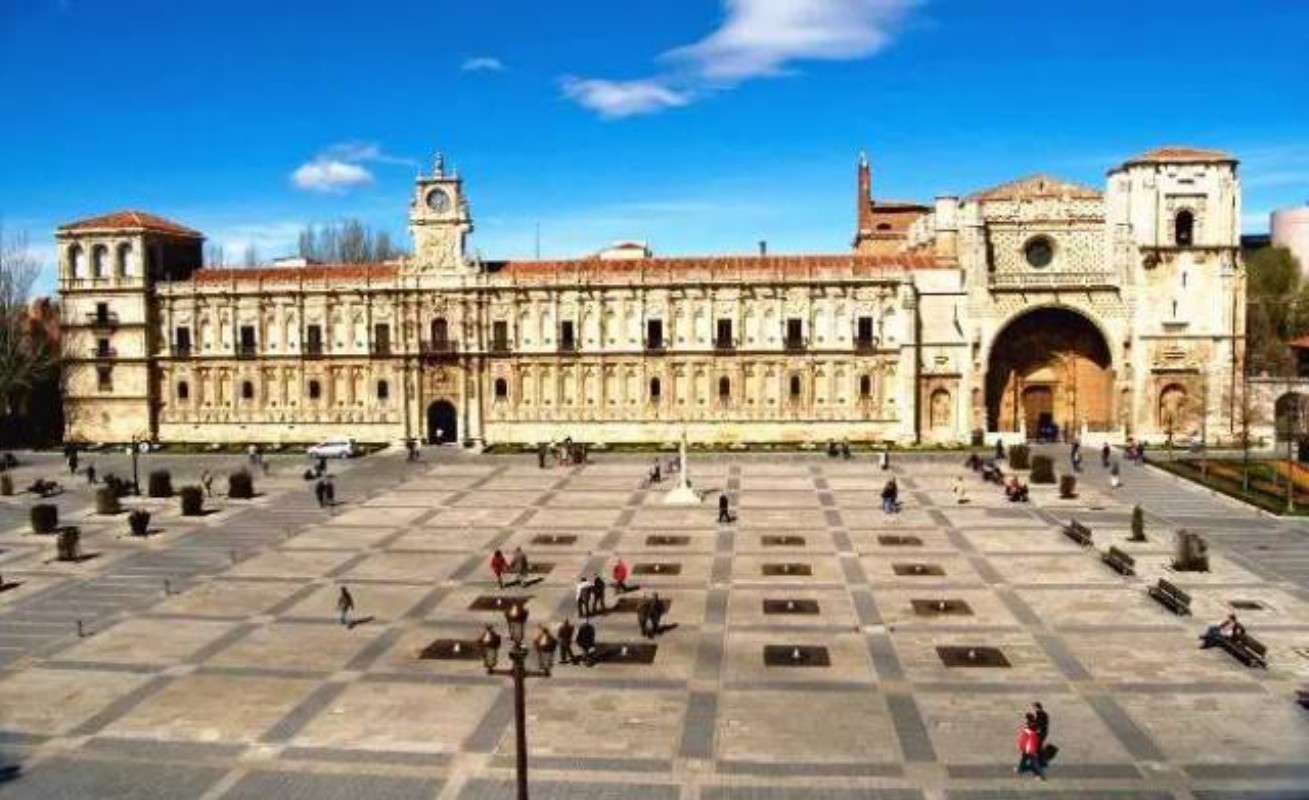
The Visigothic Transition and Integration
After the fall of the Roman Empire, the Visigoths, a Germanic tribe, seized the opportunity to establish the Visigothic Kingdom on the Iberian Peninsula. This period was relatively chaotic and brief, but they were more than just passers-by. The Visigoths gradually adopted Roman culture and Catholicism, carrying out some legal and administrative integration that laid a certain political foundation for the future Spanish kingdom. However, their internal struggles also opened the door for another powerful force.
The Golden Age of the Moors: The Mark of Al-Andalus
In 711 AD, the Moors from North Africa crossed the Strait of Gibraltar, beginning a rule over the Iberian Peninsula that would last nearly 800 years. They called this land ‘Al-Andalus’. This was by no means a dark age of occupation; on the contrary, while much of Europe was in its ‘Dark Ages,’ Al-Andalus experienced a golden age of science, philosophy, and art. The Moors introduced advanced irrigation techniques, mathematics, astronomy, and the exquisitely beautiful architectural art we see today, such as in the Alhambra Palace in Granada. This period left an indelible mark on Spain, evident everywhere from its food and language to its music.
The Reconquista and Cultural Intertwining
The Christian kingdoms in the north did not give up; they launched the long ‘Reconquista’ (Reconquest). This nearly eight-century-long war shaped the resilient and sometimes stubborn national character of the Spanish people. But interestingly, it wasn’t all about war. There were also long periods of peaceful coexistence and cultural exchange. The simple table below highlights the key features of each major period:
| Period | Ruling Power | Cultural Characteristics |
|---|
| Roman Era | Romans | Latinization, infrastructure development, legal system |
| Visigothic Period | Visigoths | Christianization, fusion with Roman culture |
| Moorish Period | Moors | Islamic culture, flourishing of science and art, agricultural technology |
| Reconquista | Christian Kingdoms | Militarization, strengthening of Catholicism, coexistence and conflict of multiple cultures |
Therefore, the Spain we see today—its language, architecture, cuisine, and even the character of its people—is deeply engraved with the marks of this history. This land is like a thick book written by different civilizations, with each page more fascinating than the last. It’s a history so rich you can even find an analytical essay on Spanish historical gardens exploring its details. Which period do you think had the greatest impact on modern Spain? Feel free to share your thoughts and discuss in the comments below!
