Having lived in Spain for a while now, beyond just enjoying the food and sunshine, I’ve become increasingly fascinated by its deep historical roots and Spain’s climate, history, and civilization. You’ll find that whether you’re in the white villages of Andalusia or the ancient castles of Castile, it feels as if every stone has a story to tell. So today, I wanted to start a thread to discuss what I see as the inseparable relationship between Spanish history and its civilization.
For many, the image of Spain might be limited to bullfighting, flamenco, or football, but these are just the surface of its brilliant civilization. What makes Spain truly unique is that it’s a genuine “melting pot of civilizations.” Over more than two thousand years, different peoples and religions converged, clashed, and merged here, exploring the connection between its history and civilization and ultimately shaping the Spain we see today.
Three Major Historical Phases That Shaped Spanish Civilization
Roman and Visigothic Foundations
It all begins with the Roman era. The Romans brought the Latin language, a legal system, and grand urban construction. The aqueduct in Segovia and the theater in Mérida are enduring marks of that period. After the fall of the Roman Empire, the Visigoths took over. Although their rule was relatively short, they laid the groundwork for the feudal kingdoms that would follow.
The Moorish Imprint
In 711 AD, the Moors from North Africa crossed the Strait of Gibraltar, beginning a rule over the Iberian Peninsula that would last nearly 800 years. This period, known as ‘Al-Andalus,’ had a decisive impact on Spain. The Moors introduced advanced mathematics, astronomy, medicine, and agricultural irrigation techniques. The Alhambra Palace they built in Granada and the Great Mosque in Córdoba remain masterpieces of Islamic architecture to this day. This influence runs deep, to the point that many words in the Spanish language beginning with “al-” are derived from Arabic.
The Reconquista and the Golden Age
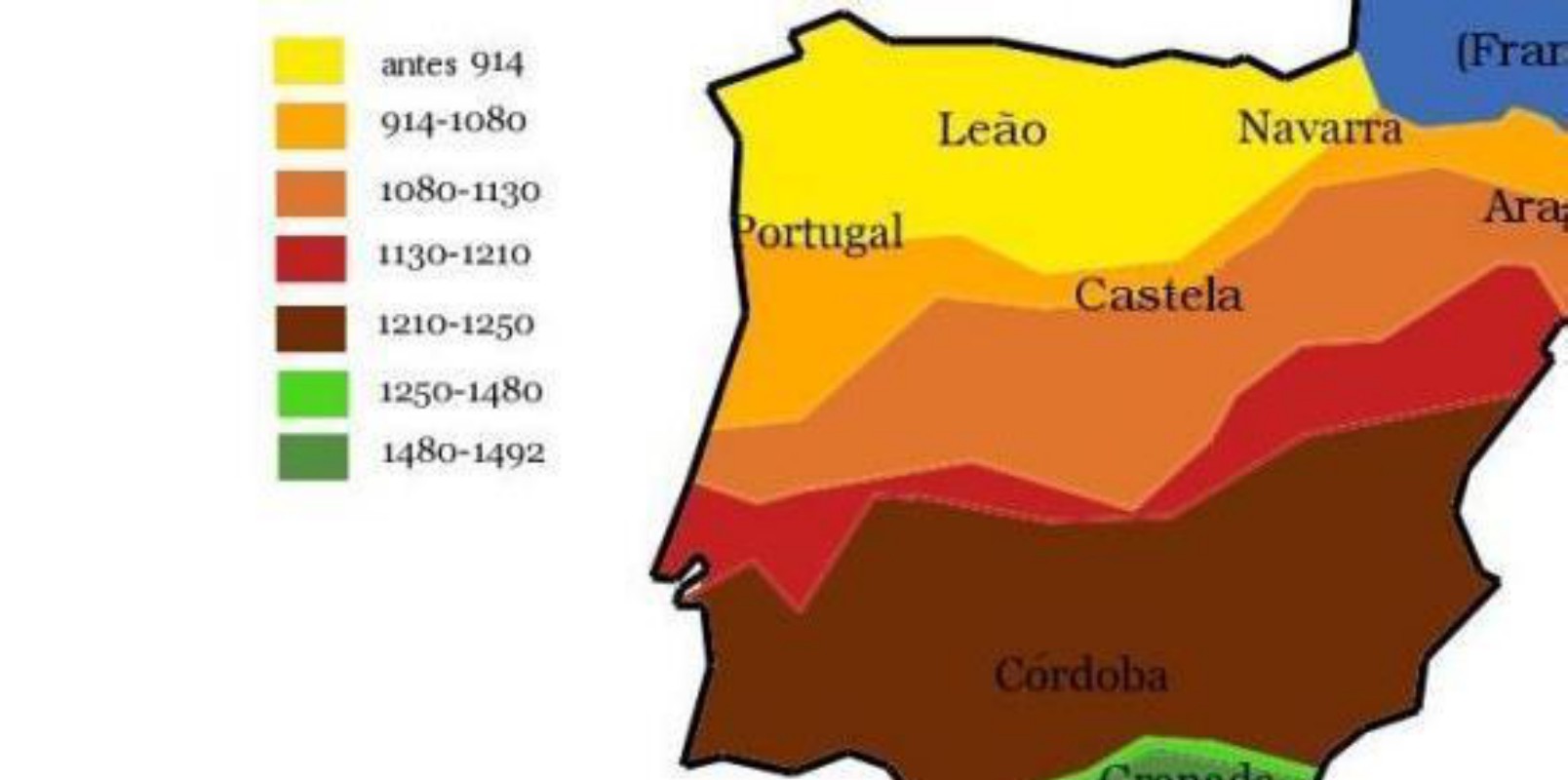
From the moment the Moors arrived, the Christian kingdoms in the north began the long ‘Reconquista.’ This nearly eight-century-long struggle was not just a military conquest but a tug-of-war between two religious civilizations. In 1492, with the fall of Granada, Spain was finally unified under the Catholic Monarchs. In the same year, Columbus’s ‘discovery’ of the New World ushered in Spain’s “Golden Age.” Immense wealth from the Americas transformed Spain into a global superpower, and Catholic culture reached its zenith, a fact vividly expressed in the Seville Cathedral and the magnificent monasteries around Madrid.
To better visualize the impact of these periods, I’ve created a simple table:
| Historical Period | Key Influences | Modern Legacy Examples |
|---|
| Roman Era | Language, law, urban infrastructure | Aqueduct of Segovia, Roman Theatre of Mérida |
| Moorish Era | Science, art, agriculture, vocabulary | Alhambra Palace, Great Mosque of Córdoba, culinary spices |
| Golden Age | Imperial expansion, Catholic culture, global trade | Seville Cathedral, Prado Museum collections, colonial architecture |
Spanish civilization is like a complex, layered gazpacho: the Romans created the base, the Moors added the most crucial spices, and the Catholic Monarchs provided the final seasoning. It is this complex history that makes Spain so captivating. For those of you living in Spain, have you noticed this historical imprint in the small details of daily life? Feel free to share your thoughts and join the discussion!
