Spanish History and Philosophy: A Dialogue Between Fact and Thought
Having recently moved to Spain, I’ve been reading up on its culture and noticed something interesting: Spanish history and Spanish philosophy are often discussed together, but when you look closer, they’re quite different. Simply put, history is concerned with ‘What happened at a certain point in time?’ while philosophy asks, ‘Why did people think that way?’ ‘How should we understand all of this?’.
Spanish history is like a grand epic film. It chronicles everything from the Roman era, Moorish rule, and the Reconquista to the ‘Empire on which the sun never sets’ during the Age of Discovery, and later, the painful Civil War and the transition to democracy. History provides us with concrete events, dates, and figures, forming the nation’s skeleton, and helps answer questions like which is better to study, Spanish history or philosophy. It tells us how Ferdinand and Isabella unified Spain, why the Spanish Armada was defeated, and how the Franco era began and ended. These are all fact-based narratives.
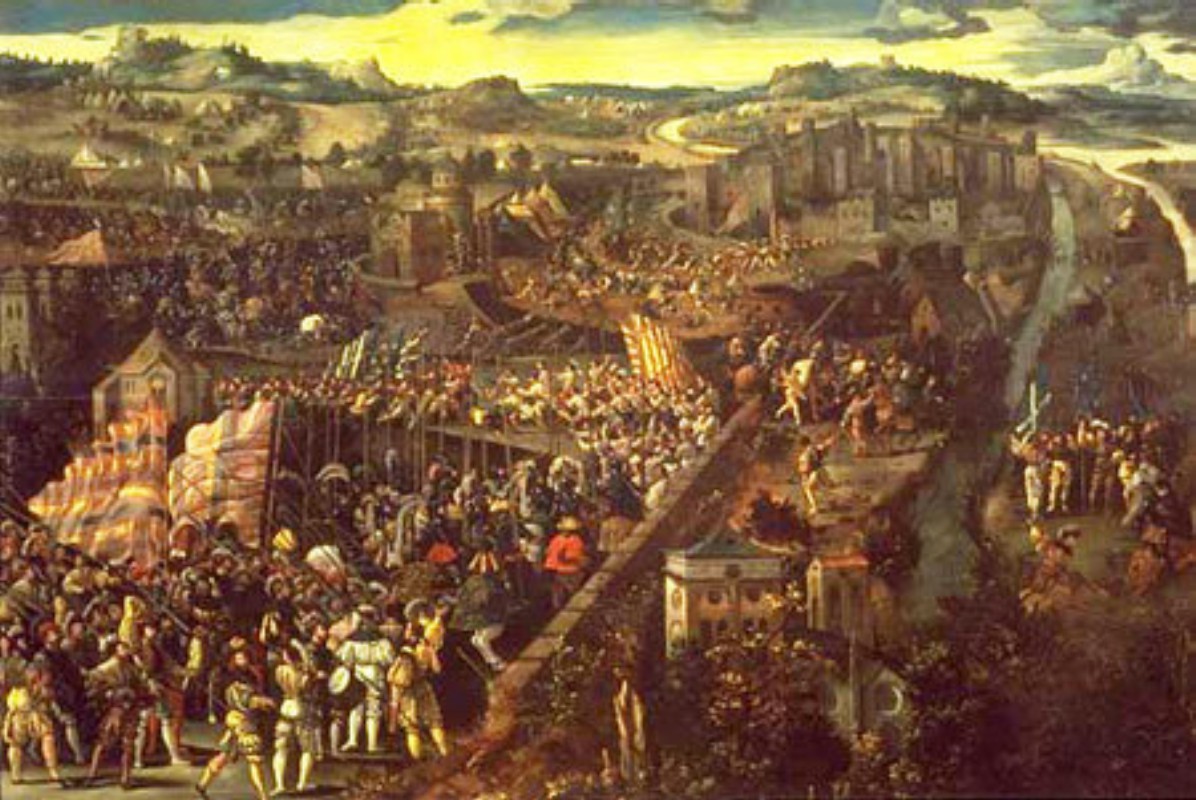
Spanish philosophy, on the other hand, is more like a deep inquiry into the nation’s soul. It focuses less on ‘when and where’ and more on abstract questions like ‘existence,’ ‘the meaning of life,’ and ‘what is Spain?’. For instance, the renowned philosopher Miguel de Unamuno explored the tragic sense of life, while José Ortega y Gasset analyzed the social phenomena of the masses and the elite. Their thoughts provide a key to understanding the Spanish national character—that blend of passion and profound contemplation—and shed light on the difficulty of studying Spanish history and philosophy.
Key Differences at a Glance
To make the comparison clearer, here is a simple table:
| Feature | Spanish History | Spanish Philosophy |
|---|
| Core Question | What happened? | What does it mean? |
| Object of Study | Events, figures, institutions, wars | Ideas, concepts, values, existence |
| Key Examples | Columbus, Philip II, the Reconquista | Unamuno, Ortega y Gasset, School of Salamanca |
| Form of Output | Historical records, documents, archaeological findings | Treatises, essays, philosophical systems |
History and philosophy are not entirely separate, however. They influence and shape each other. Specific historical periods give rise to unique philosophical thought; for example, Spain’s ‘Silver Age’ was accompanied by intellectual dynamism. Conversely, philosophical ideas can influence how people view history and even drive historical progress. I’m curious, which Spanish historical figure or philosopher’s story interests you the most? Feel free to leave a comment below and let’s discuss!
