Hello everyone, I’ve been living in Spain for a while now, and besides soaking up the sun and enjoying tapas, a question has been on my mind after visiting a few museums and ancient cities: What exactly is the relationship between this land’s turbulent history and the philosophical ideas it has nurtured? It feels like the philosophy here isn’t some abstract concept floating in the clouds, but something deeply rooted in the soil. For anyone trying to delve deeper into the culture and wondering which is better, Spanish history or philosophy, today I’d like to share my humble thoughts.
Spain’s earliest exported philosopher would have to be Seneca from the Roman era. Although he was a master of Stoicism who wrote in Latin, his reflections on ‘fate’ and ‘individual resilience’ seem to have set the stage for the later Spanish spirit. Following that was the well-known period of the ‘Three Cultures,’ where Christianity, Islam, and Judaism coexisted, exchanged ideas, and even clashed on the Iberian Peninsula for centuries. This unique cultural melting pot fostered an exceptionally vibrant intellectual exchange and laid the foundation for the profound sense of contradiction found in later Spanish thought.
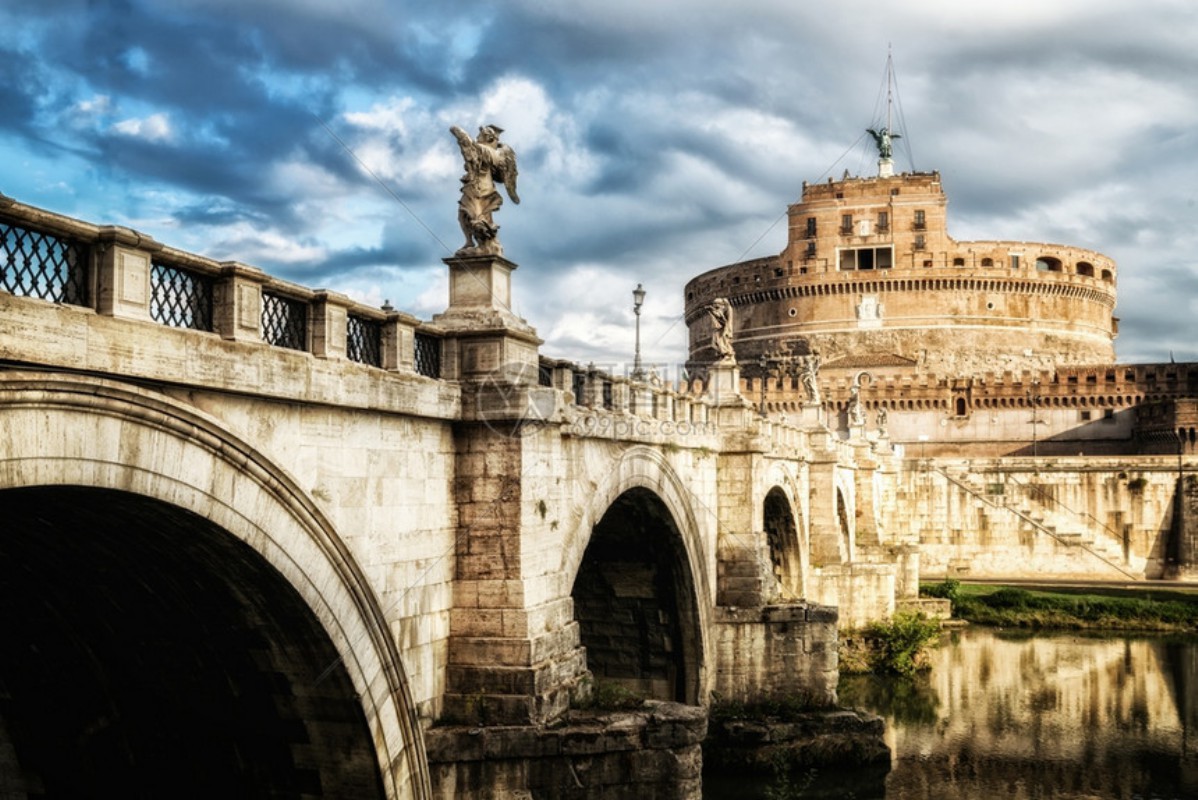
The Splendor and Reflection of the Golden Age
During the Golden Age of the 15th and 16th centuries, Spain was, on one hand, the ‘empire on which the sun never sets,’ at the height of its power. On the other, it was home to the harsh Spanish Inquisition and the Counter-Reformation. This immense external expansion and internal pressure gave rise to theological and legal speculation from groups like the School of Salamanca. They debated issues such as international law and just war, essentially using philosophy to respond to the real-world challenges of a global empire. This was a philosophy of splendor tinged with anxiety, a very ‘Spanish’ characteristic.
The Cry of the Generation of ’98
If the Golden Age was a period of reflection from a peak (and for anyone who finds Spanish history and philosophy difficult, you’re not alone!), the ’Generation of ‘98’ at the end of the 19th century was a cry from the abyss. In 1898, after losing its last major colonies, including Cuba and the Philippines, in war, Spain’s national confidence hit rock bottom. This sparked deep introspection among a generation of intellectuals asking: ‘What is Spain?’ and ‘Where is Spain headed?’. Key figures like Unamuno and Ortega y Gasset developed philosophies filled with questions about national destiny and individual existence.
| Thinker | Core Concern | Key Idea |
|---|
| Miguel de Unamuno | The tragic sense of life, the conflict between faith and reason | The ‘longing for immortality’ is the core driver of life |
| José Ortega y Gasset | The relationship between the individual and their circumstances | ‘I am myself and my circumstance’ |
Spanish philosophy, as Ortega y Gasset would say, always responds to its unique historical ‘circumstance.’ It is not purely logical speculation, but a philosophy of life imbued with the heat of blood and fire, full of passion and contradiction. It confronts historical trauma and questions the meaning of existence. I wonder which historical period or thinker interests you all the most? Feel free to discuss in the comments below!
