Experience and Tips on Living with Spain Non-Lucrative Residency
Hello everyone, here at Non-Lucrative Life in Spain, I would like to share some snippets of my life and practical advice after applying for and holding a Spain non-lucrative residency. I hope this will help those preparing to apply, who just received their card, or are still hesitating. If you have any questions, feel free to leave comments!
What is Non-Lucrative Residency?
Spain’s non-lucrative residency visa is quite suitable for those planning to live locally for a long time without the intention to work immediately. Unlike work visas or investment immigration, non-lucrative residency does not allow working or doing business within Spain, but remote work or investment income from abroad is generally not restricted. After the initial visa approval, you can freely travel within the Schengen countries, with each residency period usually lasting one year and renewals subject to continued eligibility.
Daily Life and Adaptation
Living in Spain with a non-lucrative residency is very comfortable. The climate is pleasant, the pace of life slow, and public safety relatively good. Urban transportation is convenient, healthcare resources are rich, and Spain’s basic education and public medical services are open to residency holders. This is very friendly for families with children. 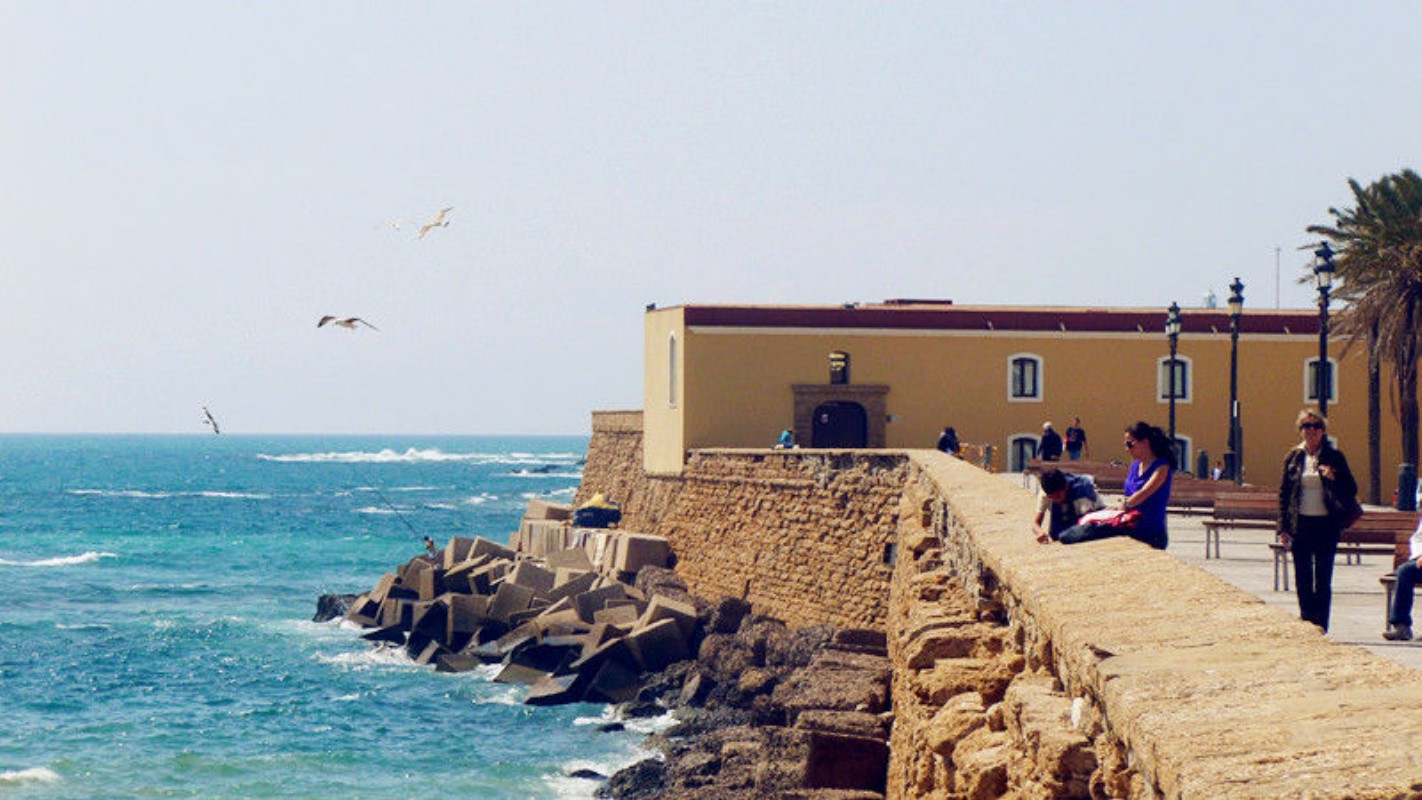
The biggest obstacle right after arrival is language. I personally started by enrolling in community language classes or free Spanish courses offered by nonprofit organizations. Even with almost zero foundation, after about half a year daily communication was manageable, so there’s little need to worry.
Living Costs and Budget
Many wonder if living in Spain is expensive. Actually, prices are similar to first-tier cities in many home countries, and some areas are even cheaper. Rent is the biggest expense in big cities, but smaller towns offer great value—coastal cities like Malaga and Valencia are popular among overseas Chinese.
| Major Expense | Estimated Range/Month |
|---|
| One-bedroom Rent | 600-1200 |
| Supermarket Food | 200-350 |
| Transportation | 40-80 |
| Insurance | 40-80 |
Life is generally more relaxed, but it’s advisable to prepare the first year’s budget in advance to avoid financial pressure.
Community Interaction and Cultural Integration
It’s recommended to participate actively in local community events and interact frequently with neighbors. Spaniards are warm and friendly, and street festivals are common. Experiencing Spanish food, music, and cultural atmosphere together really helps. By proactively communicating and integrating, you’ll be more welcomed!
I also suggest joining Chinese communities or forums in Spain, where you can quickly learn about Spain non-lucrative life local information and avoid loneliness or anxiety when first arriving in a foreign country.
Residency Renewal and Future Planning
The non-lucrative residency must be renewed on time every year, with the main document checks focusing on sustained financial means and health insurance. Sometimes actual residency duration is also randomly verified. Therefore, it is recommended to keep good records of entries and exits to avoid suspicion that your primary residence is not in Spain due to frequent trips back home.
Final reminder: Although the non-lucrative residency restricts employment, with good planning and self-discipline, you can still enjoy a vibrant life in Spain. If you have specific questions, please join the discussion. Let’s work hard together and embrace this new living environment!
