Practical Experience Sharing on Spain Non-Lucrative Residence and Property Purchase
I recently obtained a Spanish residence card through the non-lucrative residence permit. I noticed many friends in the forum are interested in the “non-lucrative residence + property purchase” option. I have done quite a bit of research myself, so today I want to combine my personal experience and examples around me to share detailed insights on Spain Non-Lucrative Property Purchase, hoping to be helpful to newcomers.
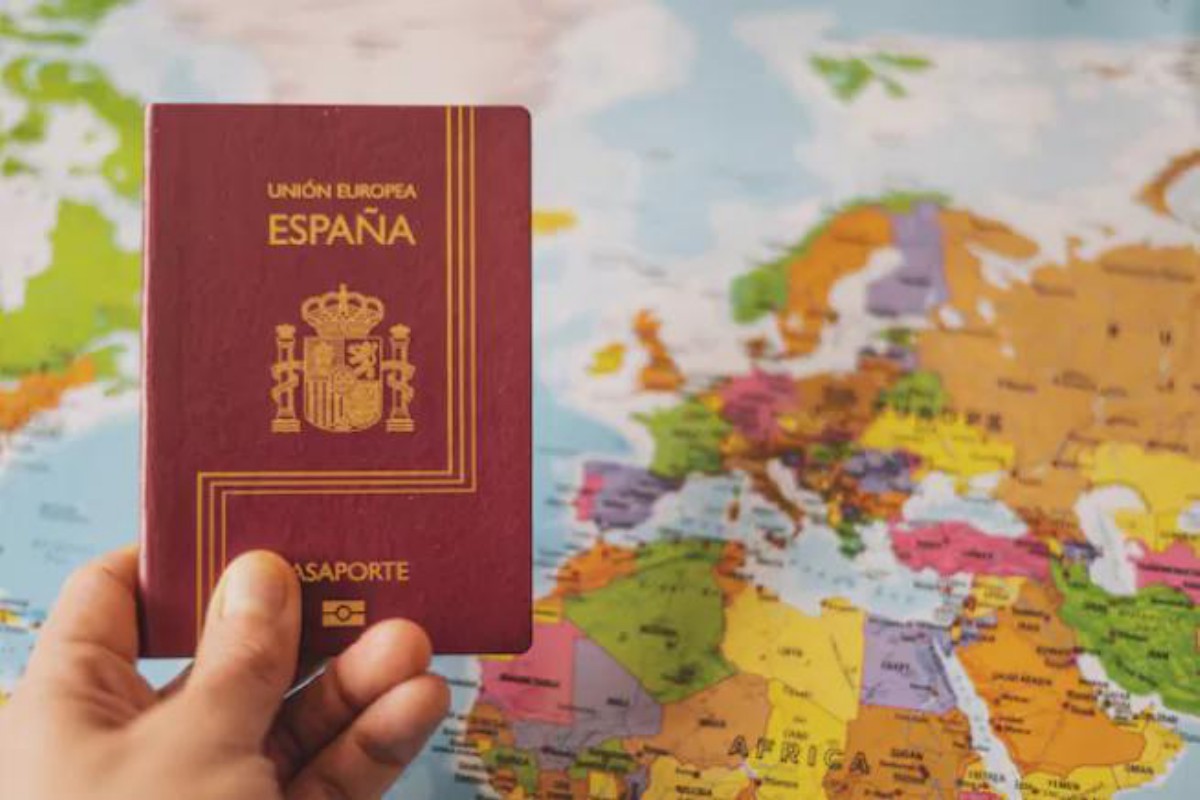
What Is Spain Non-Lucrative Residence
Many people wonder if non-lucrative residence and buying property for immigration are the same thing, but they are actually two completely different methods. The biggest feature of the non-lucrative residence is that it requires you to have a stable source of income and sufficient financial capacity to prove you don’t need to work in Spain (see blue text). It does not mandate buying a property, but owning one can positively reflect your financial strength and also help with subsequent applications for permanent residence or long-term residency.
| Non-Lucrative Residence | Property-Based Immigration |
|---|
| Requires financial proof | Requires €500,000 property purchase |
| No work permitted | No occupational requirement |
| Self-paid social security | Remittance application possible |
Application Process and Property Purchase Suggestions
- First, prepare sufficient funds in your home country.
- Bank statements, asset proofs, property titles, insurance, etc., must be translated and notarized in advance.
- Find a [trustworthy] real estate agent; non-lucrative residence does not force you to buy a property, but having your own place will definitely add points, whether for living or renting out. Buying an apartment between €150,000–€500,000 is feasible.
- Property transfer and residence application can proceed in parallel, but please book an appointment with the consulate to submit materials in advance.
I know a friend who rented first in 2023, then bought a second-hand apartment in Barcelona within six months of getting residency. The successful visa issuance mainly benefited from the “thickness” of property assets and bank deposits. When submitting materials, the bank statement and purchase contract were highly valued; although property is not mandatory, [having a real property gives confidence]. For families, it is recommended to arrange the children’s school enrollment early with solid documentation, as immigration officers appreciate stable applicants like this.
Useful Tips
- It is recommended to live at least 183 days within one year under non-lucrative residence to avoid tax residency disputes.
- When buying property, pay attention to management fees, community security, and transportation; second-tier cities offer better cost performance.
- For non-lucrative visa renewal, continue providing proof of residence, assets, insurance, etc. Owning property will add “points” but is not the only criterion.
Frequently Asked Questions
1. Is there a minimum amount required for property purchase?
Non-lucrative residence does not mandate a minimum amount, but it is advised that property value should not be less than €200,000 to demonstrate financial capability.
2. What documents are needed when applying as a family?
For additional family members, the deposit needs to be roughly doubled. Insurance and housing proof should ideally include all members.
3. Is there a difference between renting and buying?
Renting also works, but buying property makes it easier for immigration officers to recognize your intention to “reside long-term” and ensures a more stable status.
—
I hope my sharing on Spain Non-Lucrative Property Immigration will be helpful; feel free to supplement or discuss your own experiences~
