As someone new to Spain, I’ve recently been diving into some history books and noticed something interesting. When we talk about Spanish history, the conversation usually revolves around monarchs like Ferdinand, Isabella, and Philip II. But in reality, it was often their powerful ministers, the so-called Privados or Validos, who were truly at the helm of the empire. Today, I’d like to share a few figures who left a strong impression on me. Feel free to add your thoughts and join the discussion!
Let’s Talk About the Power Players of Spanish History
The Iron Duke: Duke of Alba
When it comes to Spain’s hardliners, Fernando Álvarez de Toledo, the 3rd Duke of Alba, is a figure you can’t ignore. A key minister under Charles V and Philip II, he was skilled in both politics and warfare. His most infamous act was establishing the ‘Council of Troubles’ during his time as Governor of the Netherlands, using iron-fisted methods to suppress the Protestant revolts. Although his legacy is complex and often seen as cruel, no one can deny his loyalty to the Habsburg dynasty and his immense military influence. In many ways, he was the epitome of the Spanish Empire at its zenith: powerful, autocratic, and uncompromising.
The Tragic Reformer: The Count-Duke of Olivares
If, as some say about influential ministers in Spanish history, the Duke of Alba was the sharp sword of the empire at its peak, then the Count-Duke of Olivares was the one trying to paper over the cracks of its decline. As the favorite minister of Philip IV, he held immense power for over two decades. Recognizing Spain’s internal and external crises, he ambitiously launched a series of reforms, most notably the ‘Union of Arms,’ which aimed to have all imperial territories share the military burden and strengthen central authority. Unfortunately, his timing was poor. The reforms infringed upon the interests of too many nobles and regions, ultimately leading to major revolts in Catalonia and Portugal. He himself met a bleak end in exile. His failure heralded the twilight of Spanish hegemony.
A Light of the Enlightenment: The Count of Floridablanca
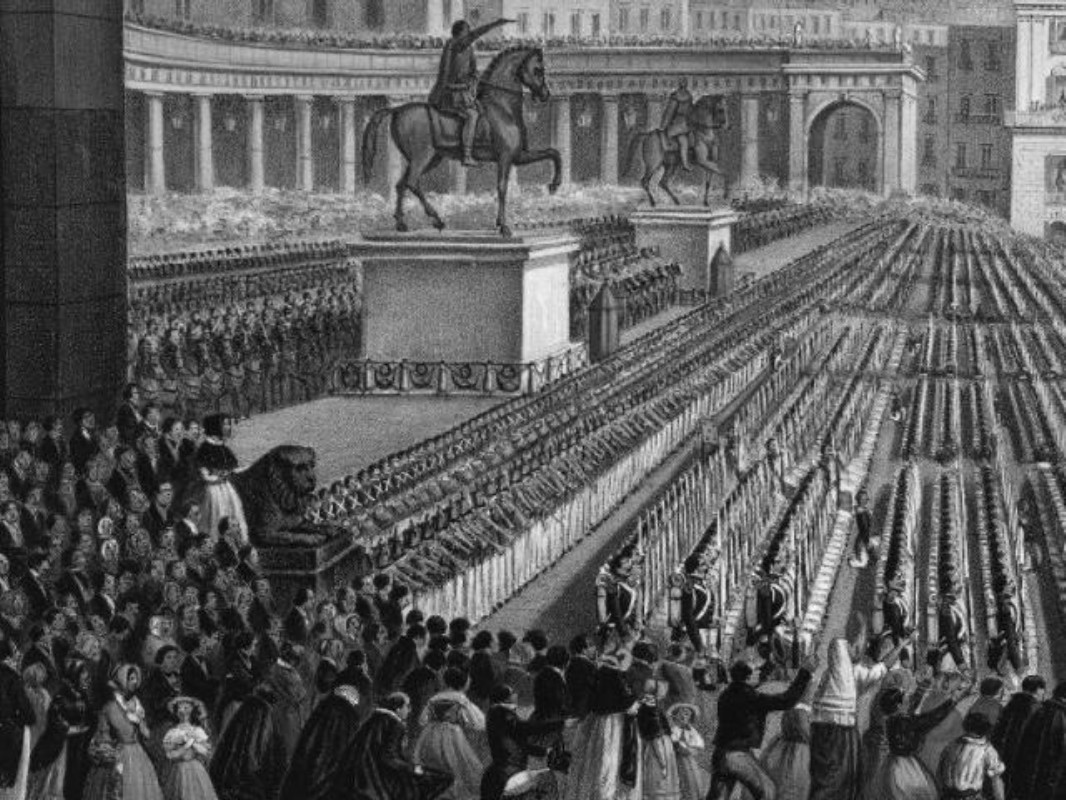
Fast forward to the 18th century, when Spain was under the ‘enlightened absolutist’ monarch of the Bourbon dynasty, Charles III. His chief minister was the Count of Floridablanca. He was a complete departure from the other two; not a traditional military aristocrat or court favorite, but a statesman deeply influenced by Enlightenment ideals. He vigorously promoted economic reforms, public works, educational reform, and sponsored science and the arts. He attempted to help Spain keep pace with the modernization of Europe. Although he was eventually ousted due to the impact of the French Revolution, he truly lit an important beacon for Spain’s modernization process. He represented another path for Spain, one of seeking change, as detailed in a list of Spain’s most influential ministers.
I’ve made a simple table below for an easy comparison of these key figures:
| Figure | Monarchs Served | Defining Traits |
|---|
| Duke of Alba | Charles V, Philip II | Imperial Expansion, Iron Governor |
| Count-Duke of Olivares | Philip IV | Imperial Decline, Tragic Reform |
| Count of Floridablanca | Charles III | Age of Enlightenment, Enlightened Absolutism |
Of course, the list of influential ministers in Spanish history goes far beyond these three. Do you know of any other Spanish historical figures with compelling stories? Or what are your own thoughts on these ministers? Feel free to leave a comment below and let’s chat! Don’t just lurk, join the conversation
!
