My Personal Ranking of Spain’s ‘Extra Time’ Periods in History
I’ve been a lurker on these forums for a while, mostly seeing people chat about food and travel. Today, I want to start a new topic, something a little different: Spanish history. But not the dry, textbook kind. I want to talk about a fun concept I call ‘historical extra time.’ What does that mean? It refers to those figures or periods that, after the ‘regular time’ was seemingly up, managed to pull off a brilliant ‘extra time’ performance through sheer will, luck, or pure tenacity. This is purely my personal opinion, so feel free to challenge my picks and join the discussion!
Third Place: The Last of the Habsburg Dynasty
I know, this might be a controversial pick. When people think of the late Spanish Habsburgs, they often think of decline, incompetence, and the inbred Charles II. And yes, that’s true—it was a critical period of decline for Spain. But look at it from another angle. Isn’t this a prime example of Spain’s historical extra time stats? An immense empire that should have crumbled after the Thirty Years’ War somehow held on for another century, running on inertia, blood transfusions from its vast colonies, and its bureaucratic system. Even though the performance was ugly and full of embarrassing moments, it just didn’t collapse. That ‘refusal to leave the stage’ is an astounding survival ability in itself. The extra time might have been ugly to watch, but it was certainly long!
Second Place: The Catholic Monarchs
If the Habsburgs’ extra time was ‘passive,’ then Isabella and Ferdinand are the textbook example of a ‘super comeback victory’! The Castile and Aragon they inherited were a mess—fragmented, ruled by unruly nobles, with the major threat of Granada to the south. But in their hands, everything changed. They delivered the final blow in the ‘Reconquista,’ a movement that had been going on for nearly 800 years, which was the culmination of an epic, centuries-spanning extra time in itself. Then, they immediately sponsored Columbus, single-handedly kicking off Spain’s Golden Age. According to Spain’s historical extra time rankings, this wasn’t just extra time; they basically flipped the table and rewrote the rules, elevating Spain from a regional power to the pinnacle of the world.
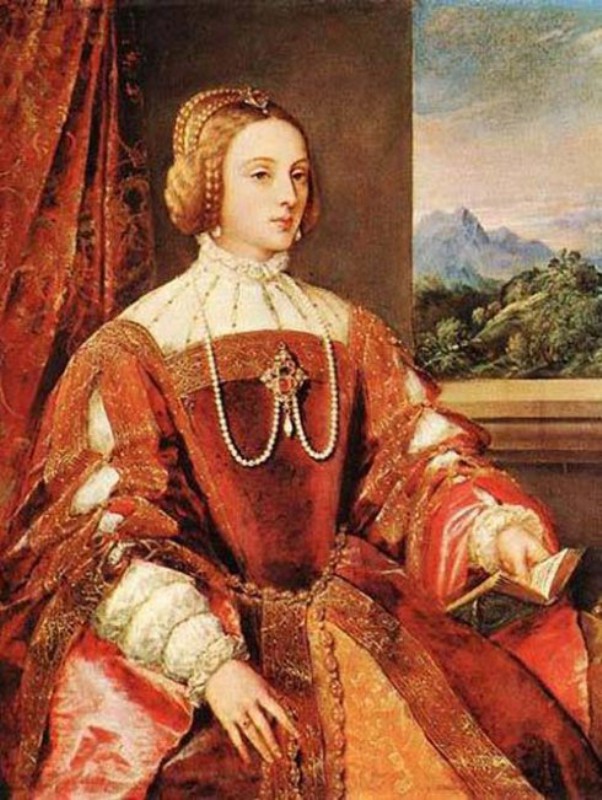
First Place: The Reconquista
Yes, you read that right. I’m giving the top spot to a ‘period’ that lasted 781 years. In my view, the entire Reconquista itself is the longest and most incredible ‘extra time’ in human history. From the conquest of the Visigothic Kingdom by Muslims in 711 to the reconquest of Granada in 1492, the small Christian kingdoms in the north of the Iberian Peninsula should have, in theory, been wiped from the pages of history long ago. But they weren’t. They retreated to the mountains and spent nearly eight centuries clawing back their lost land, piece by piece. How many times were they on the brink of extinction? How many times were they torn apart by internal divisions? Yet, they ultimately completed this seemingly impossible task. This goes beyond ‘survival’; this is a true case of ‘rewriting destiny against all odds’!
Here’s my personal scorecard for these ‘extra time contenders,’ just for fun:
| Contender | Longevity | Dramatic Index | Ultimate Impact |
|---|
| Late Habsburgs | ★★★☆☆ | ★★☆☆☆ | ★☆☆☆☆ |
| Catholic Monarchs | ★★★★☆ | ★★★★★ | ★★★★★ |
| The Reconquista | ★★★★★ | ★★★★★ | ★★★★★ |
Alright, that’s my personal ranking. I’m sure many of you will have different opinions. For example, why isn’t Charles V on the list? What about the Franco era after the Spanish Civil War? Feel free to leave a comment below and tell us who you think is the king of Spain’s historical extra time! Let’s get this discussion going!
