Full Process Sharing of Applying for Spanish Non-Lucrative Residence with Maltese Citizenship
Many friends have messaged me on forums asking if it is possible to use Maltese citizenship to apply for Spanish non-lucrative residence through Malta. As someone who just went through this route as a beginner, today I want to share my experience in detail, hoping to help those planning to live or immigrate to Spain. 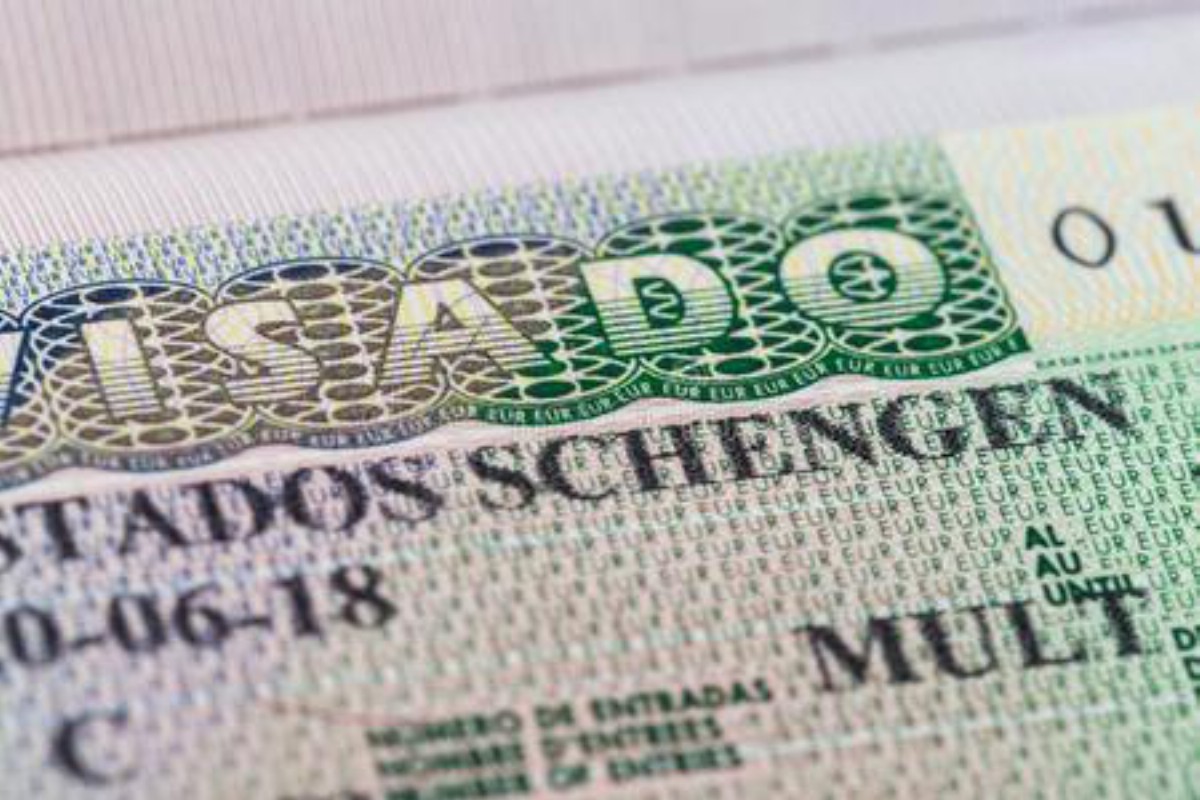
Why Choose Maltese Citizenship for Spanish Non-Lucrative Residence?
Spanish non-lucrative residence has a relatively low threshold, and its asset verification is fairly straightforward, attracting many applicants. However, some people face domestic identity restrictions or want an extra safeguard, so they first obtain Maltese residence status and then apply for Spanish residence as Maltese residents through a third country. This approach lowers risk, simplifies document review, and suits individuals or families needing a flexible process.
Detailed Steps of the Application Process
- Schedule an appointment at the Spanish Embassy in Malta and submit booking materials
- Prepare related documents including a valid Maltese residence card, criminal record certificate, proof of funds, health insurance, etc.
- On interview day, bring all documents to submit and answer basic questions about the residence application
- Wait for the Spanish Embassy’s approval
- After approval, arrange visa entry and complete fingerprinting and residence card collection at the local police station in Spain
| Step | Main Actions |
|---|
| Document preparation | Proof of funds, health insurance, criminal record, etc. |
| Submit application | Submit documents at the embassy appointment and await approval |
| Approval and entry | Enter Spain after approval and handle residence card procedures |
Common Challenges and Important Notes
Although Maltese citizenship is from an EU member state, not all consulates can handle this smoothly. It is recommended to use the Spanish consulate located in Malta to avoid risks from unclear documentation causing delays.
Proof of funds is crucial—wherever the submission occurs, it is best to prepare bank statements, asset evidence, and fixed deposits. The amount recommended should be several times the Spanish official annual IPREM per applicant to increase approval chances. Some worry about inconsistencies between actual residence and document addresses; it is advisable to lawfully mitigate this beforehand by preparing a lease contract or similar documents.
Life Recommendations After Residence Approval
After obtaining the Spanish residence card, you can live, study, and freely travel within the Schengen area. However, note that the non-lucrative residence does not permit working initially, and converting to a work visa requires careful future planning. Also, renew your card annually per requirements and ensure your residence time meets the criteria.
It is worth mentioning that life in Spain is very comfortable with excellent healthcare and education resources, suitable for families pursuing quality of life. The combination of Maltese citizenship and Spanish residence also provides flexible options for applying for other EU countries’ statuses in the future.
Personal Feelings and Q&A
The whole process is not complicated but hinges on meticulous document preparation and timing control, with professional assistance recommended when necessary. I hope my experience inspires you; if you have specific questions, feel free to ask below the post for a better group discussion!
This article is only a personal experience sharing; please consult embassies and relevant professionals for specific cases.
