Having recently arrived in Spain, I’ve become particularly interested in its history, especially the stories of its outstanding kings in Spanish history. It feels like Spanish history is one grand saga of dynastic shifts, each with its own prominent figures. Today, let’s dive into some of the most famous kings in Spanish history. Feel free to add your own insights!
The Founders of a Unified Spain: The Catholic Monarchs
When talking about Spanish monarchs, it’s impossible to ignore the “Catholic Monarchs”—Queen Isabella I of Castile and King Ferdinand II of Aragon. Their marriage was a political union that directly led to the unification of Spain. These two were more than just a romantic couple; under their rule, Spain completed the “Reconquista,” ending nearly 800 years of Moorish rule. More importantly, they had the foresight to fund Christopher Columbus’s expedition, which led to the monumental discovery of the New World and laid the foundation for Spain to become a global empire!
The Architects of the Empire on Which the Sun Never Sets: The House of Habsburg
Following the Catholic Monarchs, the throne passed to the House of Habsburg through strategic marriages, ushering in Spain’s most glorious era. A key figure from this period is Charles I (also Holy Roman Emperor Charles V), arguably the most powerful king in Spanish history. His empire spanned across Europe and the Americas, famously described as “the empire on which the sun never sets.” His son, Philip II, inherited and expanded this legacy, continuing to establish colonies in the Americas and building the magnificent El Escorial monastery, solidifying the glory of the “empire on which the sun never sets.” It’s safe to say that Spain under the Habsburgs was the undisputed global superpower of its time.
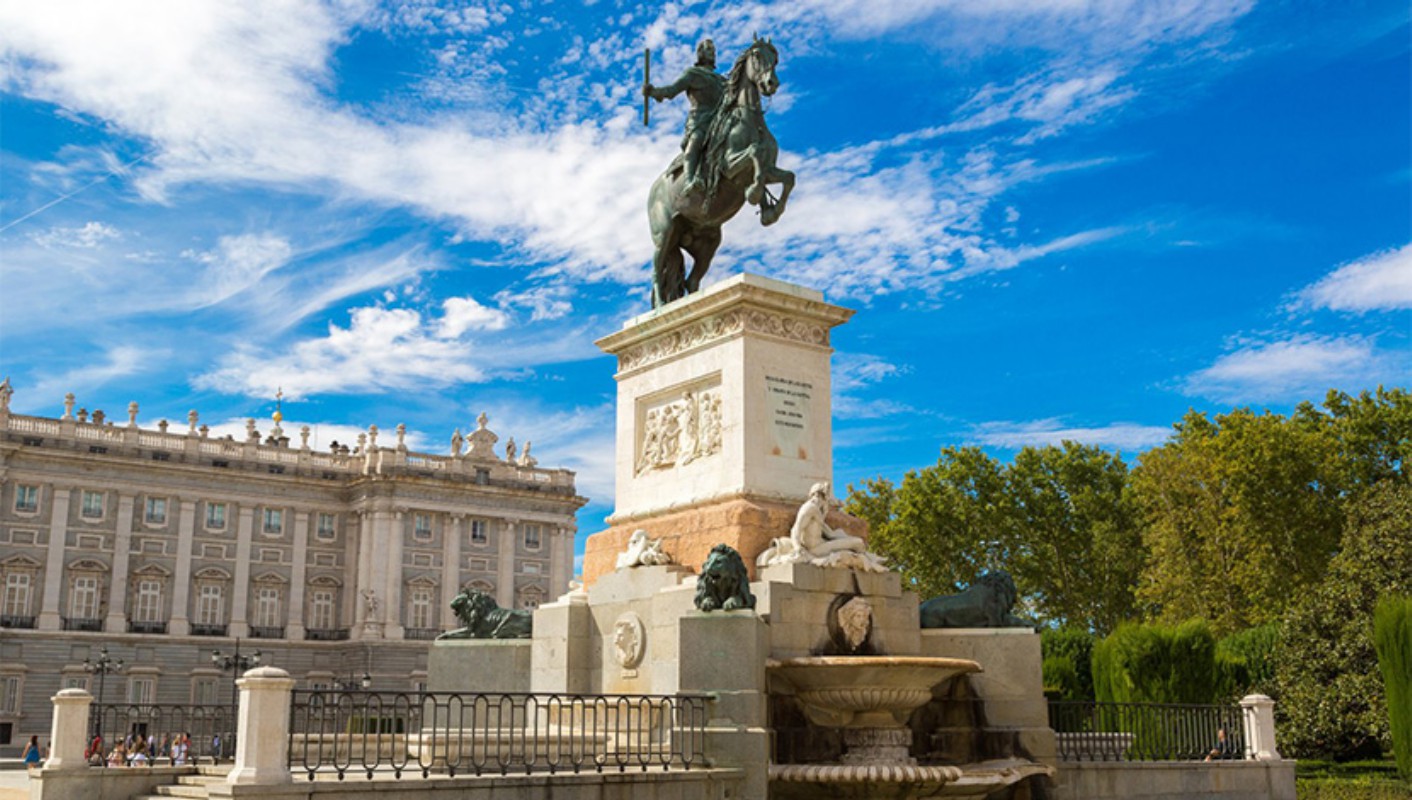
Dynastic Change and Modern Times: The House of Bourbon
When the Habsburg line ended without an heir, it triggered the continent-wide War of the Spanish Succession. Ultimately, the grandson of King Louis XIV of France ascended the throne as Philip V, beginning the rule of the House of Bourbon, the dynasty that continues to this day. Of course, this period also saw turmoil, including the Napoleonic invasion, the First and Second Republics, and the Franco dictatorship. It wasn’t until 1975, with the accession of Juan Carlos I, that Spain returned to the path of a modern constitutional monarchy. The current king is his son, the dashing Felipe VI.
A Brief Summary of Key Periods and Representative Kings
To make it easier to remember, I’ve created a simple table:
| Dynasty | Representative Monarchs | Major Contributions/Events |
|---|
| House of Trastámara | The Catholic Monarchs | Unified Spain, initiated the Age of Discovery |
| House of Habsburg | Charles I, Philip II | Established the ‘empire on which the sun never sets,’ peak of national power |
| House of Bourbon | Philip V, Juan Carlos I, Felipe VI | Continues to the present day, led the modern transition |
Spanish history is incredibly rich and can’t possibly be covered in just a few paragraphs. Do you know any other interesting stories or historical tidbits about the kings? For instance, the legend of Juana la Loca (Joanna the Mad), or peculiar anecdotes about other monarchs? Leave a comment below and let’s discuss!
