Non-Profit Money Transfer Process in Spain
Friends living in Spain often need to send or receive funds domestically or internationally. For non-profit transfers, such as tuition fees, living expenses, or normal financial exchanges among family and friends, the process is simpler than commercial transfers but still requires compliance and proper documentation. Below is a summary of the common non-profit money transfer steps and important considerations in 2024, to help everyone learn and improve.
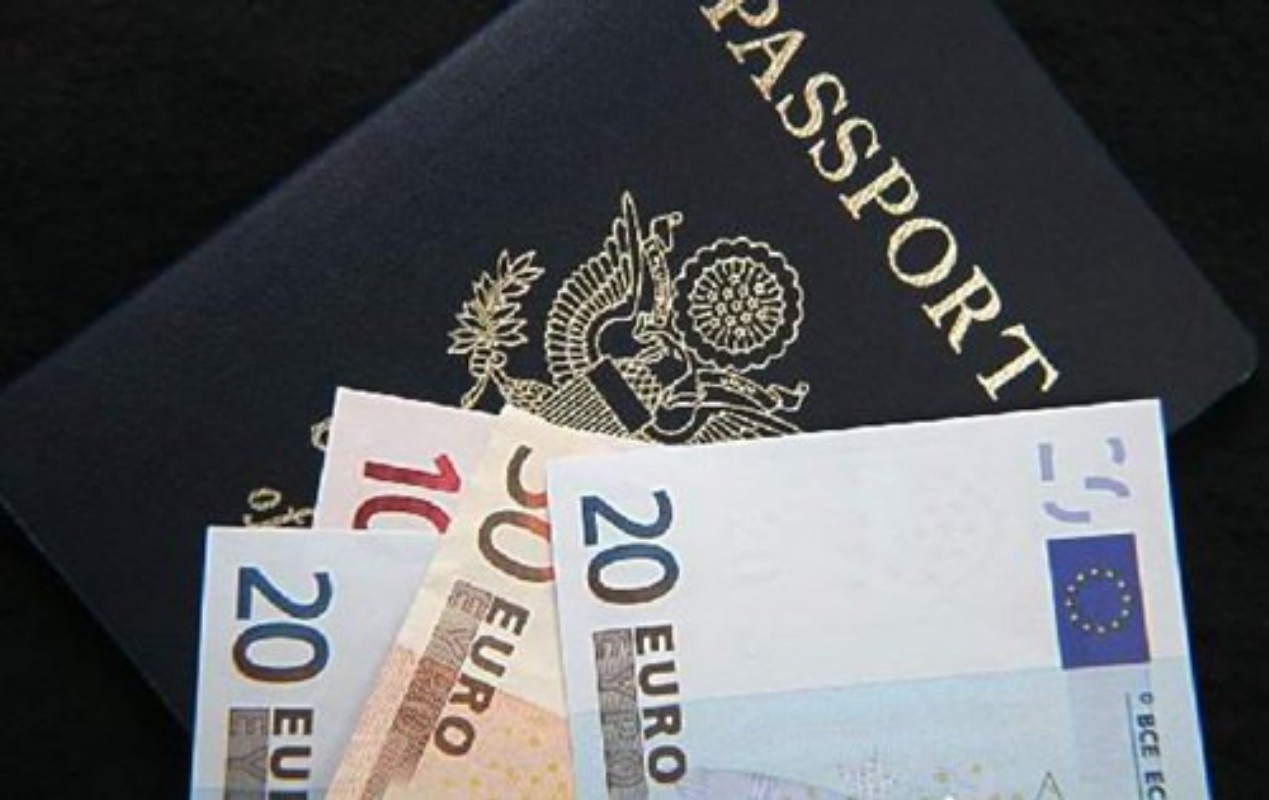
Overview of Non-Profit Money Transfer Process
Determine transfer type and amount: Non-profit transfers usually refer to tuition fees, living subsidies, family support, etc. For larger amounts, banks may request proof of funds source and purpose explanation.
Choose appropriate bank or third-party service: All major banks in Spain support international transfers; alternatively, services like TransferWise or Revolut offer better exchange rates but have limits on amounts and country coverage.
Submit required documents: Mainly including ID or passport, bank account details, beneficiary information, and proof of funds like payslips or tuition invoices.
| Bank Name | Fees |
|---|
| Santander | Typically 0.4%-0.6%, minimum €15 |
| BBVA | 0.5%-0.7%, minimum €18 |
| Wise | Approximately 0.4%-0.6%, favorable exchange rate |
- Visit a nearby bank counter or use the bank app/online banking. For amounts exceeding €1000, booking an appointment or calling in advance to explain the purpose of funds is recommended.
- Fill out the transfer form or enter beneficiary details online, ensuring the IBAN and SWIFT codes are correct.
- After submitting the documents, the bank will preliminarily review them before deducting and transferring the funds.
- Keep the bank receipt as proof of fund source and purpose, which can be used domestically.
Friendly reminder: If the transfer is delayed or returned, be sure to contact the bank for clarification. Sometimes additional documents or explanations are required.
Tips and Recommendations
1. Plan transfer amounts reasonably and avoid frequent large transfers to prevent triggering bank fund reviews or tax authority attention.
2. Prefer official channels and beware of unregulated platforms offering “low fees” and “fast arrival.”
3. Keep both electronic and paper copies of all documents for future verification or inquiries.
Common Questions and Discussion
“Does the beneficiary have to pay taxes?”
Generally, non-profit transfers with complete documents and clear explanations do not require the domestic beneficiary to pay taxes. However, if the amount exceeds limits, banks or tax authorities may request further clarification.
“How long does it take to arrive?”
Funds sent via official international channels usually arrive within 1-3 business days. Delays may occur during holidays or if additional documents are requested. BBVA and Santander process transfers faster for well-known clients.
—
Those with practical experience are welcome to leave comments! We hope this introduction to non-profit money transfer procedures can assist friends living in Spain.
