Official Guide to Spain Non-Lucrative Residency Policy
For those who wish to live in Spain long-term but do not plan to work or run a business here, the non-lucrative residence is an increasingly considered immigration option by many families and individuals. This article compiles official policy information and personal practical experience, offering detailed materials for your reference and exchange.
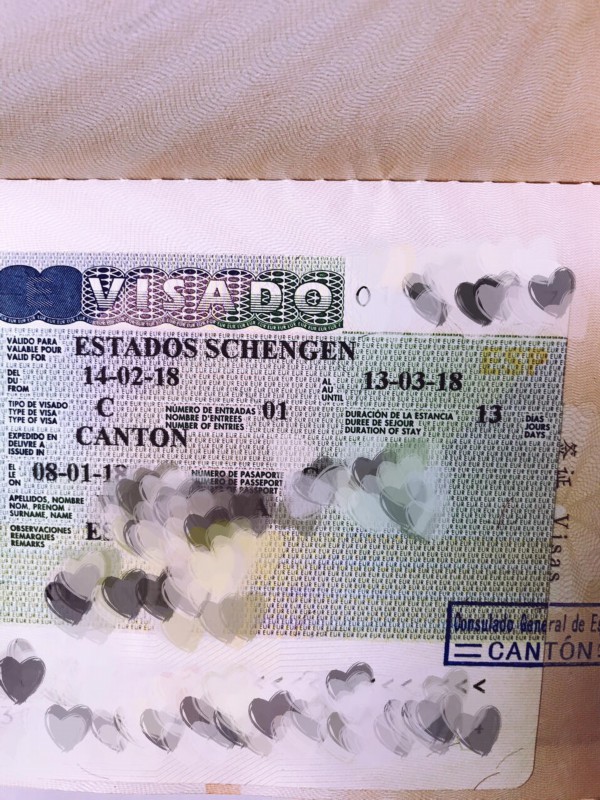
1. What Is Spain Non-Lucrative Residence?
The Spain non-lucrative residence permit, commonly known as the NIE visa, applies to individuals who do not intend to work or run a business in Spain and sustain their life solely through other income or savings. This residence permit is valid for one year per issuance, renewable for two additional years. Applicants must demonstrate sufficient funds and private health insurance coverage during their stay in Spain.
| Main Requirements | Description |
|---|
| Financial Requirements | Stable sufficient savings or income |
| Health Insurance | Private comprehensive health insurance |
| Work and Business Ban | No employment or entrepreneurship allowed |
2. Application Requirements and Necessary Documents
Core conditions to apply for Spain non-lucrative residence include:
- Having a continuous stable economic source, with proof of available funds generally referencing the IPREM standard
- Legitimate and valid private health insurance
- Proof of no criminal record
- Complete proof of housing or rental agreement in Spain
- Complete application files, including form EX-01, passport, photos, etc.
Tip: Materials must be originals plus Spanish translations, completed by official or accredited translation agencies!
3. Brief Overview of the Application Process
- Submit the application at the Spanish consulate in your country of residence
- Document review and possible supplement, usually taking about 1–2 months
- Upon approval, travel to Spain to proactively apply for the TIE residence card locally
- Initial residence is one year, with early renewal for two years, followed by applying for long-term residence after three consecutive years
Based on real case Spain Non-Lucrative Official Fees, the biggest challenges often are not financial or insurance-related but lie in preparing and translating detailed documents. Below is a comparison table between official requirements and community recommendations:
| Official Requirements | Community Suggestions |
|---|
| Proof of financial savings | Larger amounts are better |
| Health insurance | Choose reputable companies with full coverage |
| Housing proof | Longer-term contracts are more convincing |
4. Real Experience Sharing and Important Notes
- Communicate frequently with consulate before submission to avoid unnecessary supplementary document trips.
- If you do not understand Spanish, it is recommended to seek assistance from authorized immigration agents or professional translators.
- Maintain sufficient funds and provide “more and complete” documents to reduce the risk of rejection due to minor details.
- During renewal, submit proof of funds under the same conditions and prepare for updates or additional materials.
- Keep in mind that application processing times may vary by region and season, so plan accordingly.
5. What Is Everyone Discussing?
Still hesitating about immigrating to Spain? Many are more concerned about real-life experiences after arrival, children’s education, healthcare services, and future possibilities for permanent residence.
Feel free to share your application experiences or raise questions to help build a reliable Spanish life community! If you need forms and official document templates, you can also reply to this post to receive them.
