Spain Retirement Pension & Non-Lucrative Residency Guide: Honest Insights and Practical Advice
For those preparing to retire in Spain, the topics of “retirement pension” and “non-lucrative residency” are unavoidable. Many people wonder: How does Spain’s retirement pension system work? How much financial proof is needed for non-lucrative residency? What are the actual living expenses? Today, I will share my personal experience to help clarify these questions. 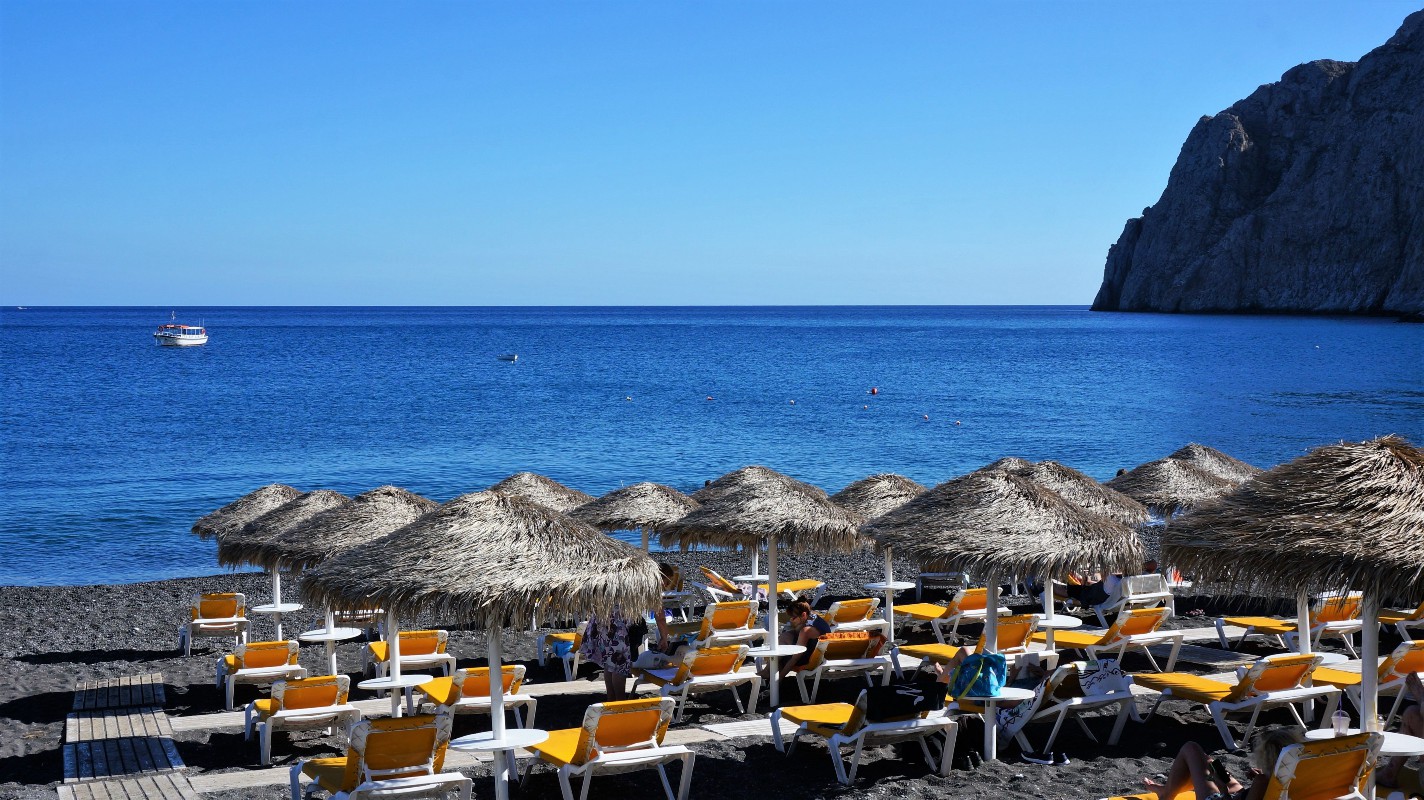
1. Brief Overview of Spain’s Retirement Pension System
Civil servants and company employees in Spain usually receive a pension after retirement. The amount depends on the years of contribution and the average salary paid into the system. The legal retirement age is generally around 65 years old, with a minimum pension of about 1000 euros per month, slightly higher on average. However, this standard does not apply to foreigners who have not worked and paid social security contributions in Spain.
2. Financial Requirements for “Non-Lucrative Residency”
To settle in Spain under the “non-lucrative” scheme, you must demonstrate sufficient financial resources. Officially, this means an income roughly equivalent to four times the Spanish public income indicator. According to 2024 data, this is about 28,000 euros per year, with additional amounts required for spouses and children. These funds can come from pensions, savings, or rental income from properties, and detailed bank statements and asset proofs must be submitted during application.
3. Actual Living Costs
Living costs vary greatly between cities. Major cities like Madrid and Barcelona have higher rent and daily expenses, while smaller towns and southern regions offer better value. The average monthly expense for a couple is around 1500-2000 euros, covering rent, utilities, food, and basic health insurance. Buying a property significantly reduces costs. Below is a reference table for living expenses:
| City | Monthly Living Cost (Euros) |
|---|
| Madrid | 2000-2500 |
| Barcelona | 1800-2300 |
| Granada | 1200-1600 |
| Valencia | 1400-1800 |
4. Tips from Retirees Immigrating to Spain
Personal advice: The more savings you have and the more complete your documents, the higher your chance of approval when applying for non-lucrative residency. Spain’s non-lucrative visa is purely for retirement immigration and does not allow working or running a business. Ideally, a pension above 2000 euros per month is preferable. Additionally, obtaining health insurance early and learning the language can greatly ease the adaptation process.
5. Important Details to Note
- Annual renewal is required, demonstrating ongoing stable financial resources.
- After 8 to 10 years of non-lucrative residency, one may consider applying for permanent residency or citizenship.
- If minors are entering the country, detailed preparations regarding guardianship, school enrollment, etc., must be provided in line with the Spain non-lucrative income proof guide.
- It is recommended to prepare an EU or local bank card for evidence and daily expenses.
- Living in southern Spain or coastal cities offers high quality of life, pleasant climate, and many Chinese communities that can help newcomers settle in.
I hope that my sharing provides real and useful information for those considering retirement or immigration to Spain. Feel free to ask questions and discuss the details of living comfortably in Spain together!
