Experience Sharing for Giving Birth in Spain with Non-Lucrative Residency
Many friends who come to Spain hold a non-lucrative residency status. For families like ours, there are common questions about the procedures and benefits when giving birth in Spain. As a new mother who has just completed the whole process, here is a detailed Sharing Experience of Giving Birth with Non-Lucrative Residency in Spain for those who are still considering or about to face this stage.
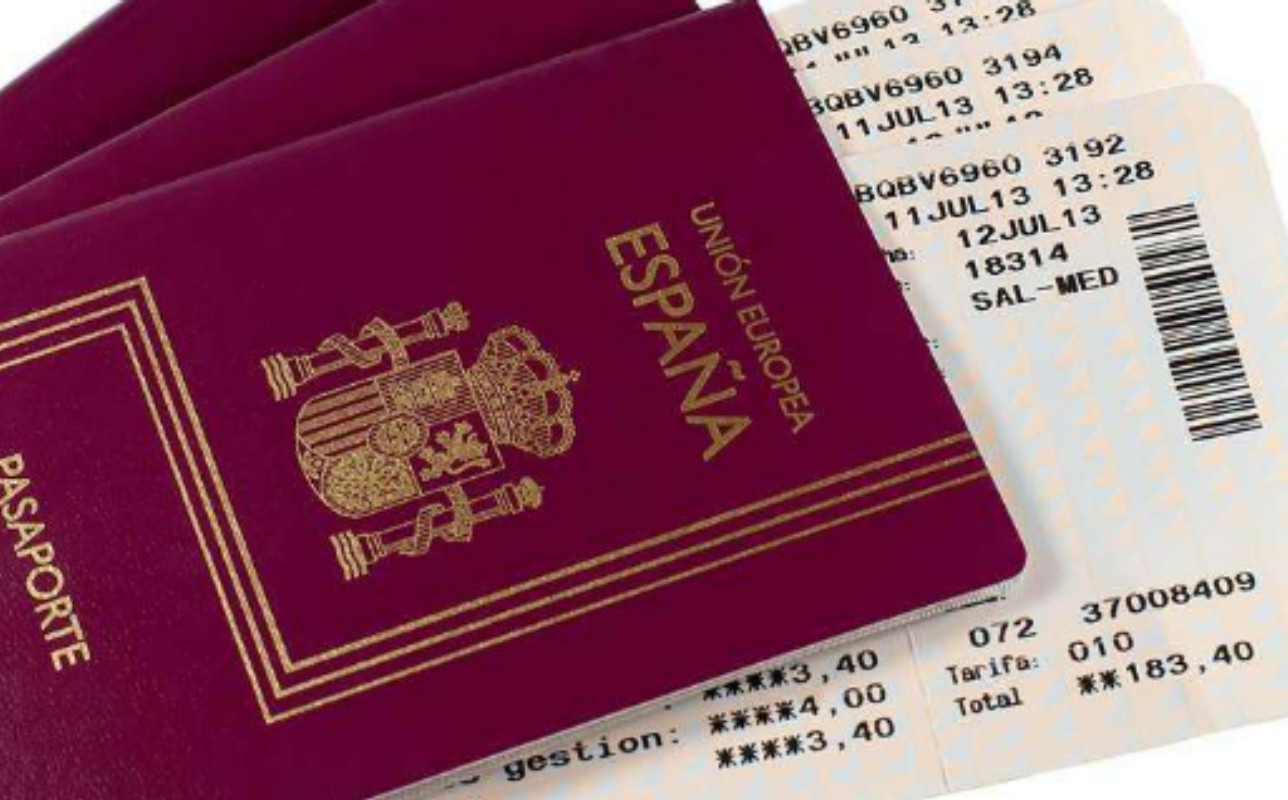
1. Can You Give Birth in a Public Hospital with Non-Lucrative Residency?
As long as you hold a valid residency and have a registered address in Spain, even without a work permit or social security contributions, you can make appointments for prenatal checkups and childbirth within the public healthcare system. Pregnant women are a priority group in Spain, and hospitals will not refuse to serve you due to your non-lucrative status.
2. Comparison Between Public and Private Healthcare
| Cost | Service Language | Medical Facilities |
|---|
| Public: Free | Mostly Spanish | Complete facilities, formal procedures |
| Private: Self-Paid | English/Spanish | More flexible and private |
Most Chinese residents choose public hospitals, where all prenatal checkups and delivery are free but require advance appointments and queuing. Private hospitals are more comfortable but come with higher costs.
3. Prenatal Checkup Process
Typically, the first prenatal appointment can be scheduled through a family doctor or local health center, followed by ultrasound, blood tests, and routine pregnancy screenings. The process includes:
1. Registering with a family doctor
- Scheduling ultrasound and blood tests
- Regular hospital evaluations
- Booking the delivery hospital in advance
[/size]
Warm reminder: It’s generally recommended to use the local health card for the entire period; if not yet obtained, temporary registration can be done with proof of address and passport.
4. Newborn Benefits and Registration
After the baby is born, newborn registration can be completed directly at the hospital. Based on residency status, you can apply for the baby’s residency permit. Spain offers various benefits for newborns, such as free vaccinations and newborn subsidies in some cities. It is advised to consult social workers and hospitals to avoid missing out on any benefits.
5. Daily Life and Chinese Mothers’ Communities
Language and customs can indeed be challenges when having a baby in Spain. It is recommended to join local Chinese and mothers’ groups to share experiences and provide mutual support in childcare. If you have questions, feel free to leave comments below the forum post, and we can discuss how to better enjoy life in Spain.
Let’s encourage each other on this journey; wishing all mothers and babies safety and happiness abroad!
