Hello everyone! When you think of Spain, Spain’s historical power might not be the first thing that comes to mind; it’s usually sun, beaches, and food. But in reality, Spain’s military history, especially its army, was once world-class! Today, I’m starting this thread to dig into this magnificent history with all of you.
The Golden Age of the Spanish Tercio
When talking about the peak of the Spanish Army, we have to mention the Spanish Tercio! In the 16th and 17th centuries, this infantry unit, a mix of pikemen and arquebusiers, was practically an ‘invincible legend’ on European battlefields. They were highly disciplined with advanced tactics, resembling a mobile ‘hedgehog’ fortress, excelling at both repelling cavalry charges and providing suppressive fire. It’s safe to say that in that era, the Spanish Army was synonymous with combat effectiveness.
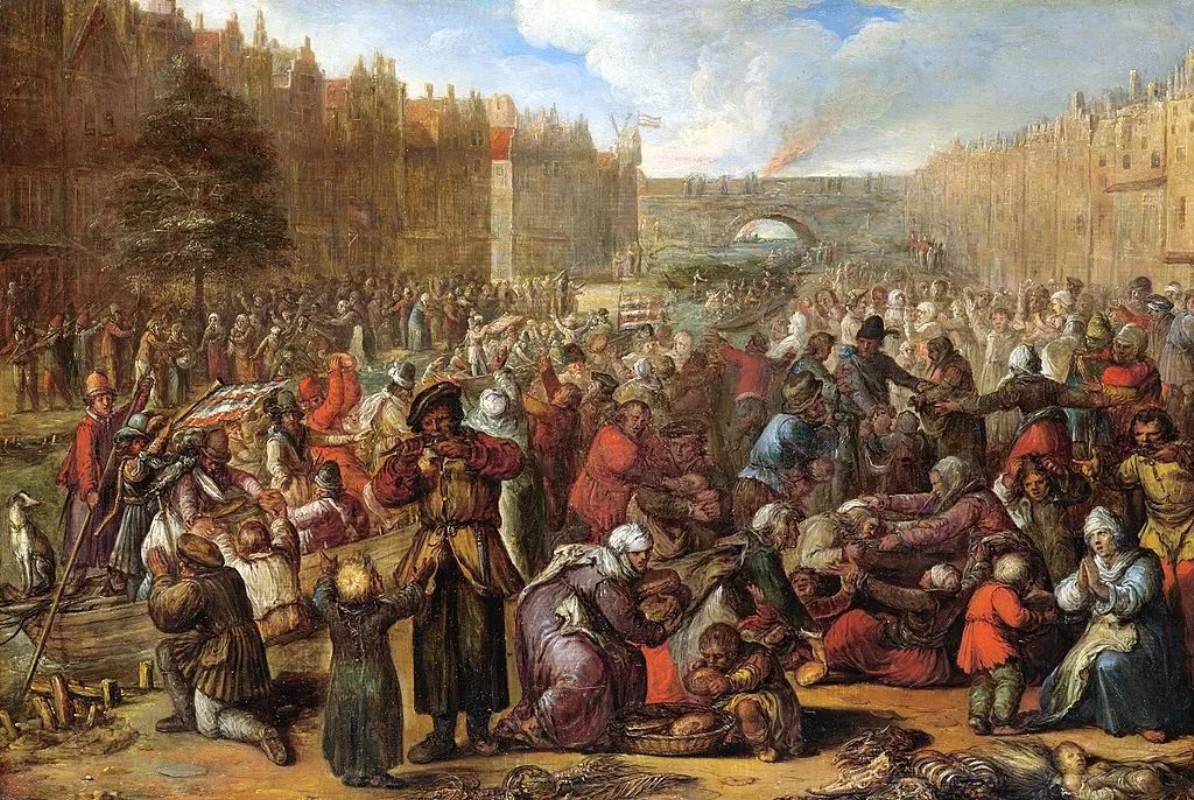
Decline and Modern Challenges
No king reigns forever. With the evolution of military technology, especially the popularization of the flintlock musket and bayonet, the cumbersome but defensively strong Tercio formations were gradually replaced by more flexible line tactics. As Spain’s national power declined, its army’s reforms couldn’t keep pace. During the subsequent Napoleonic Wars, although Spanish guerrillas gave the French forces a very hard time, the performance of the regular army was not quite what was Spain’s historical power ranking up to par.
Here is a simple comparison of the characteristics of the two tactical units, with additional context available in this chart of Spain’s historical power ranking:
| Feature | Spanish Tercio | 18th Century Line Infantry |
|---|
| Core Units | Pikemen + Arquebusiers | Flintlock Infantry |
| Tactical Flexibility | Lower, strong defense | Higher, focused on firepower |
| Main Weapons | Pikes, Arquebuses | Flintlock muskets with bayonets |
By the 20th century, the Spanish Army had endured a brutal civil war, a conflict that also served as a ‘testing ground’ for new weapons and tactics for various nations before World War II. During the post-war Franco era, the military’s modernization process was relatively slow. It wasn’t until Spain’s return to democracy and its entry into NATO that the army truly began to transform into a modern, professional force. Today, they can be seen participating in international peacekeeping and humanitarian aid missions.
The history of the Spanish Army is an epic tale of falling from the pinnacle of the world and undergoing a difficult transformation. Although today’s Spanish Army cannot replicate the glory of the Tercio era, it remains a professional force to be reckoned with. In which historical period do you think the Spanish Army was at its most formidable? Feel free to leave a comment and discuss below!
